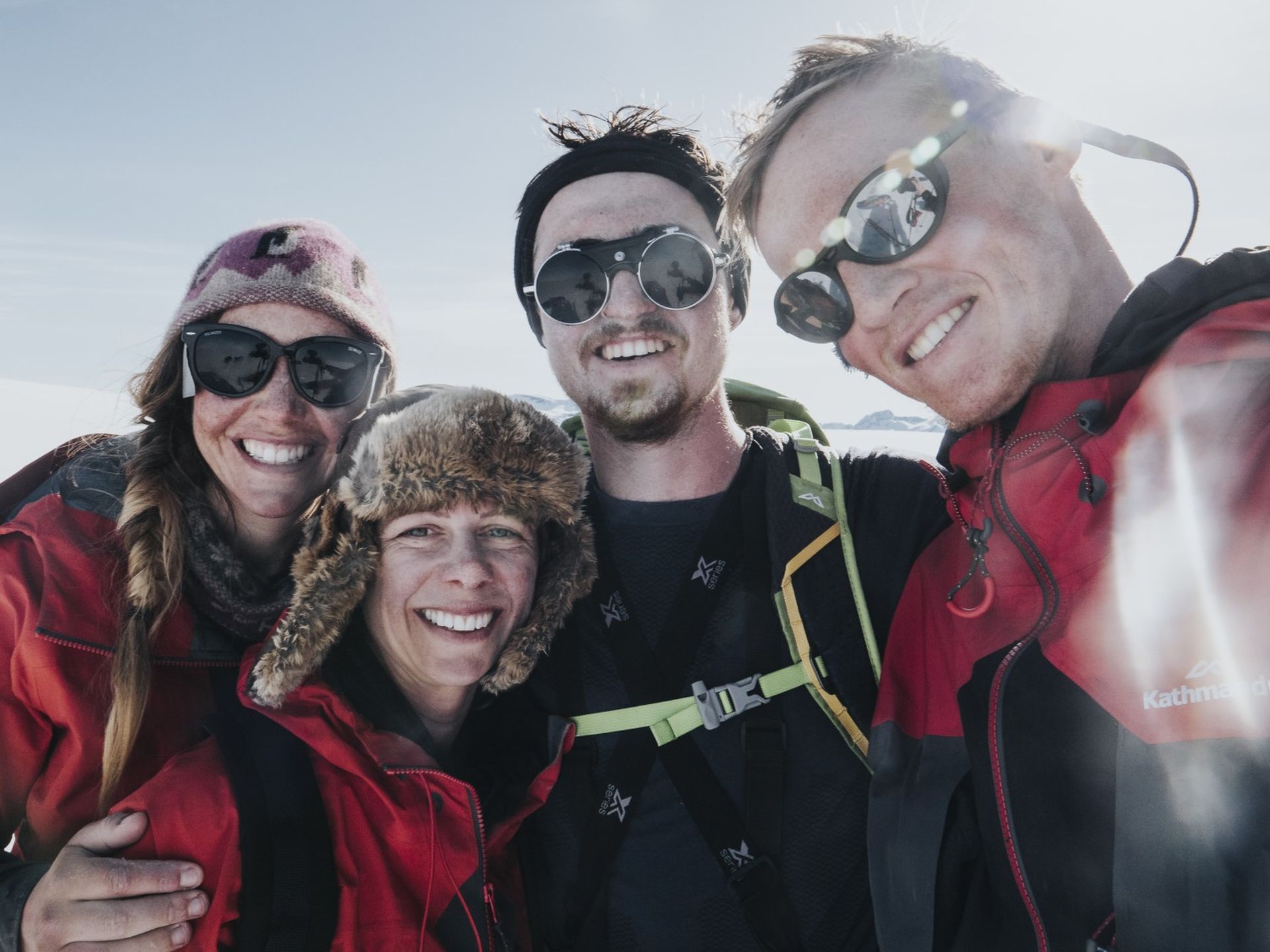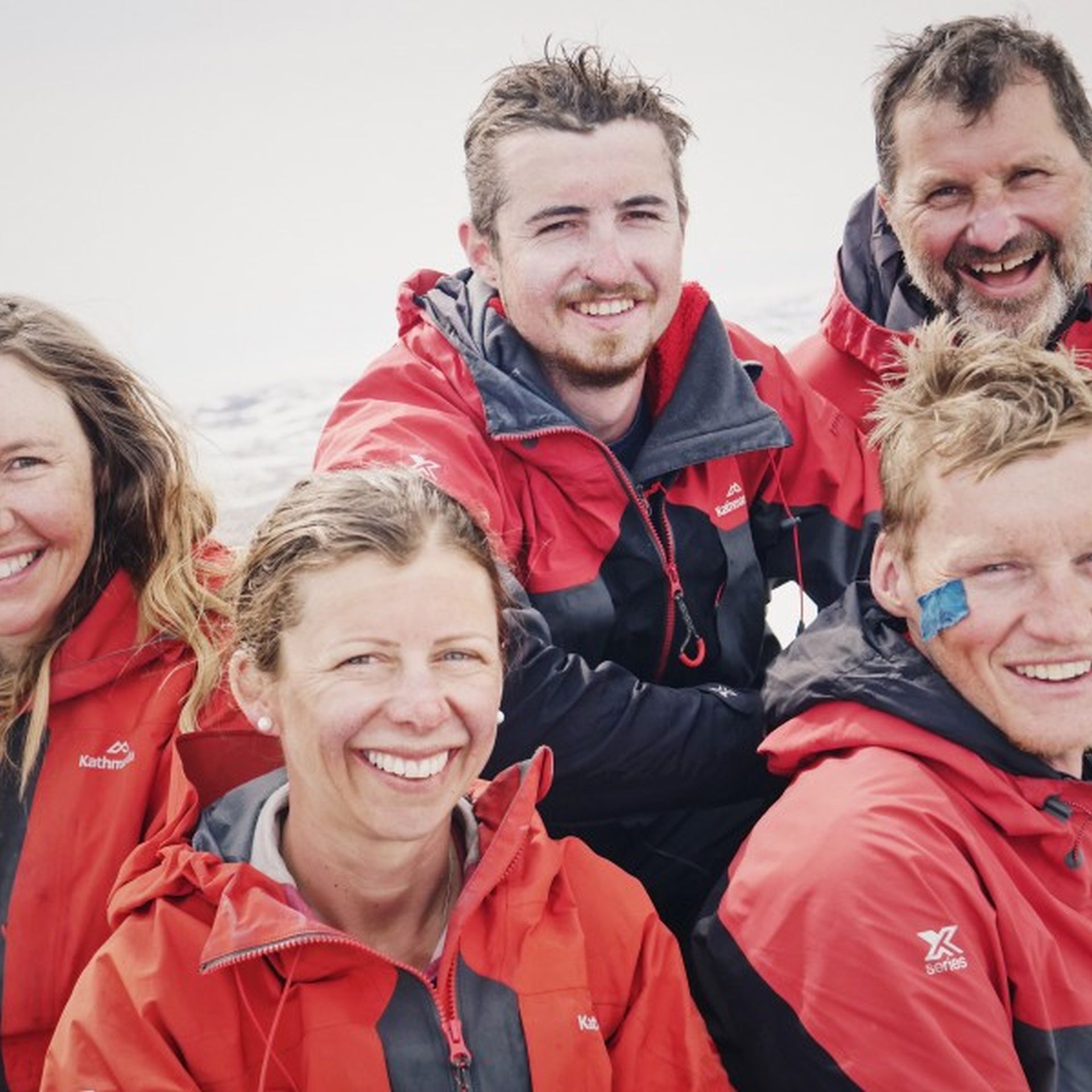
https://nzaht.org/wp-content/uploads/2018/04/crew-from-the-xue-lo5ab95af21194b5.24070945-1500x.jpg8141500Commshttps://nzaht.org/wp-content/uploads/2019/03/logo-dark.pngComms2018-04-04 01:30:172019-06-12 00:36:06The Explorer April 2018
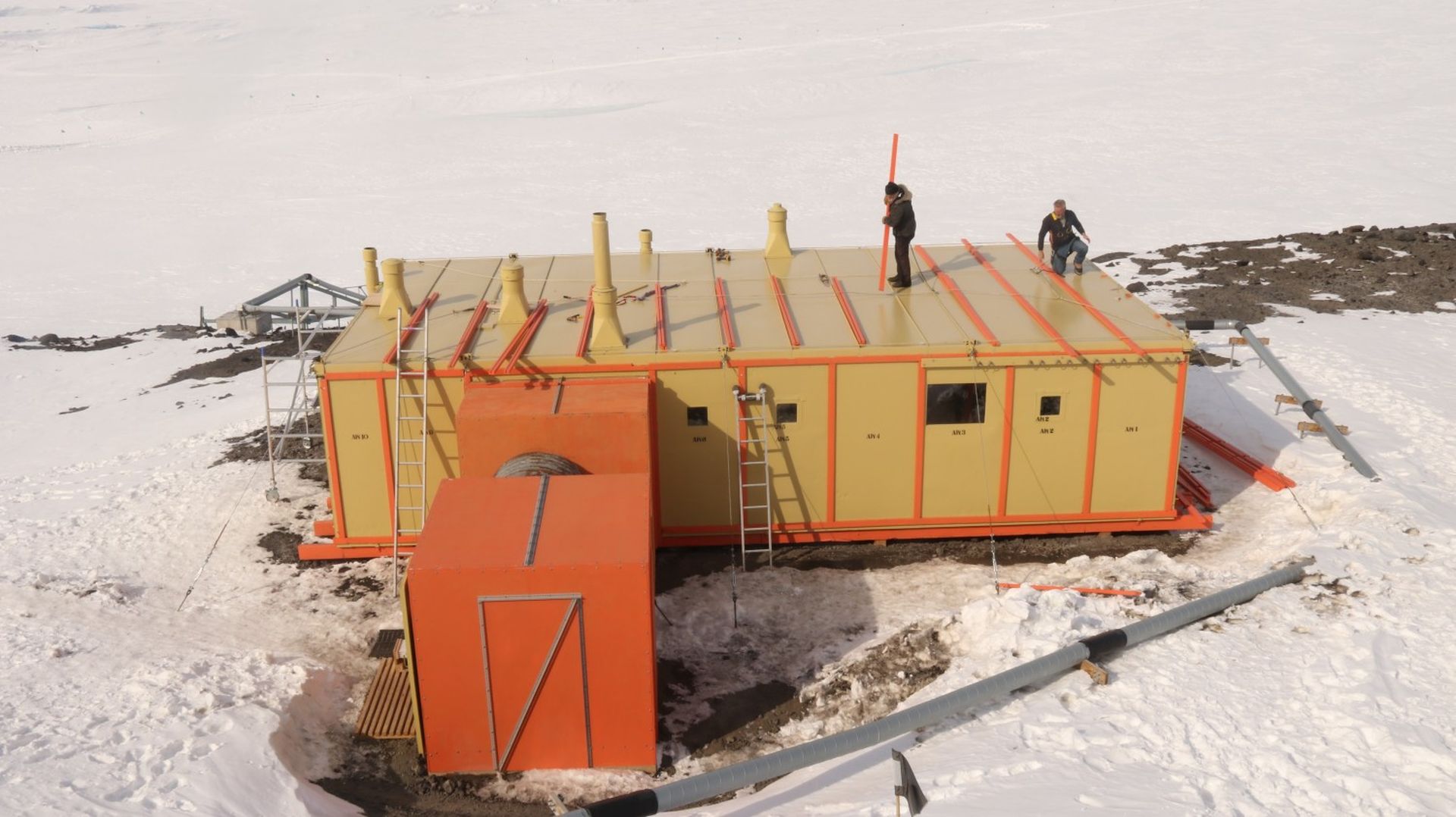
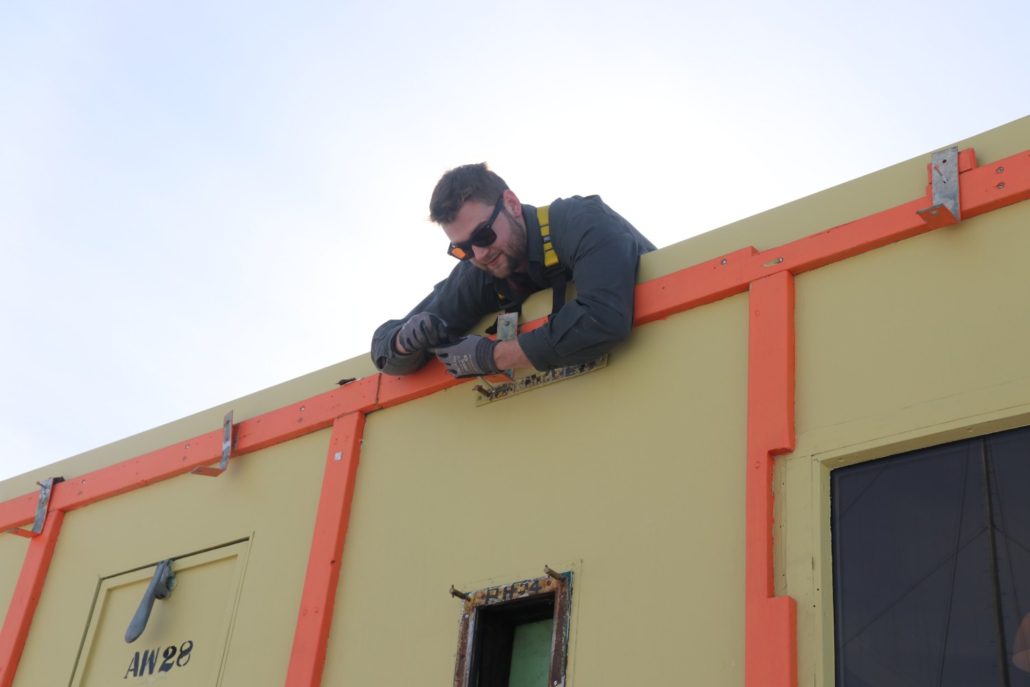
Antarctic Heritage Trust has finished the last major job of saving Sir Edmund Hillaryâs hut at Scott Base â installing a new roof.
The Trust raised nearly a million dollars to save the hut, also known as the TAE/IGY Hut, which was built by a team under Sir Edâs leadership in 1957 just before his famous dash to the South Pole.
While working to conserve Hillaryâs (TAE) Hut in 2016, the need for a weather-tight long-term roofing solution was identified.
Programme Manager Al Fastier says the Trust wanted the roofing solution to last a minimum of 35 years but more likely 50 to 100 years. A plan was then developed to overclad the historic roof, meaning the original roof remained intact.
A key feature of the newly restored hut is the painted aluminium roof, complete with new battens painted in the original bright orange.
âIt gives it a real point of difference,â says Fastier, a long time visitor to the ice.
Antarctic Heritage Trust
Assembling the battens for the roof
For specialist Standing Seam roofer, Mike Burgess, the conditions provided a job unlike anything he had ever tackled.
âIâve never been that cold,â says Burgess, who had to race indoors on the odd occasion to regain feeling in his hands.
The project manager for Architectural Metalformers is used to working through complicated roofing projects in rural, commercial and urban environments – less so in the worldâs harshest environment.
âThe opportunity to waterproof such an important New Zealand building with our product, while endeavouring to make it visually similar to the original aesthetic could not be passed up, regardless of the weather complexities,â Burgess says.
Not one to opt out of a challenge, Burgess combined his more than 20 years in the business, with further research, to come up with the robust long term waterproof roofing solution.
The Trust acknowledges, Architectural Metalformers, Pacific Coilcoaters, Sika NZ, Nexus Foams and Dulux New Zealand for their donated products and technical assistance.
Antarctic Heritage Trust
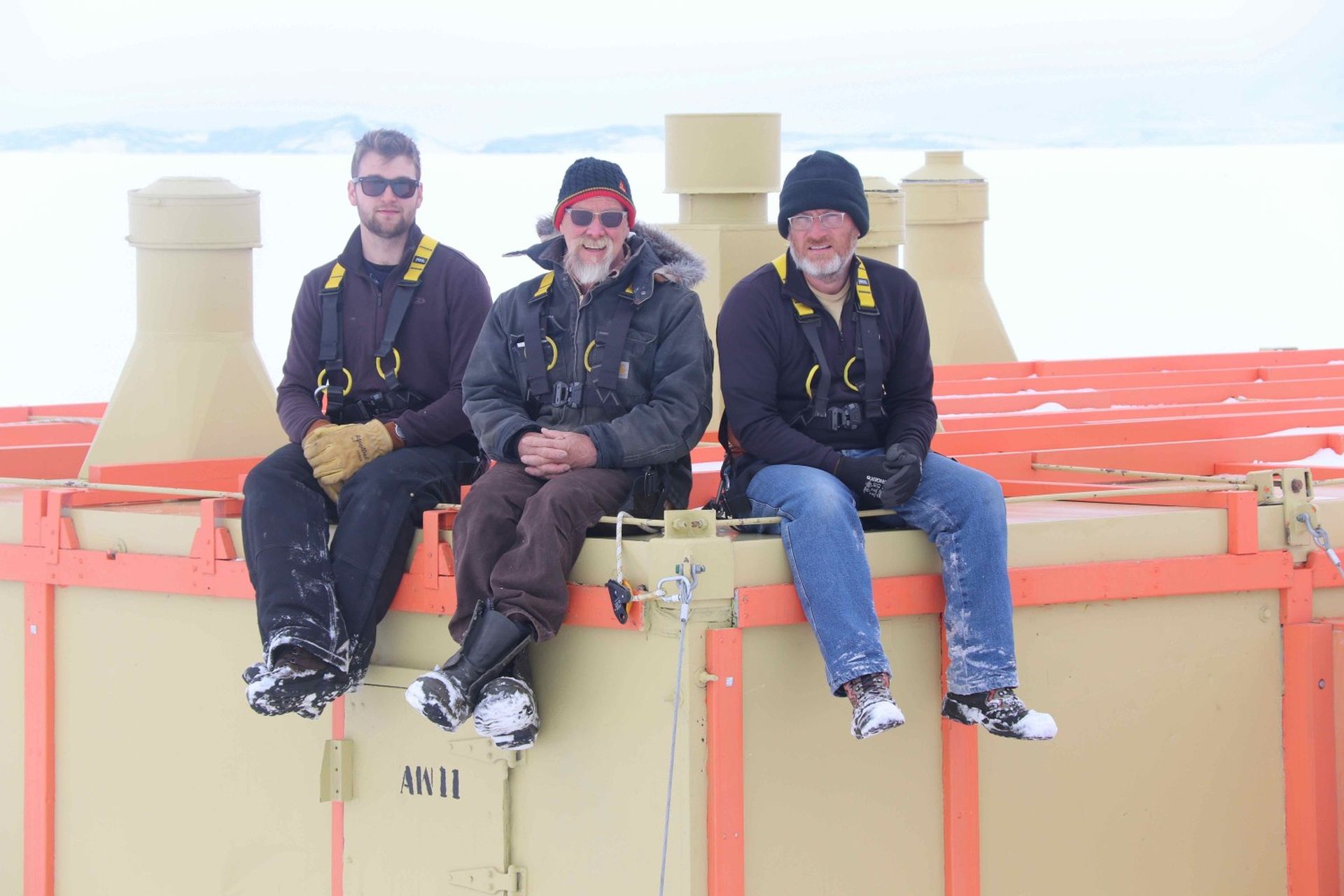
Chris Ansin, Al Fastier and Geoff Cooper taking a break on the roof of the hut.
Antarctic Heritage Trust
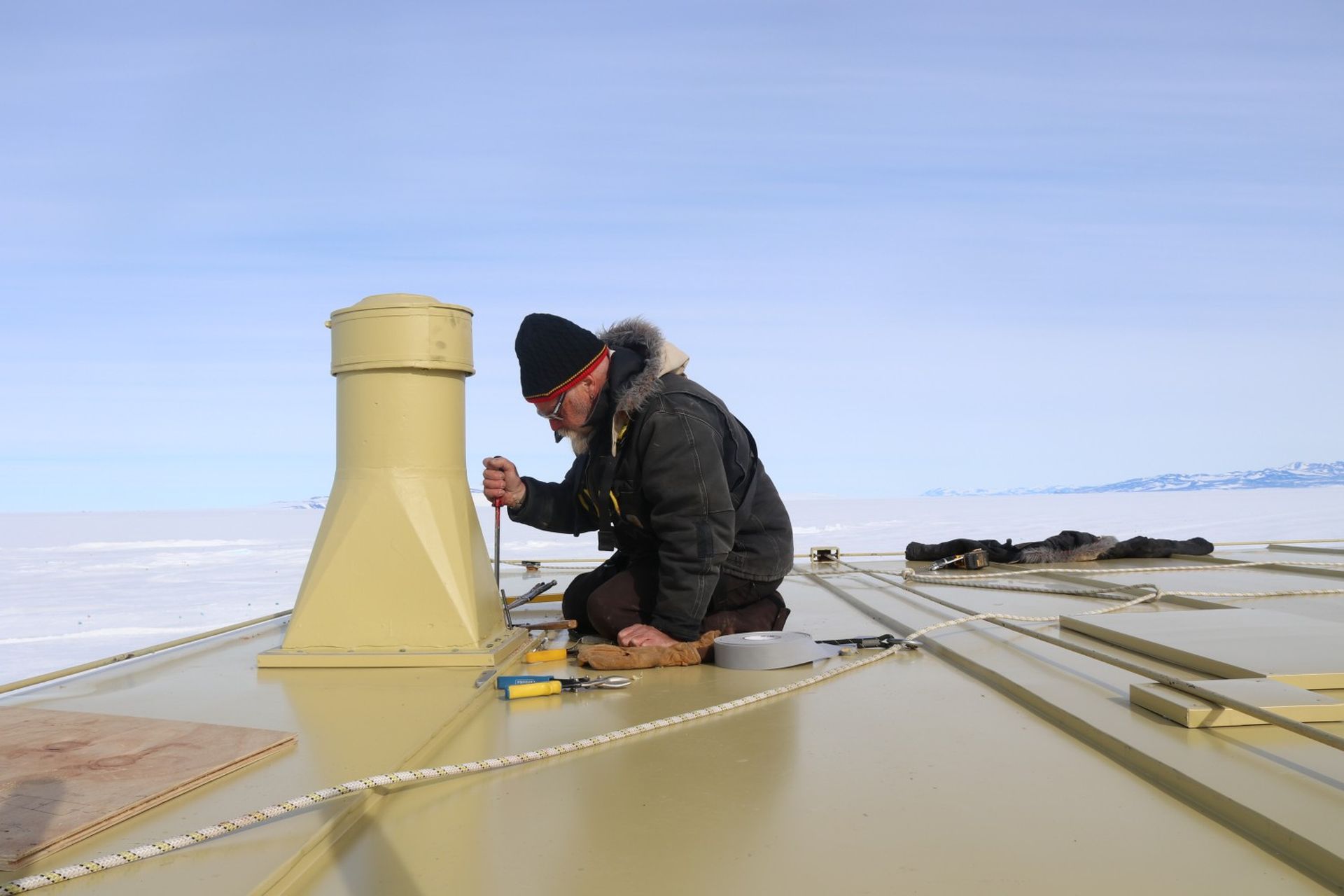
Antarctic Programme Manager Al Fastier working on the roof
https://nzaht.org/wp-content/uploads/2019/03/team-in-front-of-cab5ab95759486609.15283195-600x600-1.jpg600600Commshttps://nzaht.org/wp-content/uploads/2019/03/logo-dark.pngComms2018-03-27 01:33:232026-02-02 15:52:13Raising the Roof
A chance chat at a workshop between Trust Programme Manager Al Fastier and Queenstown adventurer Erik Bradshaw established a mutual interest in water tank huts.
Al was in the process of designing a remote field camp and Erik had built a prototype tank hut as an emergency backcountry ski hut.
Erik Bradshaw
Turk
From there, a desire was born to work together to design a âtank hutâ that would be suitable for the extreme Antarctic environment.
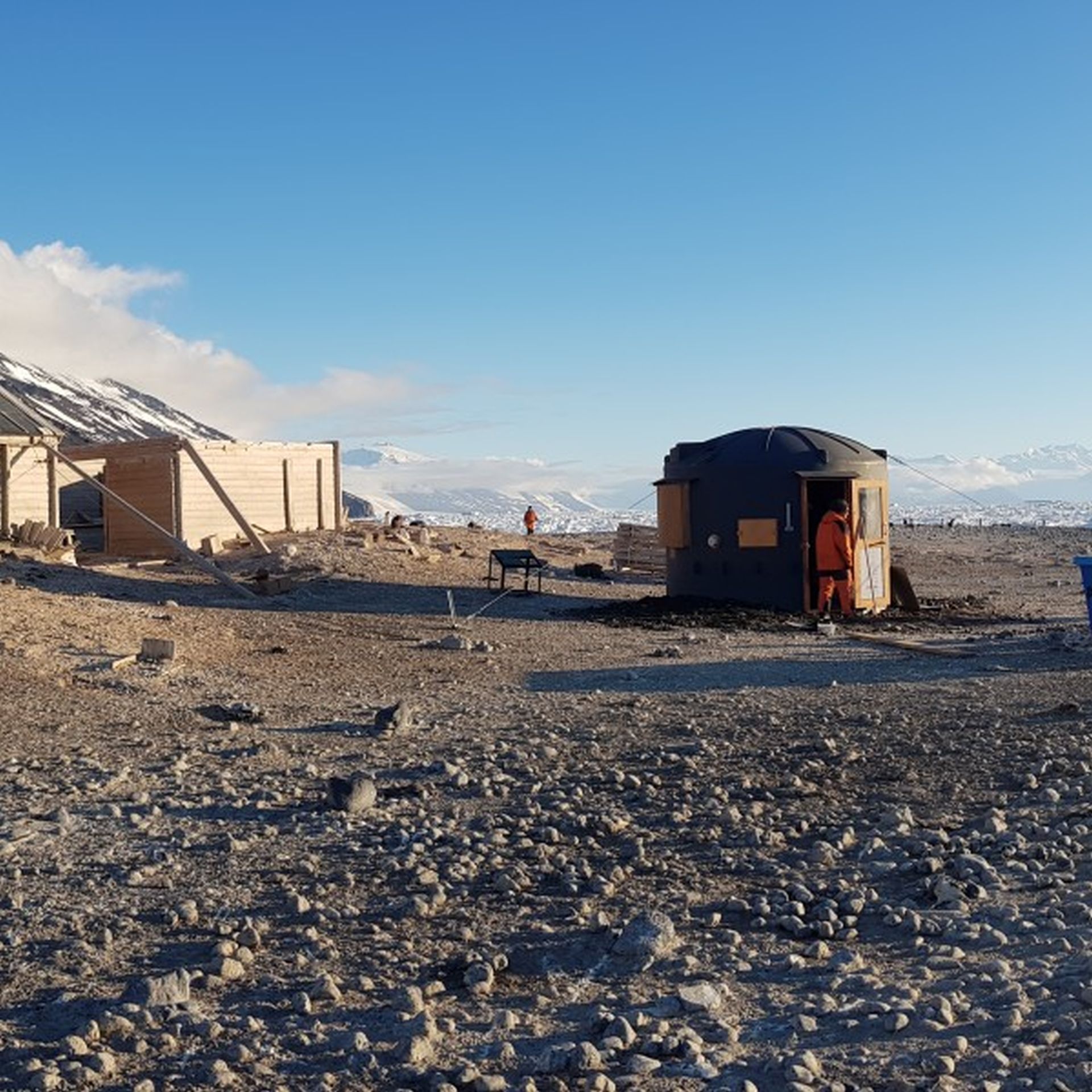
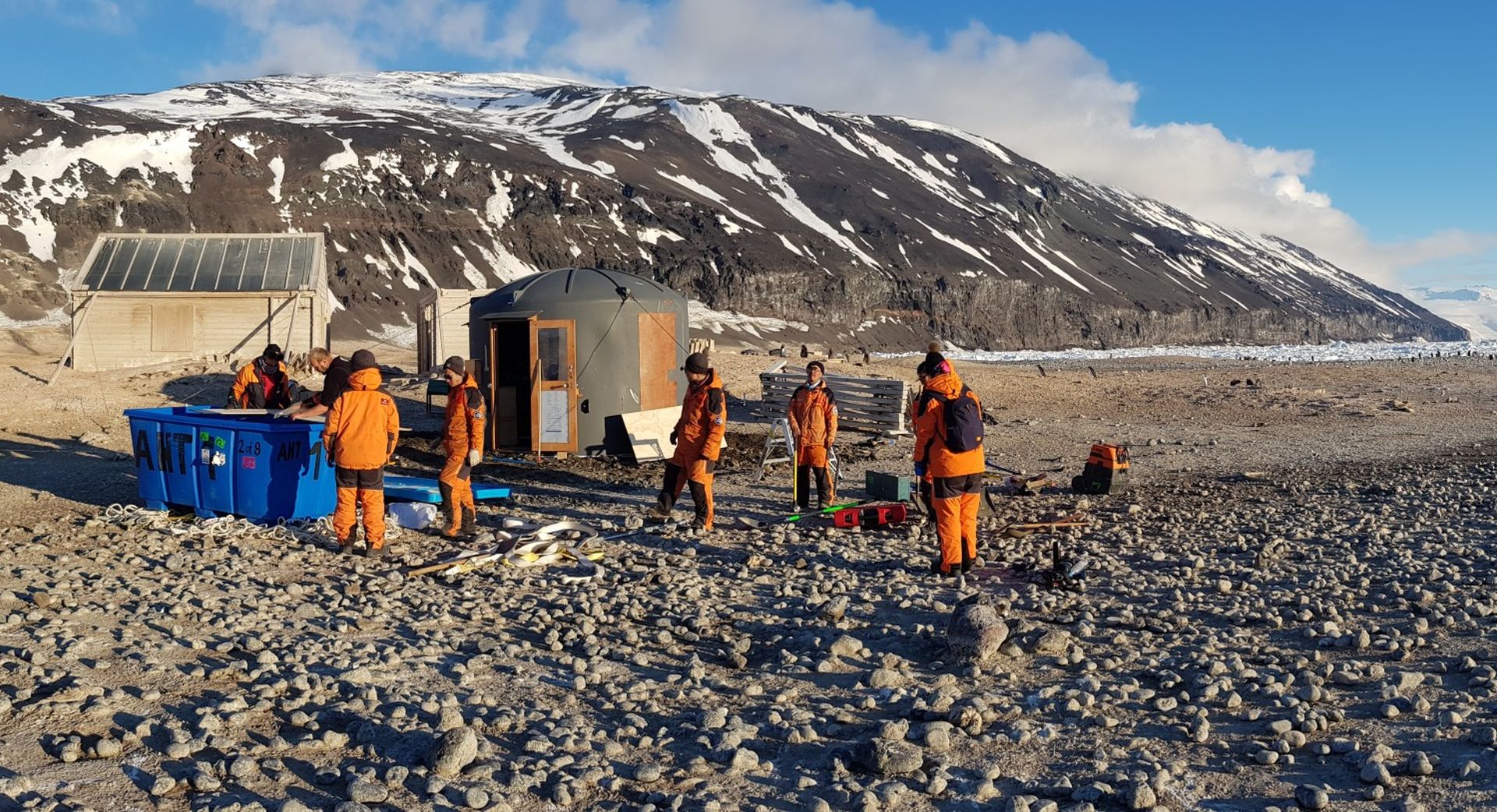
Erik worked with Al and the Trustâs structural engineer Win Clark to design the turks. Each turk has a 10m2 floor area and the three structures form a living area, work shed and store room.
Based on this design Antarctica New Zealand then commissioned Erik to construct three huts, which Erik calls âturksâ â ânot a hut, not a yurt not a tank, so it must be a turkâ.
Erik Bradshaw
https://nzaht.org/wp-content/uploads/2019/03/the-turks-at-cape-ad5ab95b85d4ddd7.16381123-600x600.jpg600600Commshttps://nzaht.org/wp-content/uploads/2019/03/logo-dark.pngComms2018-03-26 01:40:122019-04-30 01:54:52New Field Camp for Oldest Site
When I talk to people about what it is like to visit and live in Antarctica, everyoneâs imagination is that Antarctica is an incredibly remote, beautiful and stunning environment.
Antarctic Youth Ambassador Chris Ansin working on the hut roof
While no truer words have been spoken, Antarctica has left a very different, and for me, even more special impression. It was the environment that the people created, one of collaboration, hard work, friendship and happiness. Nowhere else have I ever experienced something more powerful than being surrounded by people where everyone was living the life that made them happy.
I feel humbled to have worked alongside some of the most incredible people I have ever met. Al, Lizzie, Geoff and Diana were such an amazing team to work with. It was hard not to feel inspired just working and spending time alongside them.
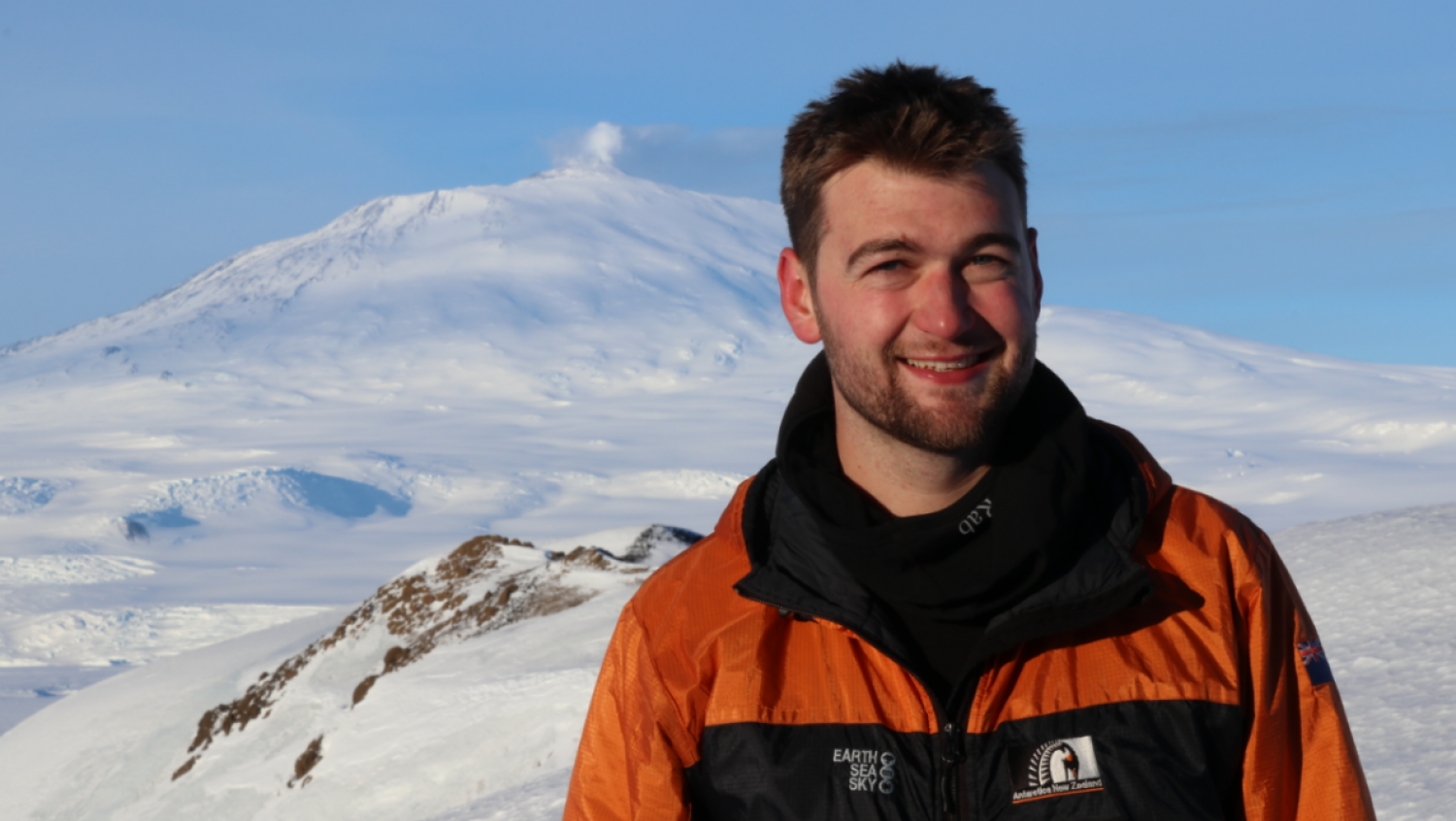
Chris Ansin
Chris in Antarctica
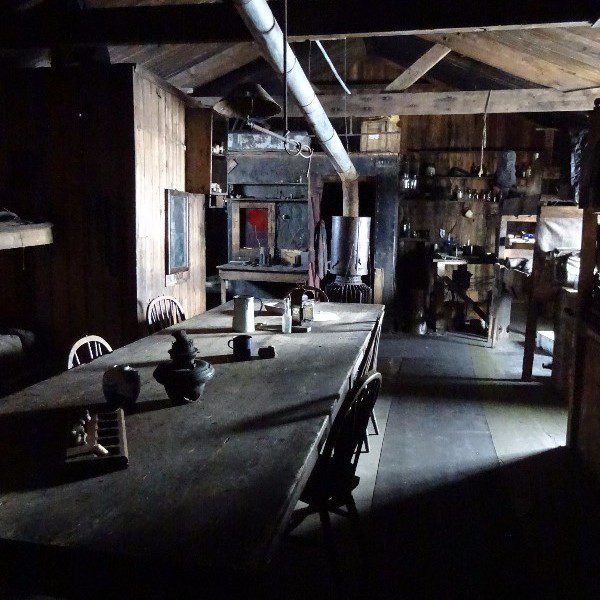
Antarctica itself still seems such a surreal place, full of magic and wonder. Stepping into the historic huts flung striking pictures of the struggles of the men no older than myself into my mind. The vivid history of the surroundings envelopes you in emotion, it is impossible not to form a connection. To work on and help preserve the legacy of the heroic explorers that I idolise was such a rare treat and one that I will treasure for the rest of my life.
Experiencing the grandest and most dramatic landscapes on the planet, I am now only beginning to realise the effect that Antarctica has had on me. I am truly excited by the possibilities of life, and feel so privileged to have experienced this amazing continent with the crew from AHT. I definitely have the Antarctic bug!
Written by Sir Peter Blake Trust Antarctic Youth Ambassador Chris Ansin
https://nzaht.org/wp-content/uploads/2019/01/antarctic-youth-amba5a397c81dfc868.95324653-600x600-1.jpg600600Commshttps://nzaht.org/wp-content/uploads/2019/03/logo-dark.pngComms2018-03-19 23:57:132019-04-30 01:56:45Reflections from Antarctic Ambassador Chris Ansin
Since getting back everyone has been asking me âWell, how was it?â and I keep finding myself short on adjectives.
Itâs hard to sum up just how special a place Antarctica really is or the real sense of privilege I found at being able to work in the historic huts. I met lots of interesting and lovely people, went snow-caving, bounced over the sea ice in a Hagglund, camped in sight of Mt Erebus, flew over the Barne glacier in a helicopter and learned so much about the first expeditions to the Ross Sea.
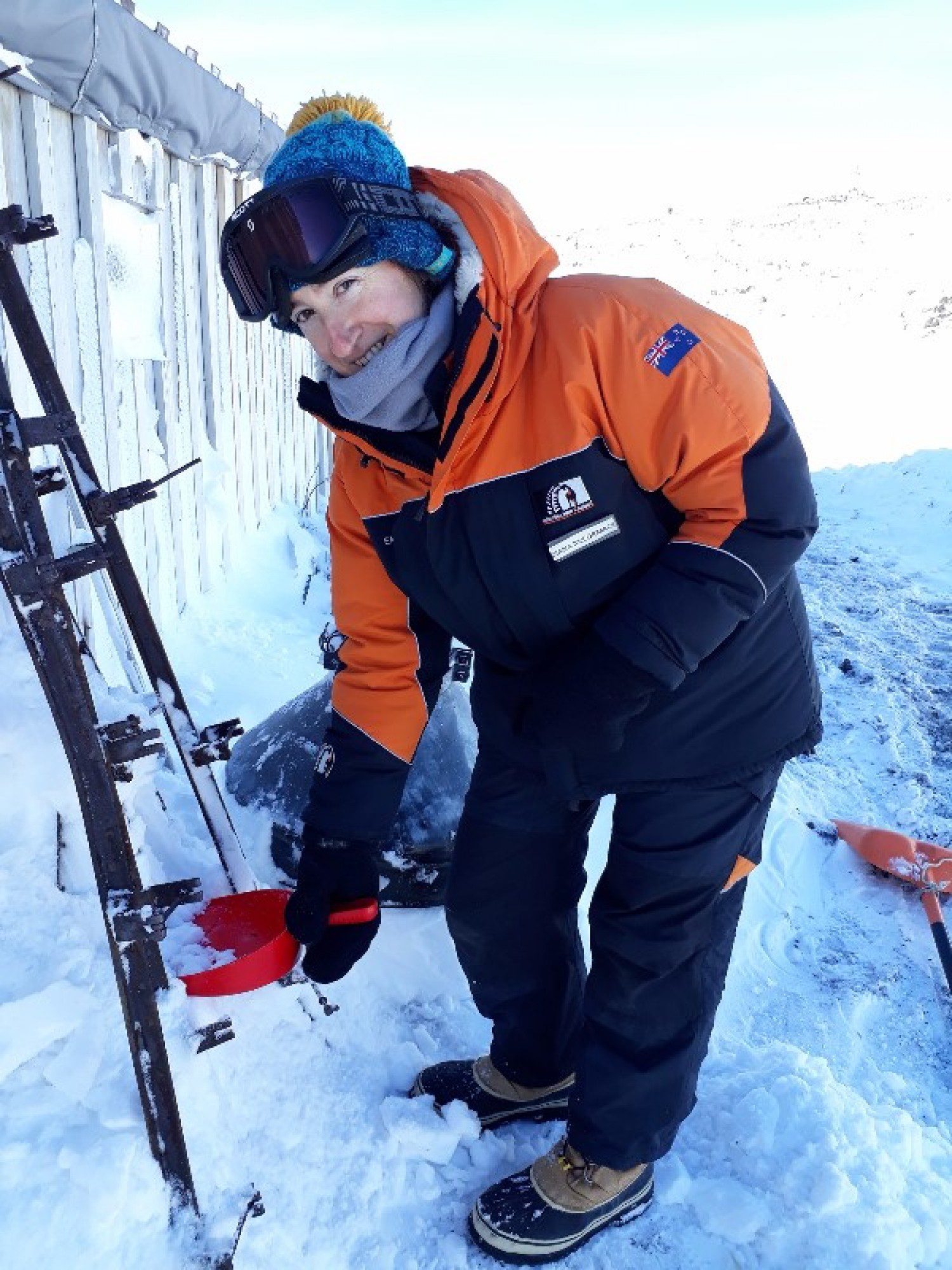
Antarctic Heritage Trust/Diana McCormack
Digging snow outside the hut
Joining Al and Lizzie and the team for just one season, it really struck me how much work has already gone into the huts and the enormous achievement of everyone in that team over the years. Thinking about all the logistics and planning that have been behind all that fieldwork is pretty humbling. It has given me fresh positivity in tackling my own conservation challenges at home, because the historic ships can be daunting at times. We are constantly battling the elements and trying to preserve very large objects in the outdoor marine environment â but seeing what has been possible in Antarctica and getting a taste of working in those conditions has given me a new perspective.
When I get asked âWhatâs the most memorable thing you took away from it all?â it still takes a minute to find an answer. But if I close my eyes the first thing that comes back is walking through the door to the Terra Nova hut at Cape Evans, and the amazing smell of blubber, and straw and timber. Thatâs going to stay with me for a long time!
Written by Conservation Ambassador Diana McCormack
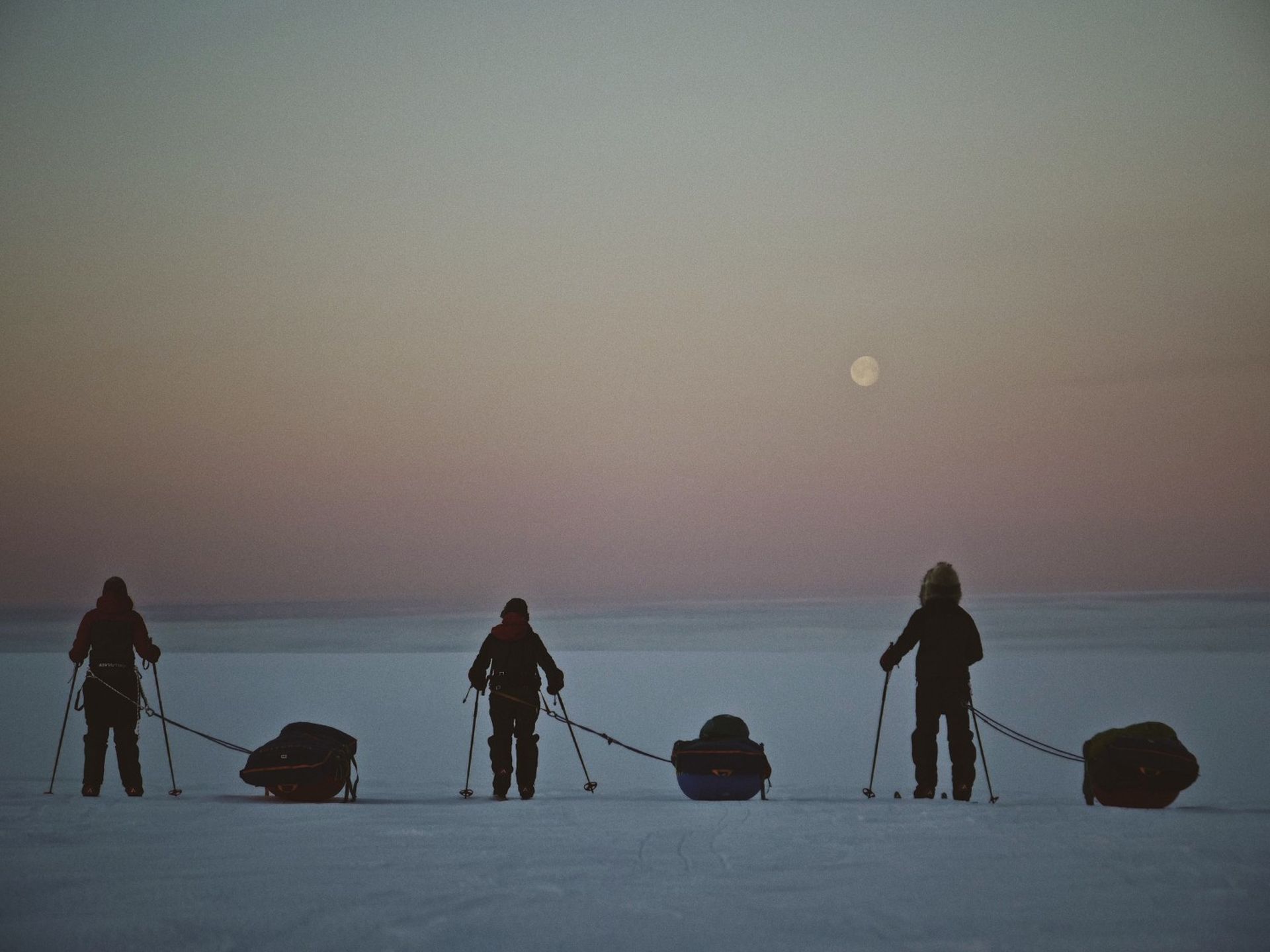
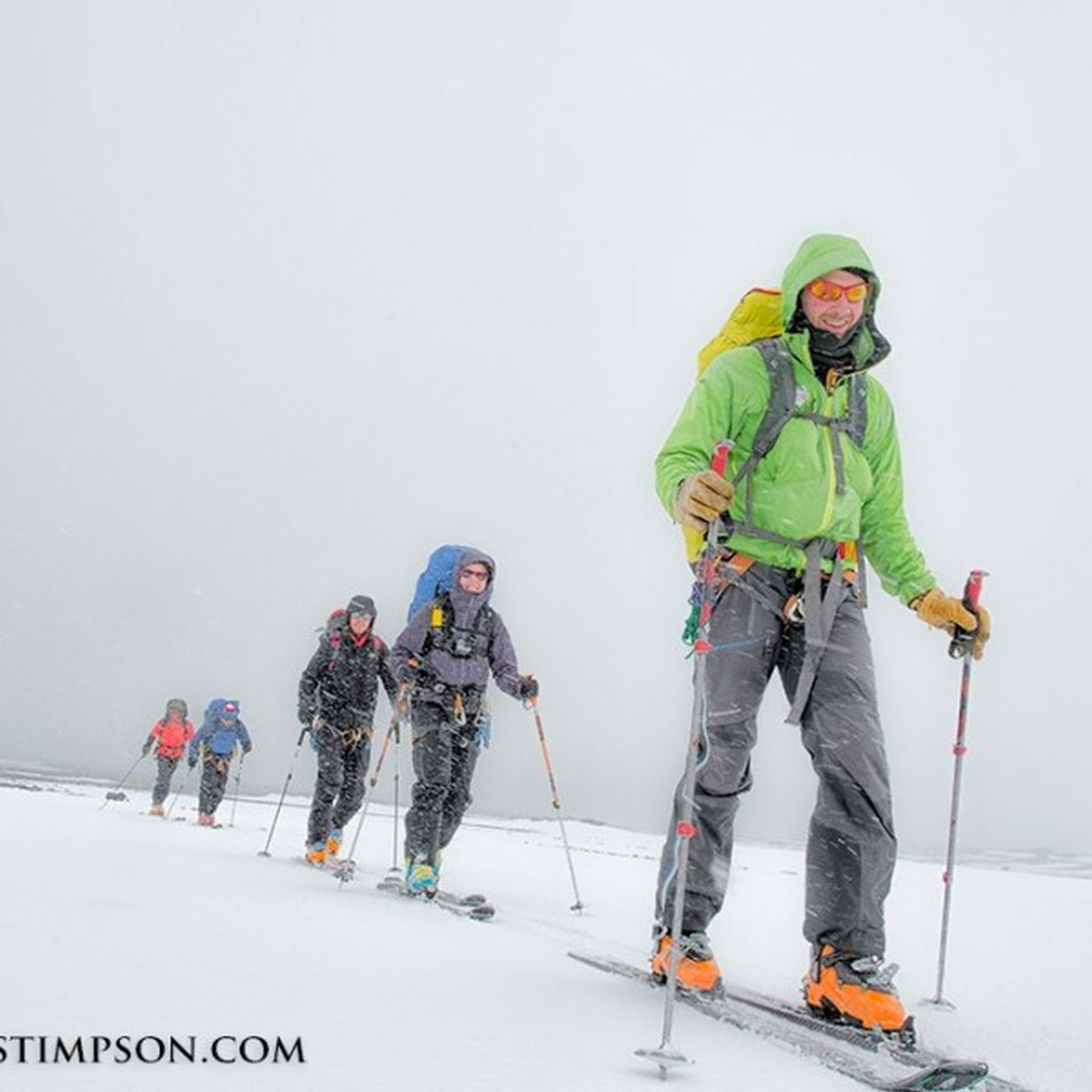
The Last 36 was filmed by James Blake, and follows the Antarctic Heritage Trustâs Inspiring Explorersâ Expedition to South Georgia to mark the centenary of the first crossing of the island.
The expedition retraced Shackleton, Frank Worsley, and Tom Creanâs heroic journey to get help for the crew of the ill-fated ship, âEnduranceâ. This remains one of the most remarkable survival stories in history.
Antarctic Heritage Trust (AHT) Executive Director Nigel Watson completed the journey with the three young explorers and two professional guides from One Ocean Expeditions in late 2015.
âIt was an eye-opening journey. Even with all of our modern equipment we were up against the elements. It certainly gave us a tiny insight into that last chapter in Shackletonâs remarkable journey.â
Nigel Watson says Inspiring Explorersâ Expeditions are part of the Trustâs efforts to engage young people with the spirit of exploration, something he believes is still critical in the 21st century. He hopes the release of The Last 36 will support this.
âSharing this short film, which is beautifully shot and wonderfully edited, is a great way to inspire people with one of the worldâs greatest polar exploration stories. Each of our Inspiring Explorers is asked to go out and share their story in the hope they will encourage people to step out and explore the world around them.â
https://nzaht.org/wp-content/uploads/2019/03/rob-stimpson-test-ph56a58612e3c0f2.11462112-600x600.jpg600600Commshttps://nzaht.org/wp-content/uploads/2019/03/logo-dark.pngComms2018-02-14 21:55:182019-04-30 02:18:31The Last 36
The team is back at Scott Base now and enjoying the relative luxuries (bathrooms, meals being served up for us, mattresses instead of roll mats).
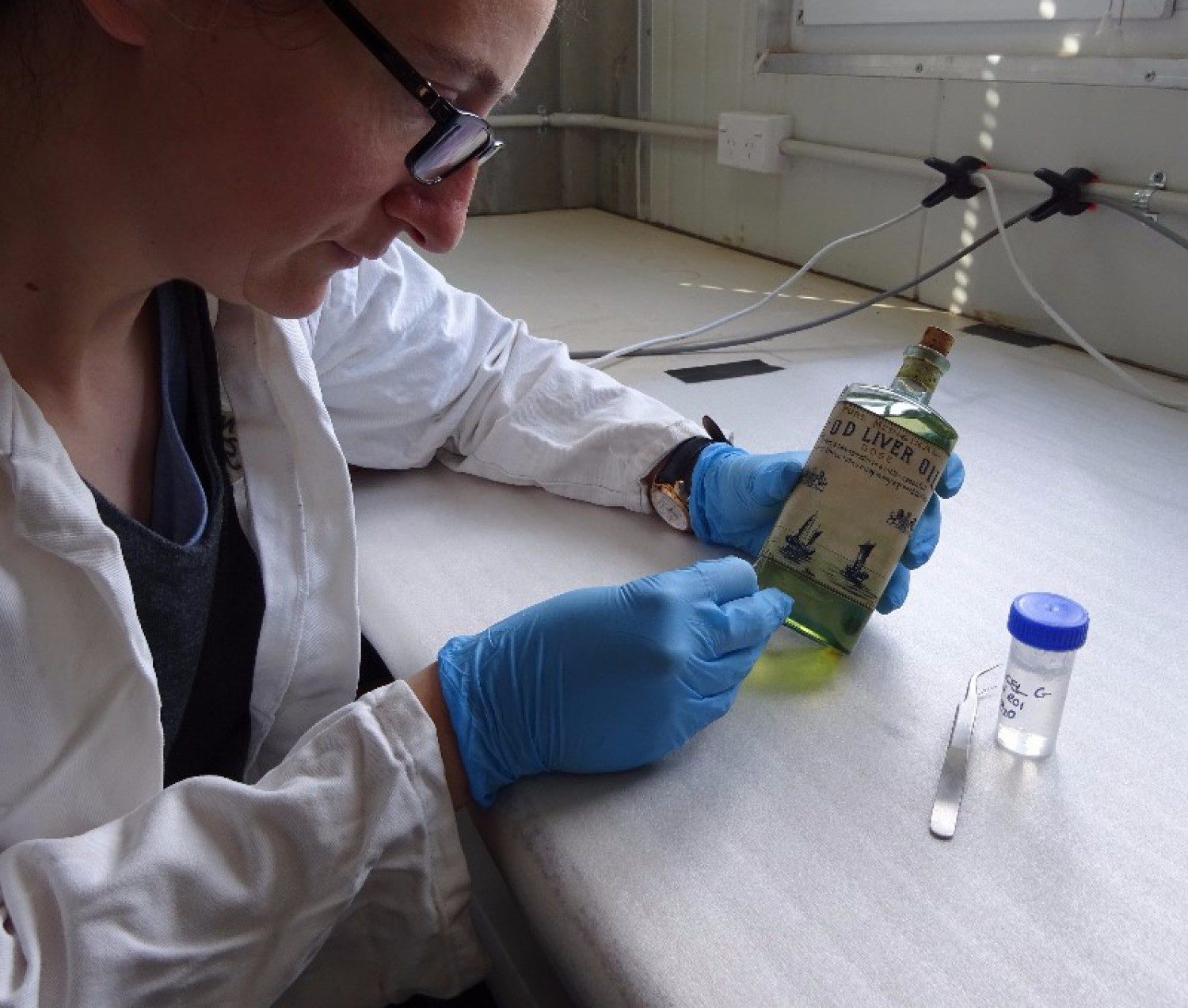
I have been working in the lab here on some objects that need conservation before they can be placed or re-placed into their original locations in the historic huts.
Diana McCormack
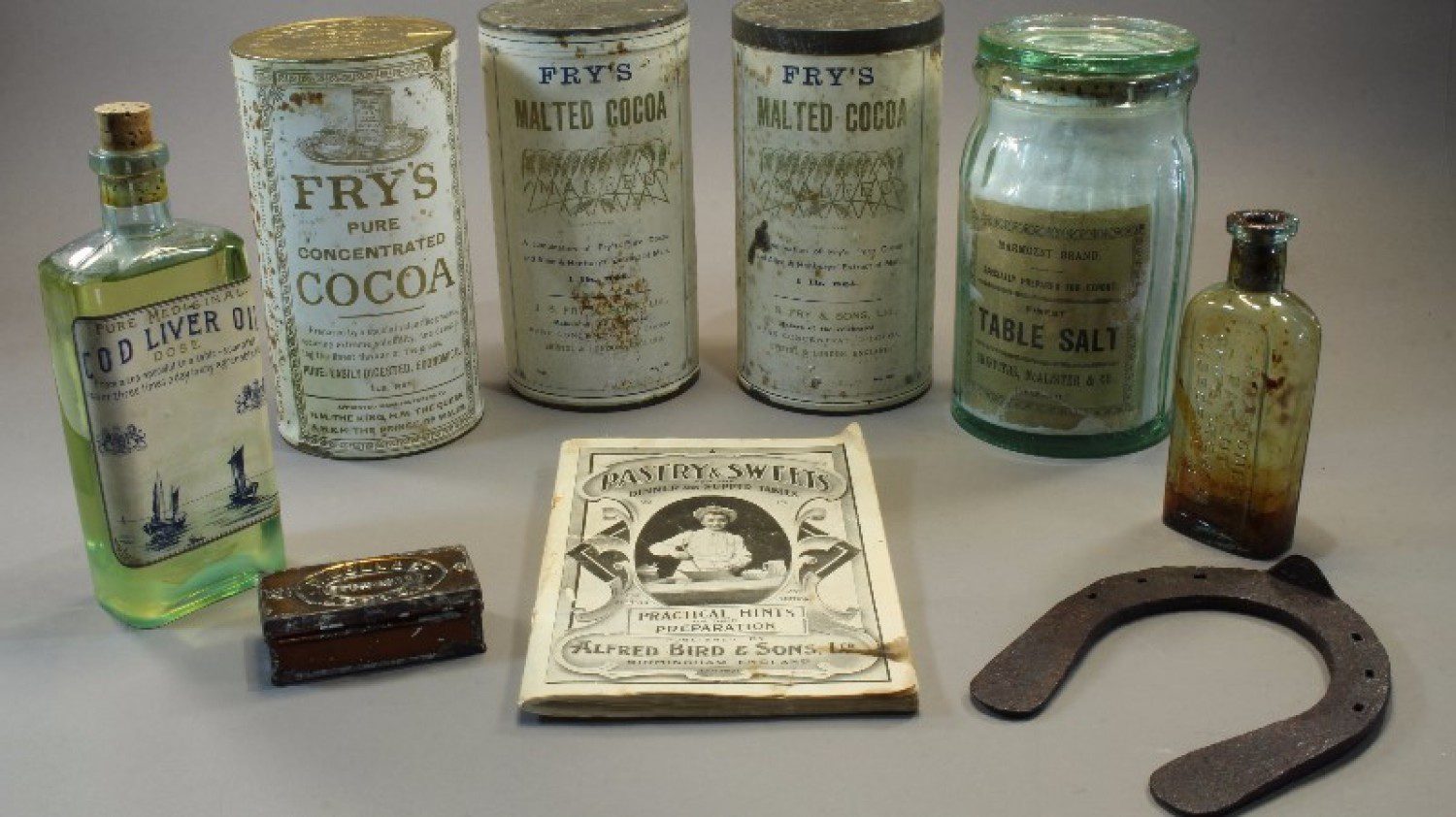
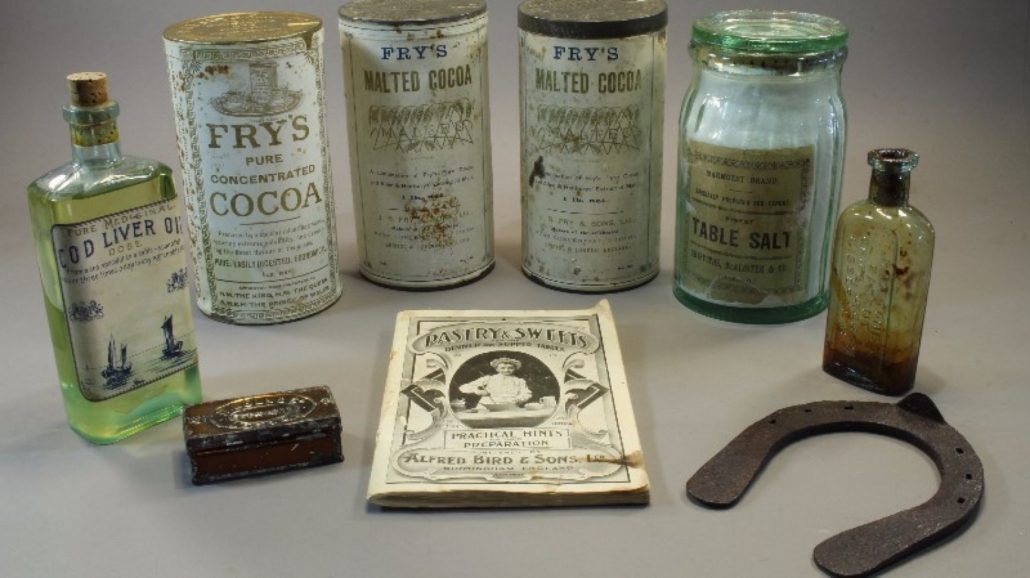
Group of donated items from Cape Evans
Of special interest are a small group of objects that have been donated to the Trust this year. We have several cans of cocoa, a bottle of cod liver oil, a lacquered matchbox that still contains matches, and a jar of table salt. What these objects have in common is that they all came from one of the historic huts, but were removed during the 1950s and 1960s before the areas were protected by the Trust, often by people who were working or sheltering in the bases at that time. It is great to have these objects returned so that they can be put on display in their original context.
This bottle of cod liver oil is in really good condition, and that is mainly due to the fact that it is unopened and made from glass, which is a relatively stable material when compared to the metal artefacts. The bottle has also been sealed around the cork stopper with wax at some point, to make sure it doesnât leak. Some little repairs to the label and a general clean-up were all it needed, and now it can be packed up and returned to the Terra Nova hut at Cape Evans next season.
Much like the differences in the historic huts, compared to the cosy cabin at Cape Royds in which we were cooking dinner, Cape Evans field camp was a five star hotel. It had a heater, a gas stove, you could fit more than 2 people in there without having to squeeze, and most importantly it came with a fresh supply of survival chocolate!
Chris Ansin
It was here that we encountered our first storm of the season, but like the hard explorers that built these huts, a little poor weather wasnât going to stop us from working to restore the hut. We had to mark a trail between our camp and the hut as when the wind picks up it picks up the snow on the sea ice, and forms an impenetrable wall of drifting snow. This also happened to redeposit most of the snow that we had dug out. Back to the shovel for me.
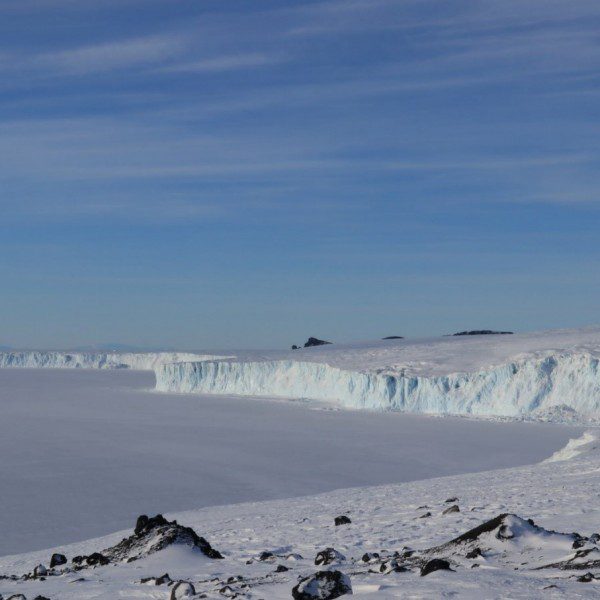
Cape Evans sits at the base of one of the main glaciers from Mt Erebus, the Barne! What a stunning blue that ice sheet was, just dropping into the frozen sea. Later in the season when the sea ice bubbles up and forms pressure ridges seals will come out to sunbathe on the ice, unfortunately none were to be found today.
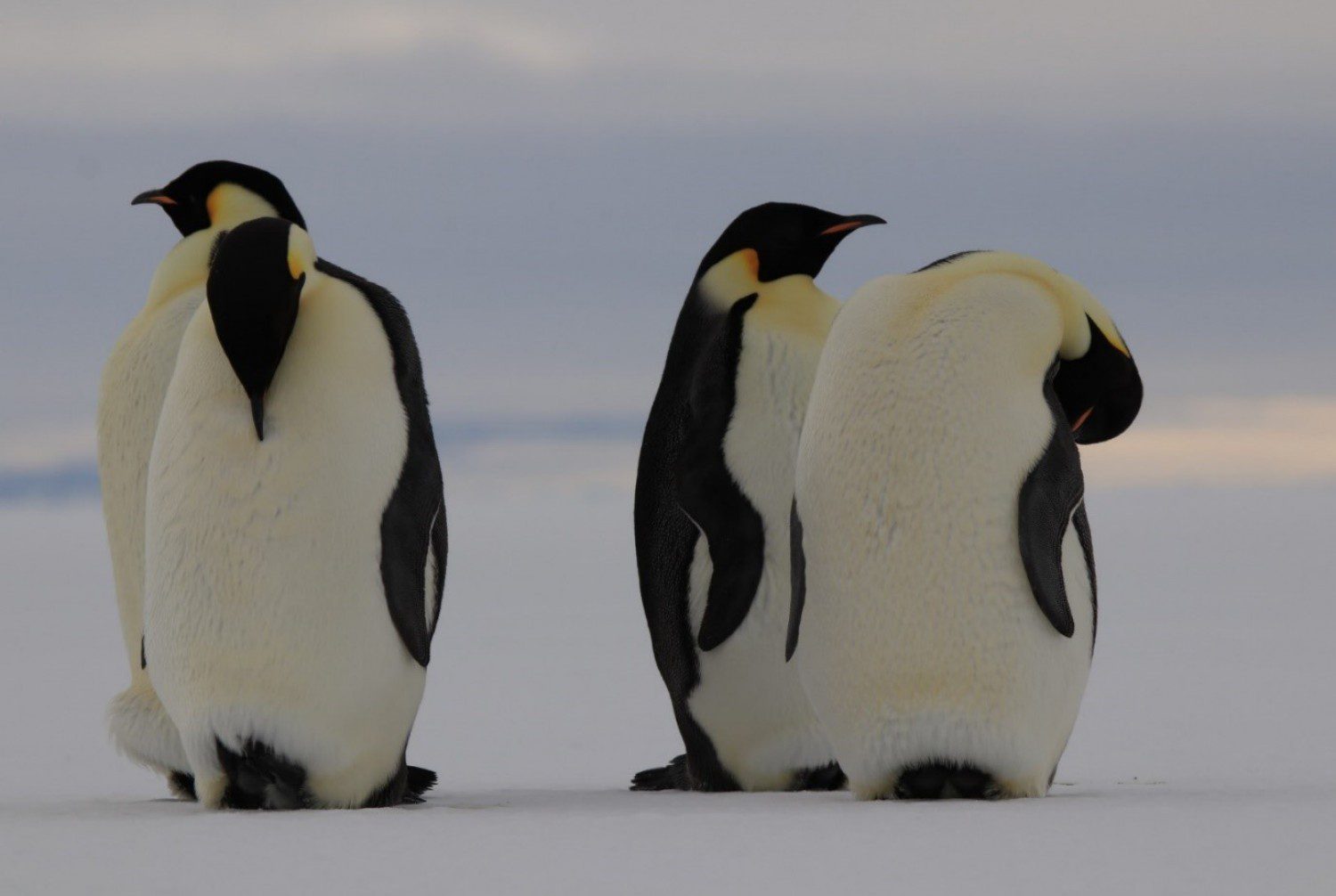
During the trip out from Scott base, we heard a shout over the radio of âTHATâS FANTASTICâ from the group travelling out to Cape Evans, and we knew that could only mean one thing, EMPERORS! Luckily they werenât too far from our base and that night I set off to find them. Just around the corner from the cape sitting on the sea ice fast asleep were four teenage trouble makers, clearly miles from home up to no good. I wish I could take daytime naps like these guys.
Chris Ansin
Emperor penguins
I waited for them to wake up and do something, I waited until my hands had almost fallen off, and waited some more and thenâŠ.. They continued to sleep and completely ignored my existence!
It was time to say goodbye to Cape Evans, it was forecast to be terrible weather and I hoped it would turn out to be true so I could spend another day out there. Alas, Hagglunds as it turns out can travel in any kind of weather and so we spent a bumpy two-hour ride in complete whiteout conditions wishing that we could see more penguins.
Written by Chris Ansin, Antarctic Heritage Trust and Sir Peter Blake Trust Antarctic Youth Ambassador.
https://nzaht.org/wp-content/uploads/2019/01/barne-glacier5a3c28777eac02.72465276-600x600-2.jpg600600Commshttps://nzaht.org/wp-content/uploads/2019/03/logo-dark.pngComms2017-12-21 00:09:262019-04-30 02:22:54Life of luxury
Adjusting back to life at Scott Base is like returning home from a long holiday. There are regular meal times, feasts would be a more accurate description. Â At 7, 10, 12, 3, and 6 you are fed with mounds of food with plate sizes starting at large. There is a running joke that you have to eat more than your body weight in food as you are in Antarctica and you never know when your next meal is going to be. If you are not careful you will end up looking like the seals out on the sea ice.
Chris Ansin
Life at Scott Base is not just all about the food. As it is essentially a giant box and going outside takes a significant amount of effort, there are often activities and events to keep the spirits high. During the first week back there was a barn dance with live bagpipes and a line instructor, it was the last place that I would expect to see a bagpipe. We spent the Sunday on a field trip exploring Castle Hill where you harness up to climb to the top, quite exhausting but the views are spectacular. From the top we could see cloud rolling in across the ice shelf so we quickly turned around to get back to base.
Chris Ansin
A seal basking on the sea ice
Stuck for nine days due to several storm cycles, some of the people at Scott Base were very keen to leave. I couldnât think of a better place to be stuck! On the bright side, the storm cycle produced some of the nicest snow Antarctica has seen for a long time. It was bizarre to see people amazed at snow in Antarctica, what I thought would be the home of snow. The snow gods had delivered nearly a foot of fresh powder, and what better way to celebrate by going out skiing cross country.
We have started work on replacing the roof on Hillaryâs (TAE/IGY) Hut, and it is about time that I became a roofer. I was always told by my father to get into a trade when I was younger. Here is my chance to live that dream and see if my dad was right.
Written by Chris Ansin, Antarctic Heritage Trust and Sir Peter Blake Trust Antarctic Youth Ambassador.
https://nzaht.org/wp-content/uploads/2019/01/chris-surveying-the-5a3c28d90e8f90.30516659-600x600.jpg600600Commshttps://nzaht.org/wp-content/uploads/2019/03/logo-dark.pngComms2017-12-21 00:02:242019-04-30 02:29:36Life at Scott Base!