
77 Degrees South Podcast

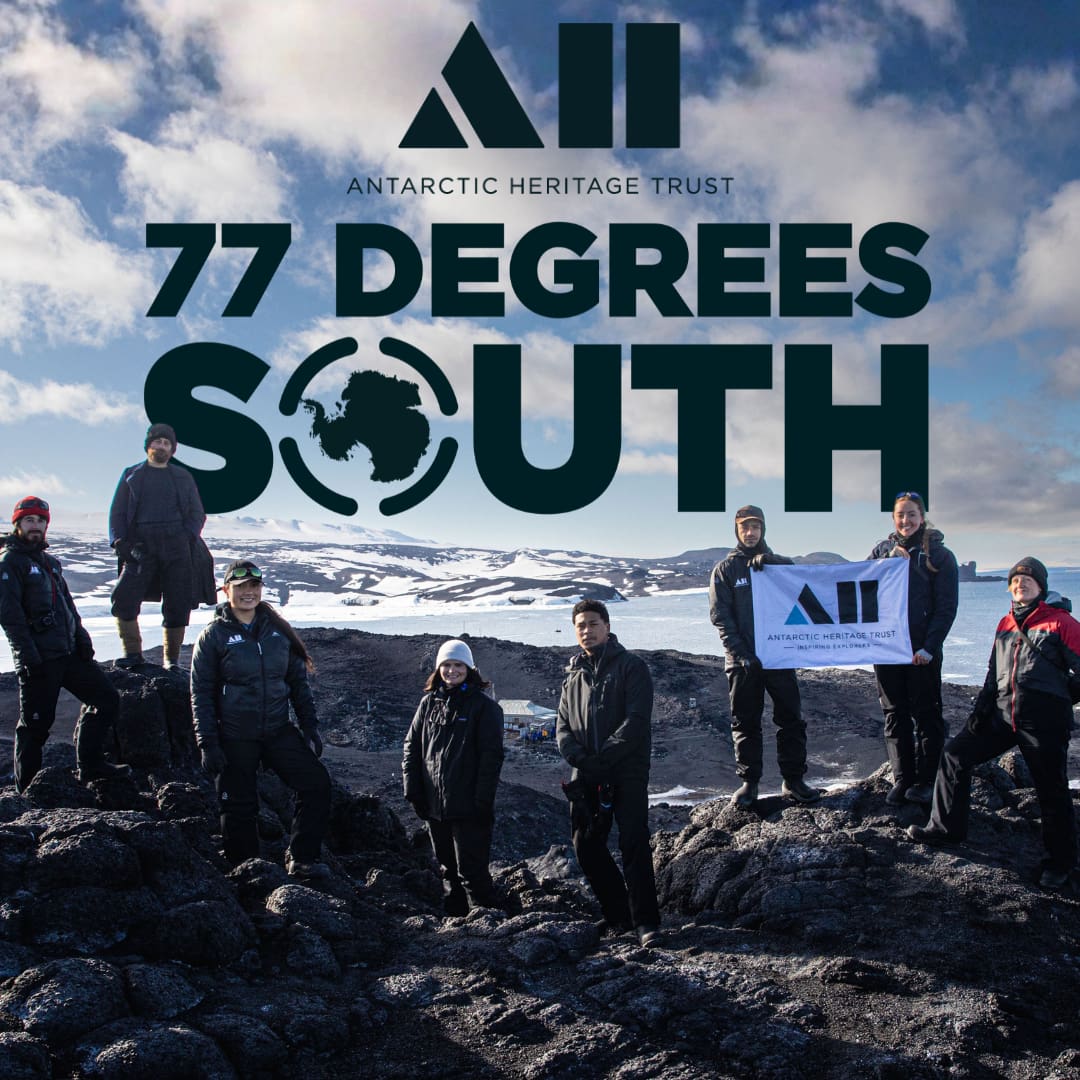
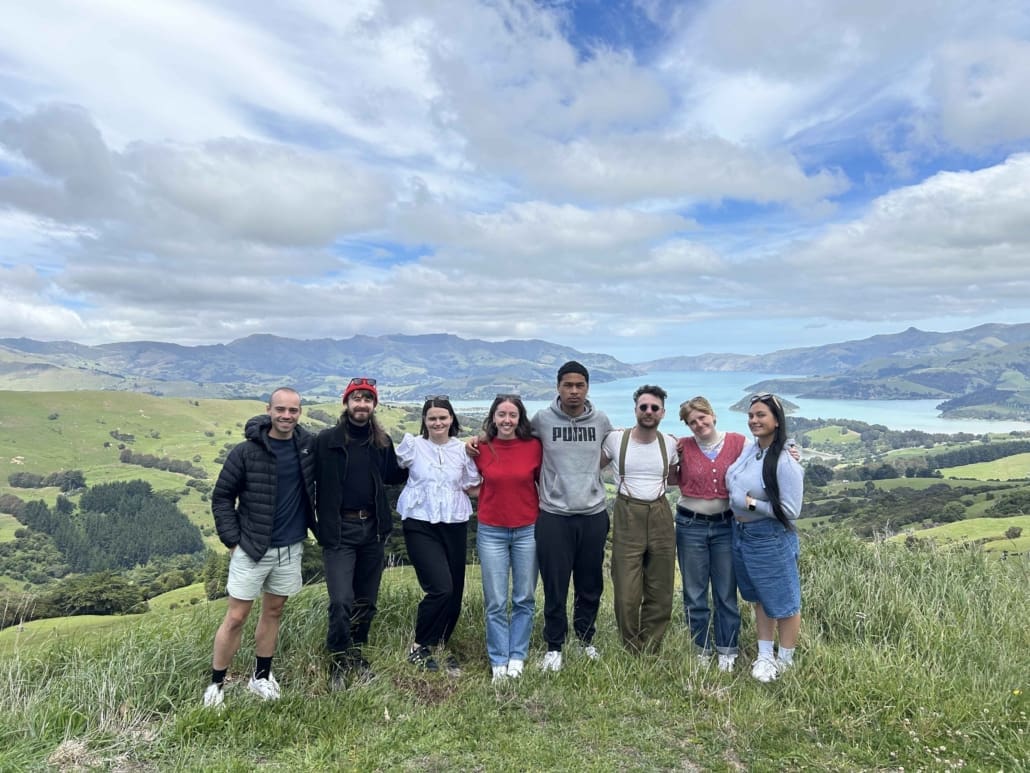
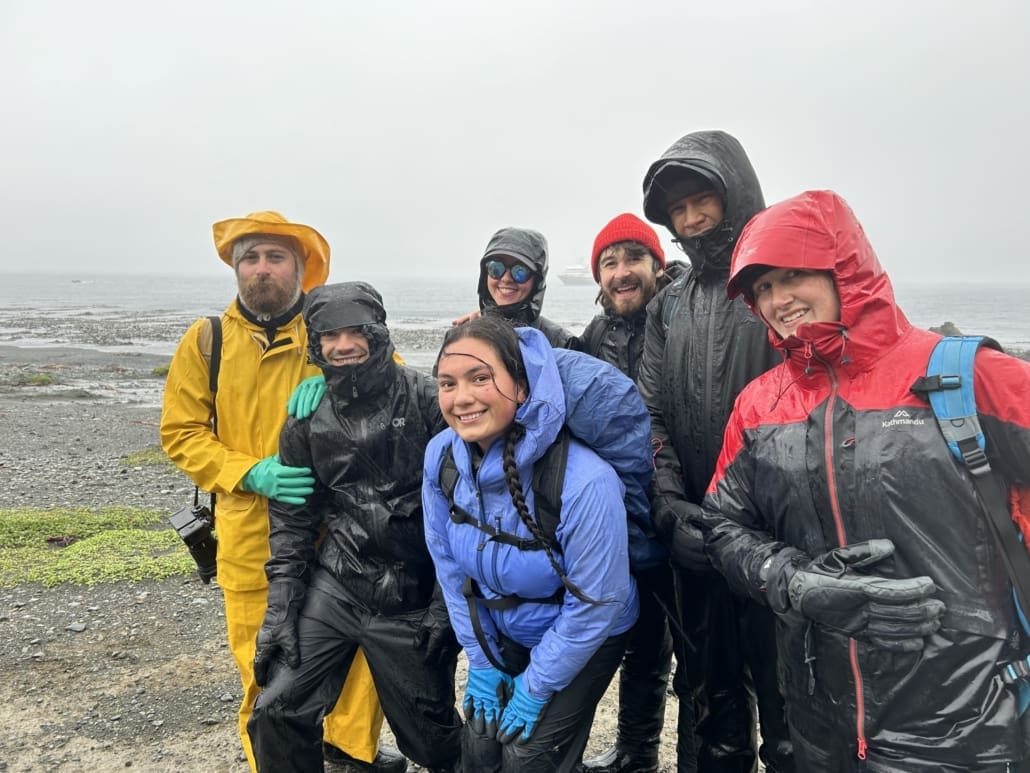
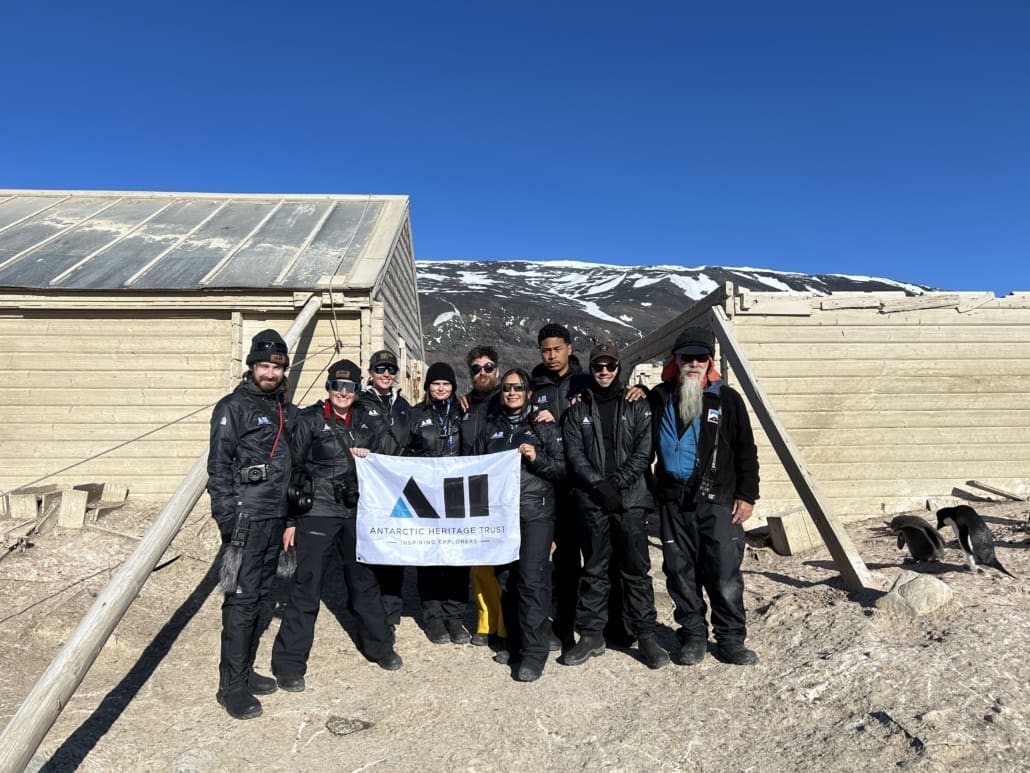
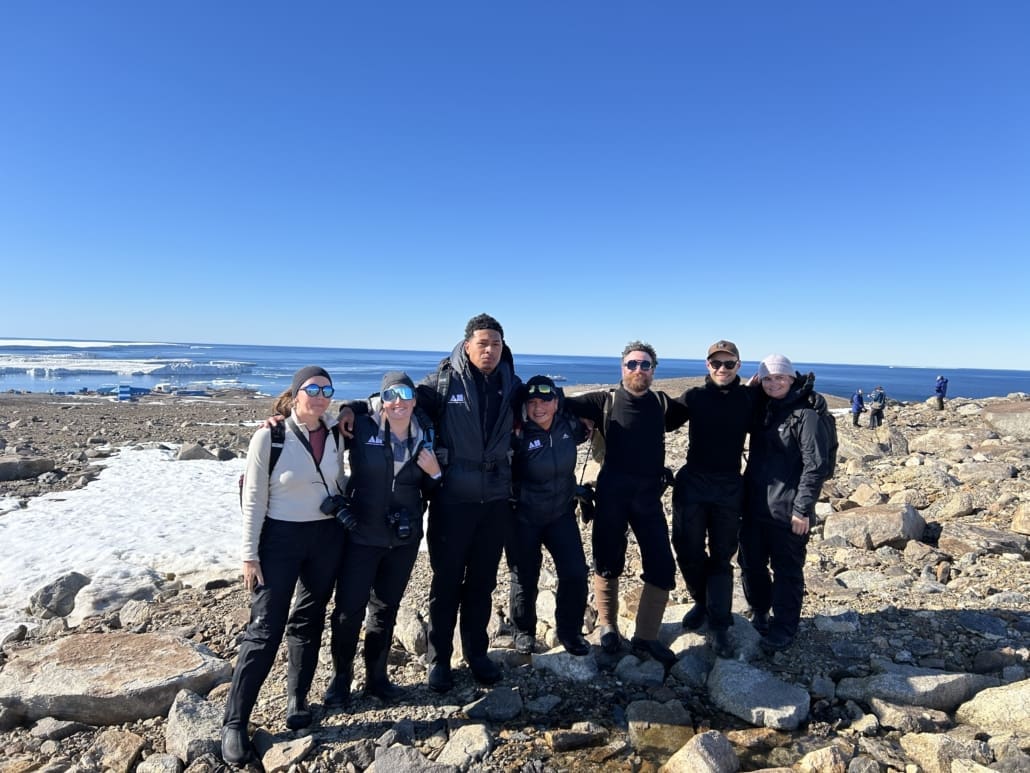
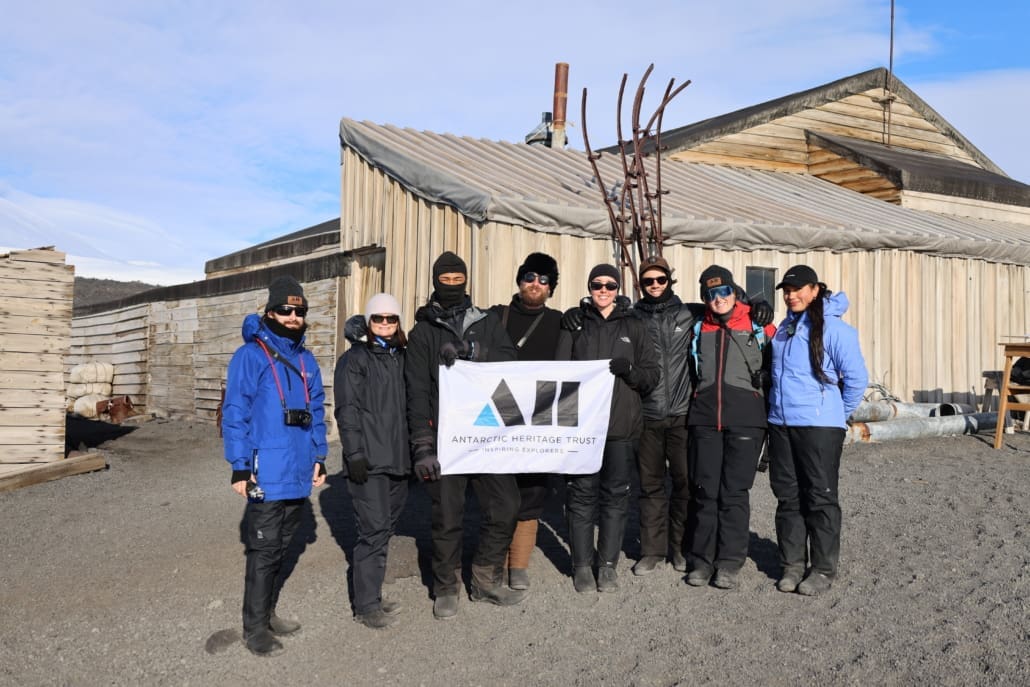
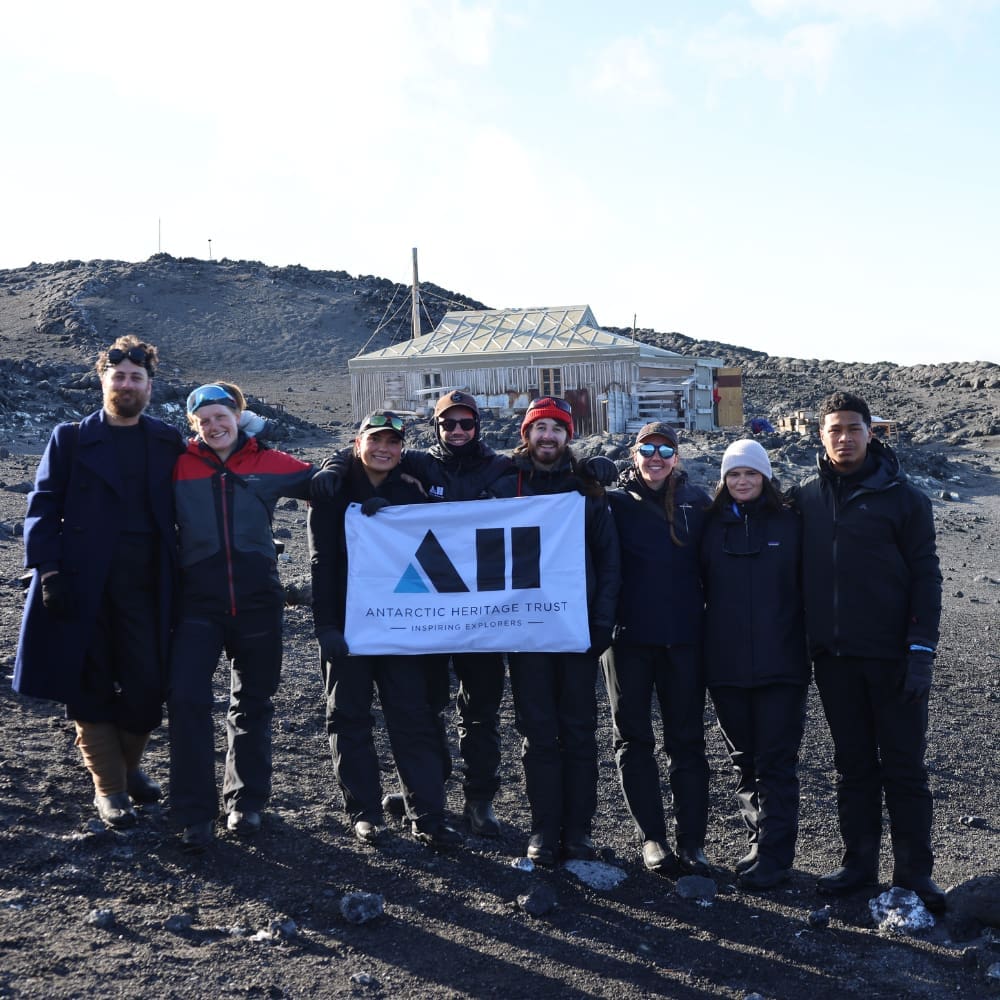
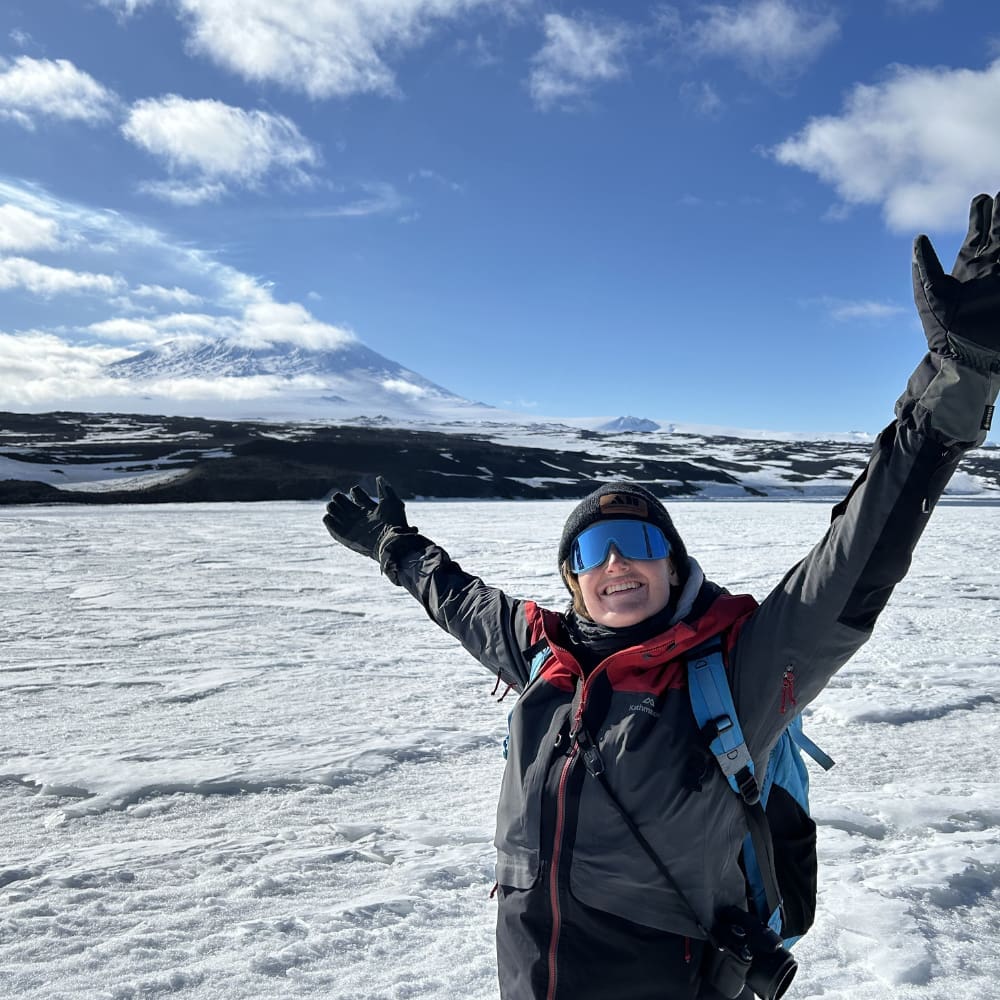
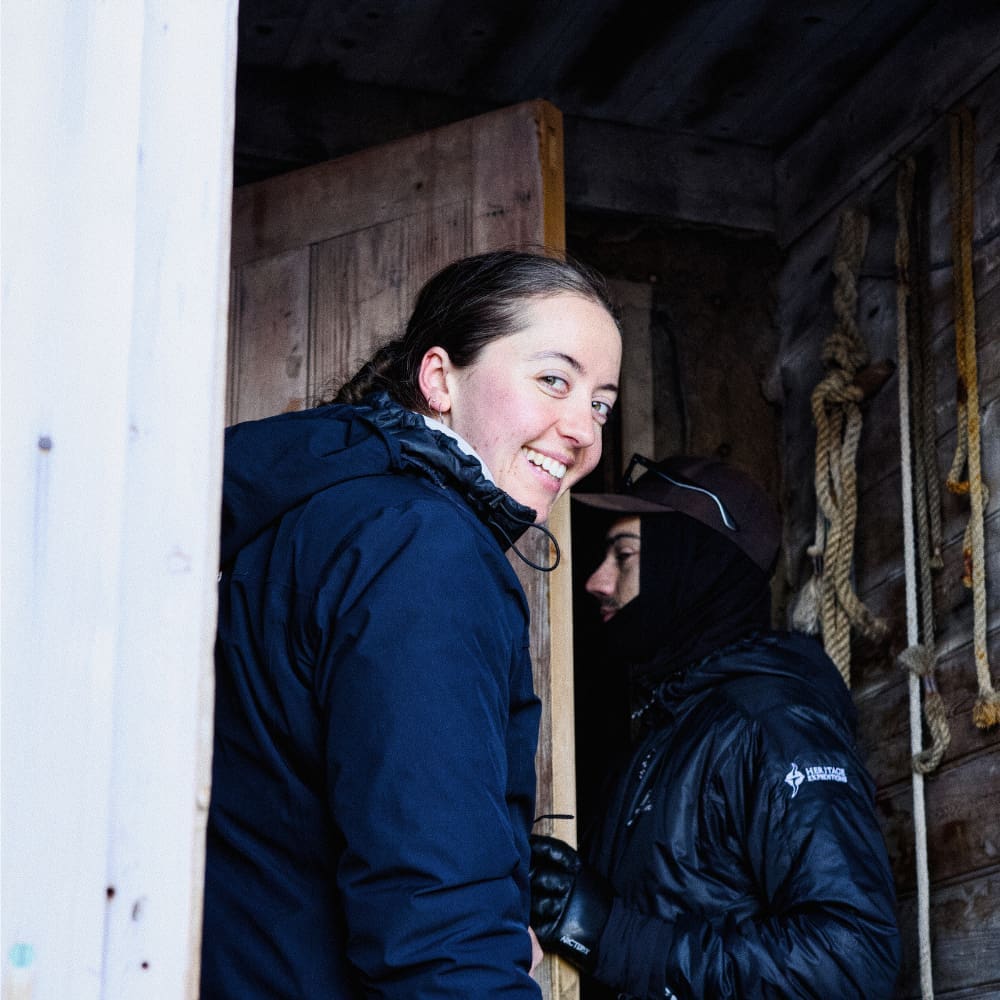
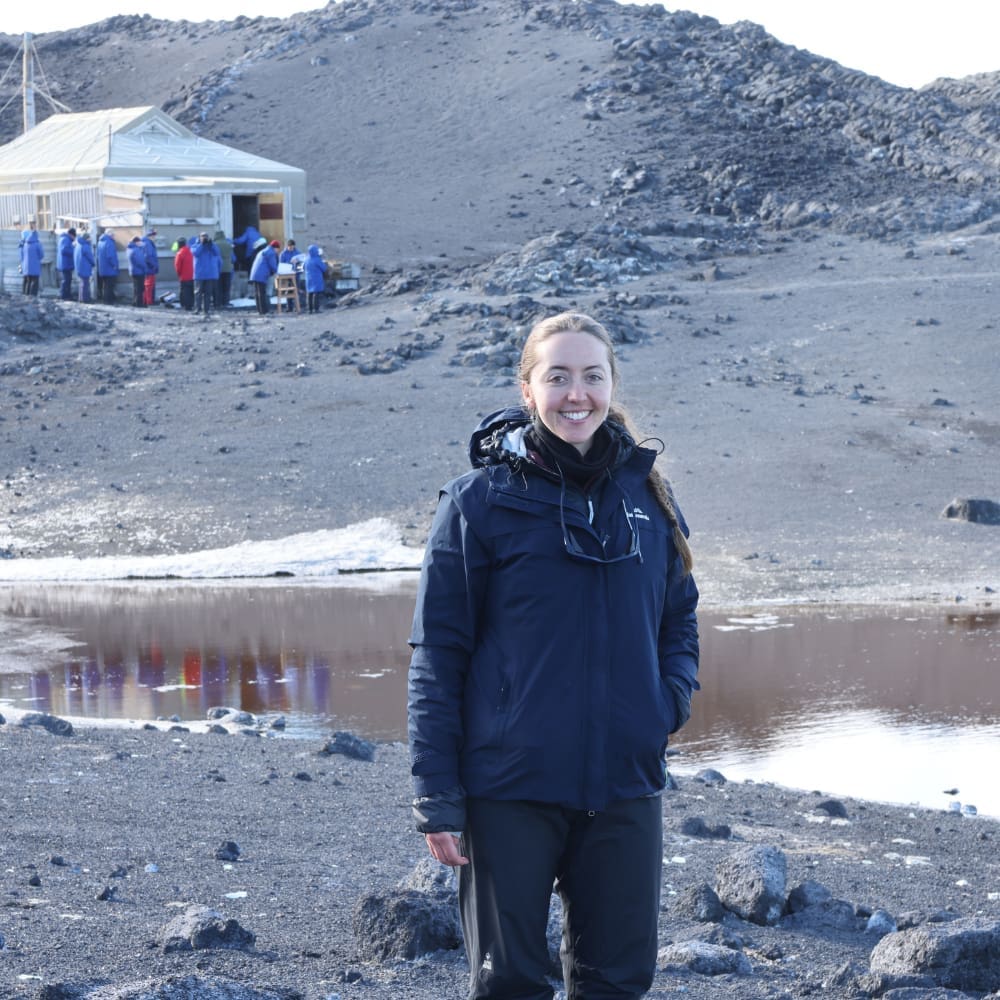
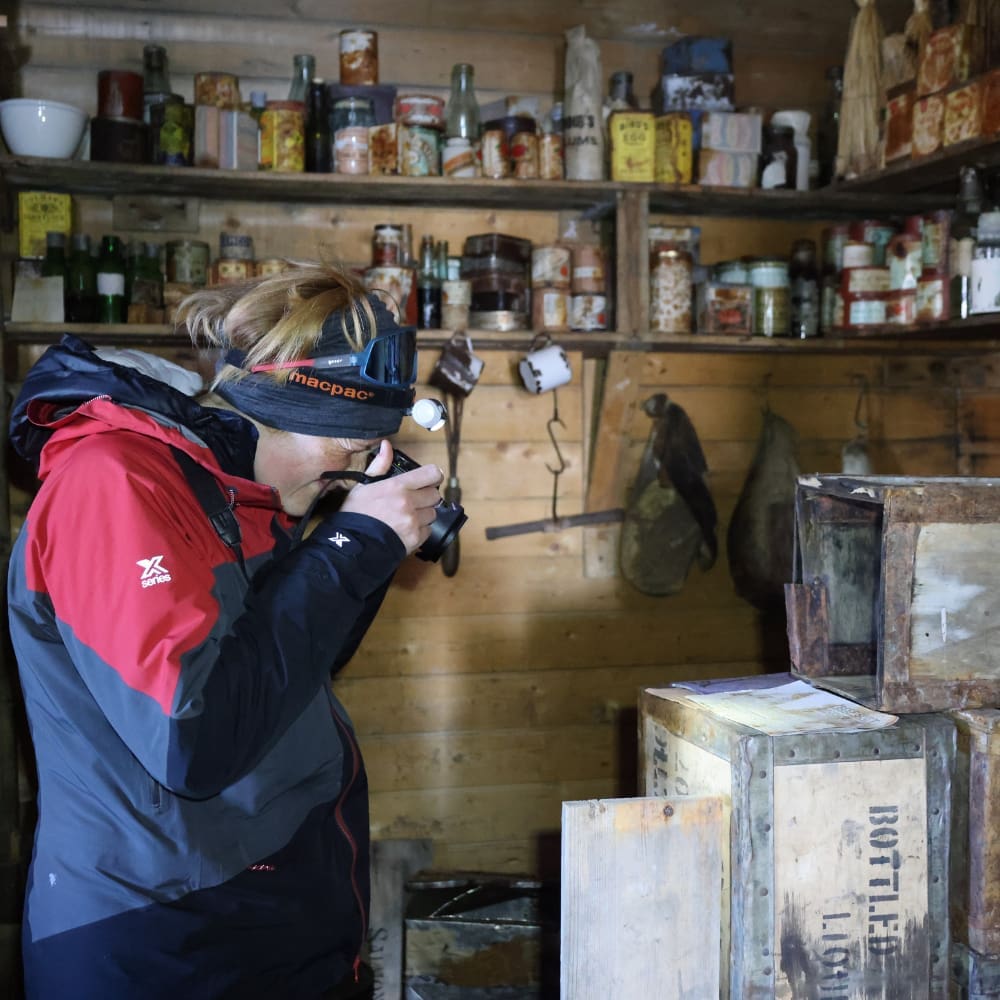
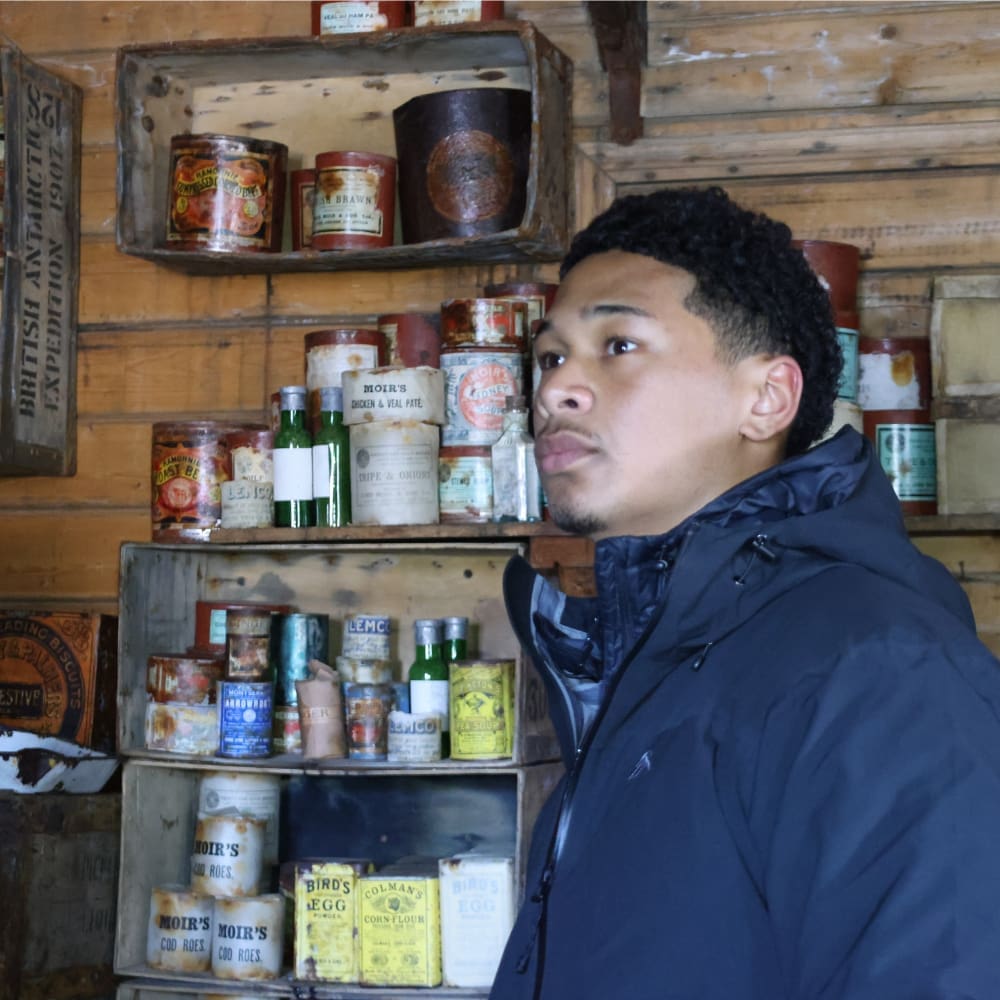
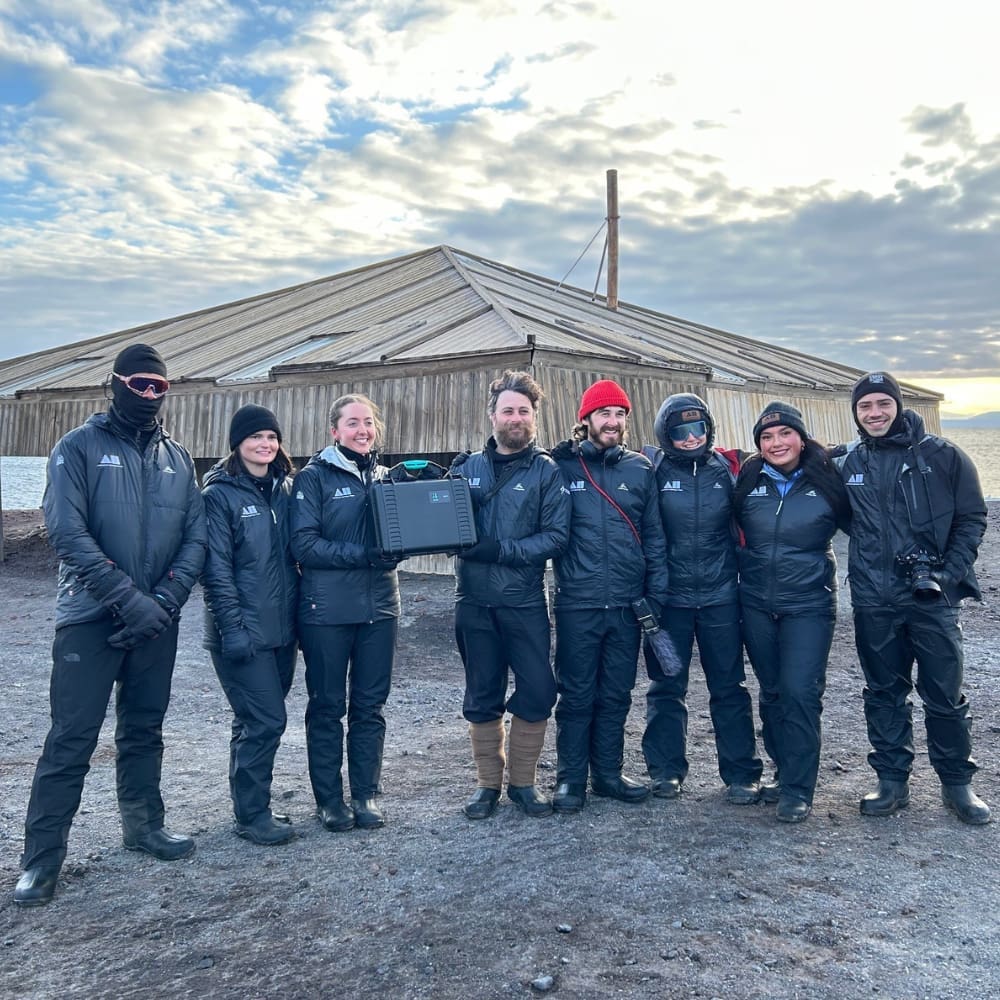
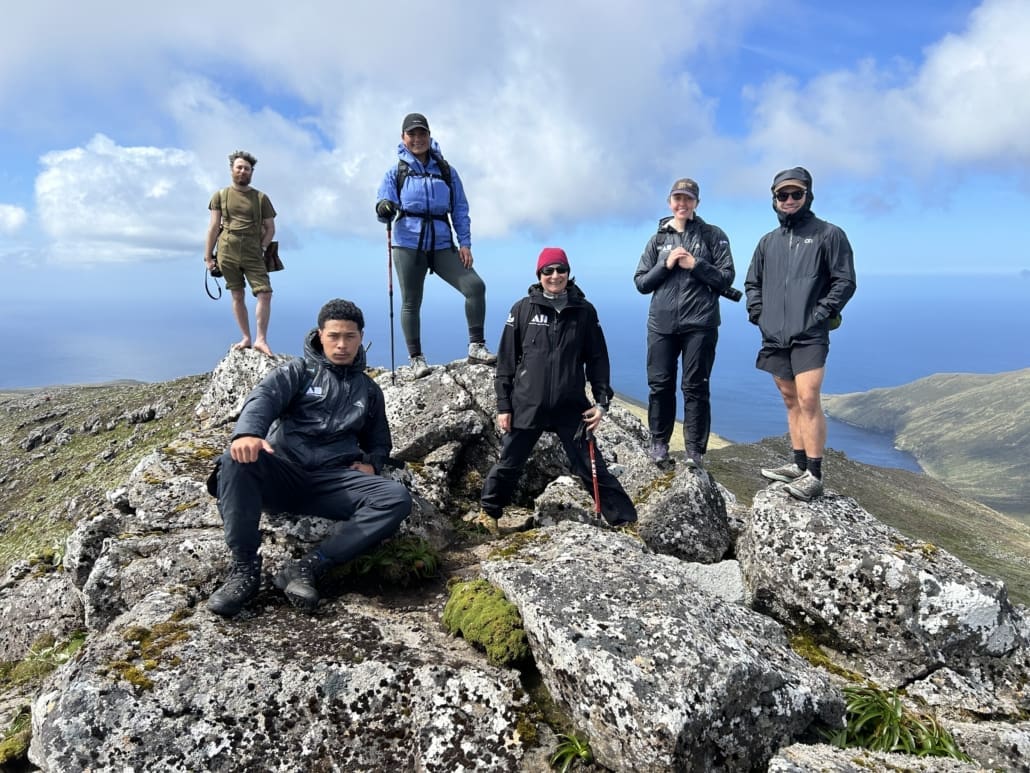
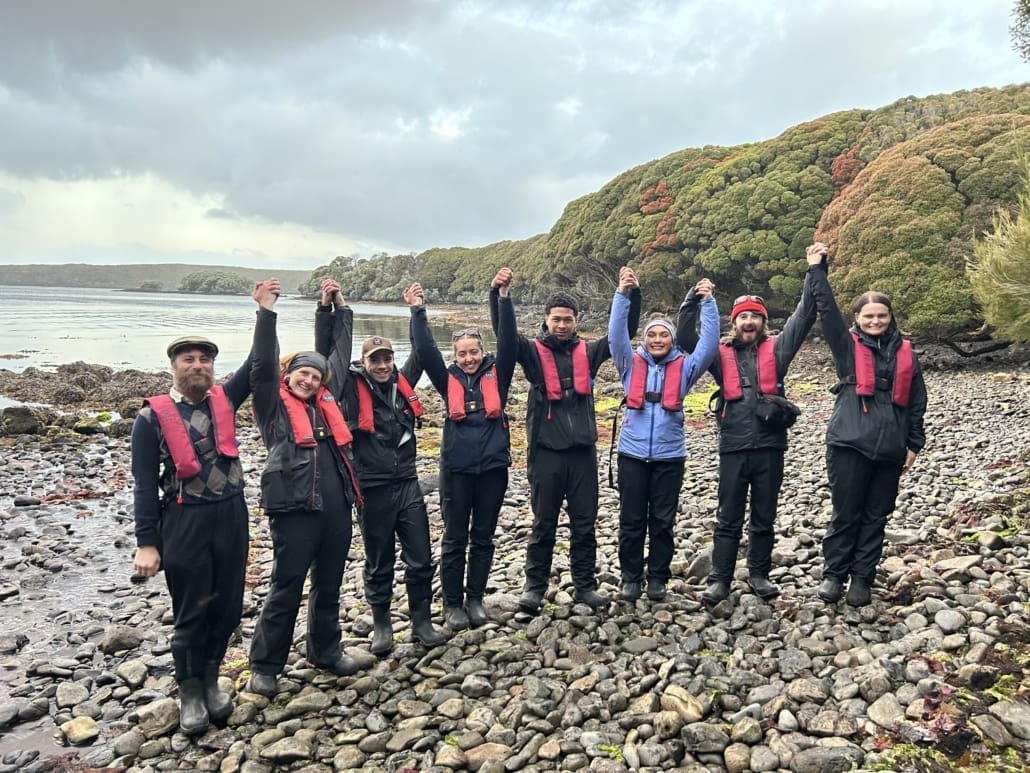
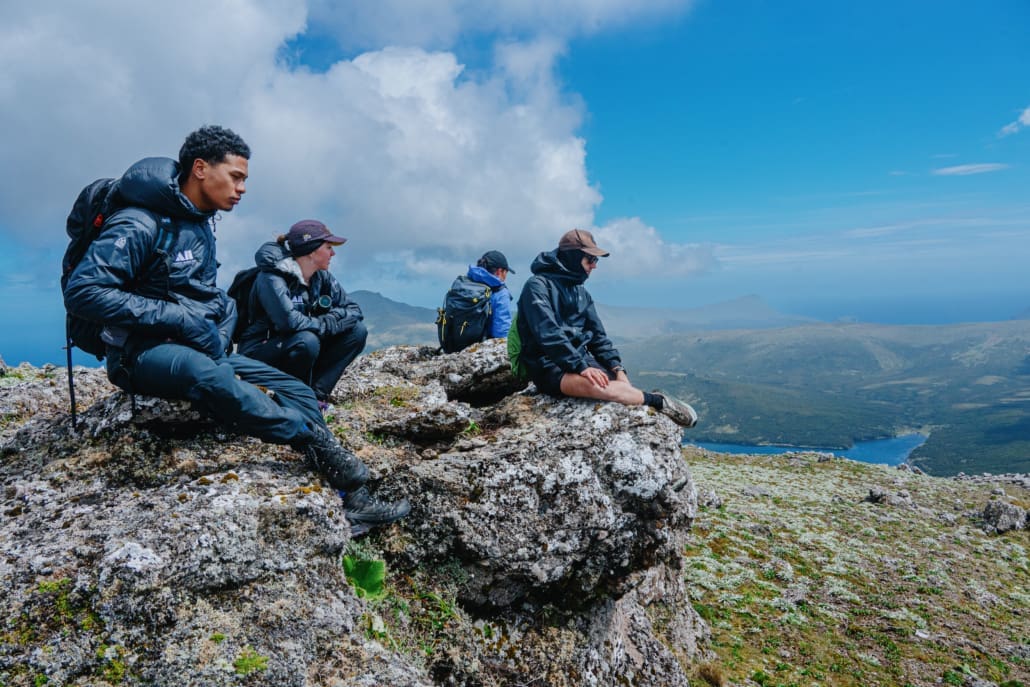
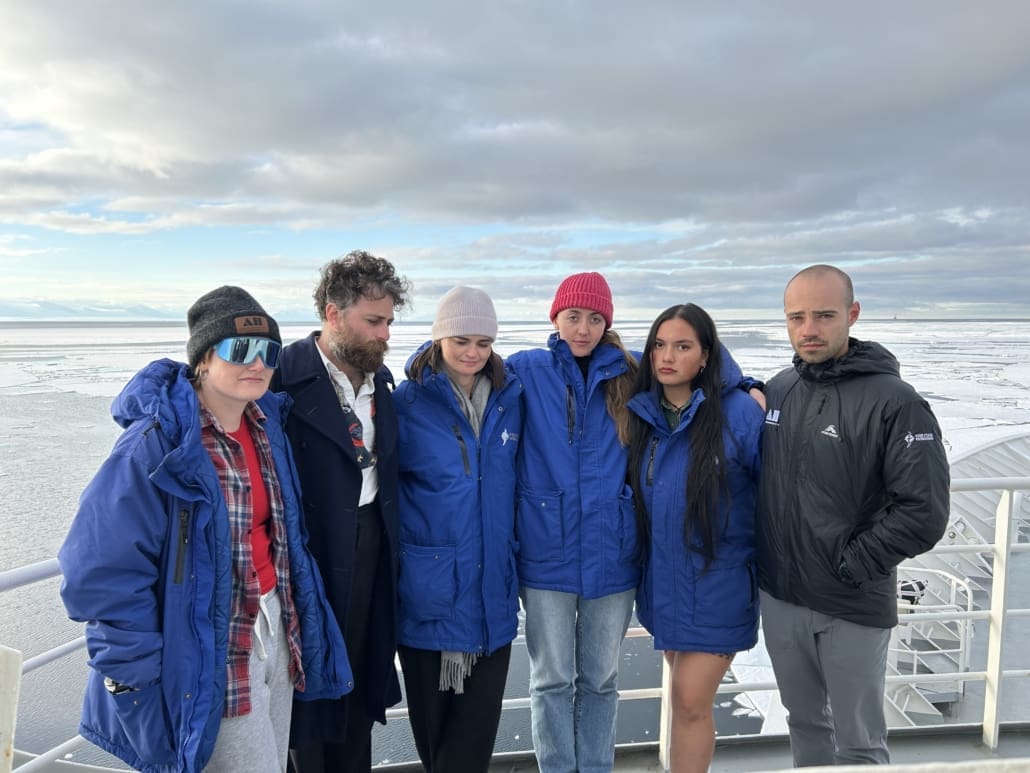
Follow a team of eight diverse rangatahi (young people) through their journey to the Ross Sea, Antarctica and venture inside the historic huts of legendary Antarctic explorers Scott and Shackleton.

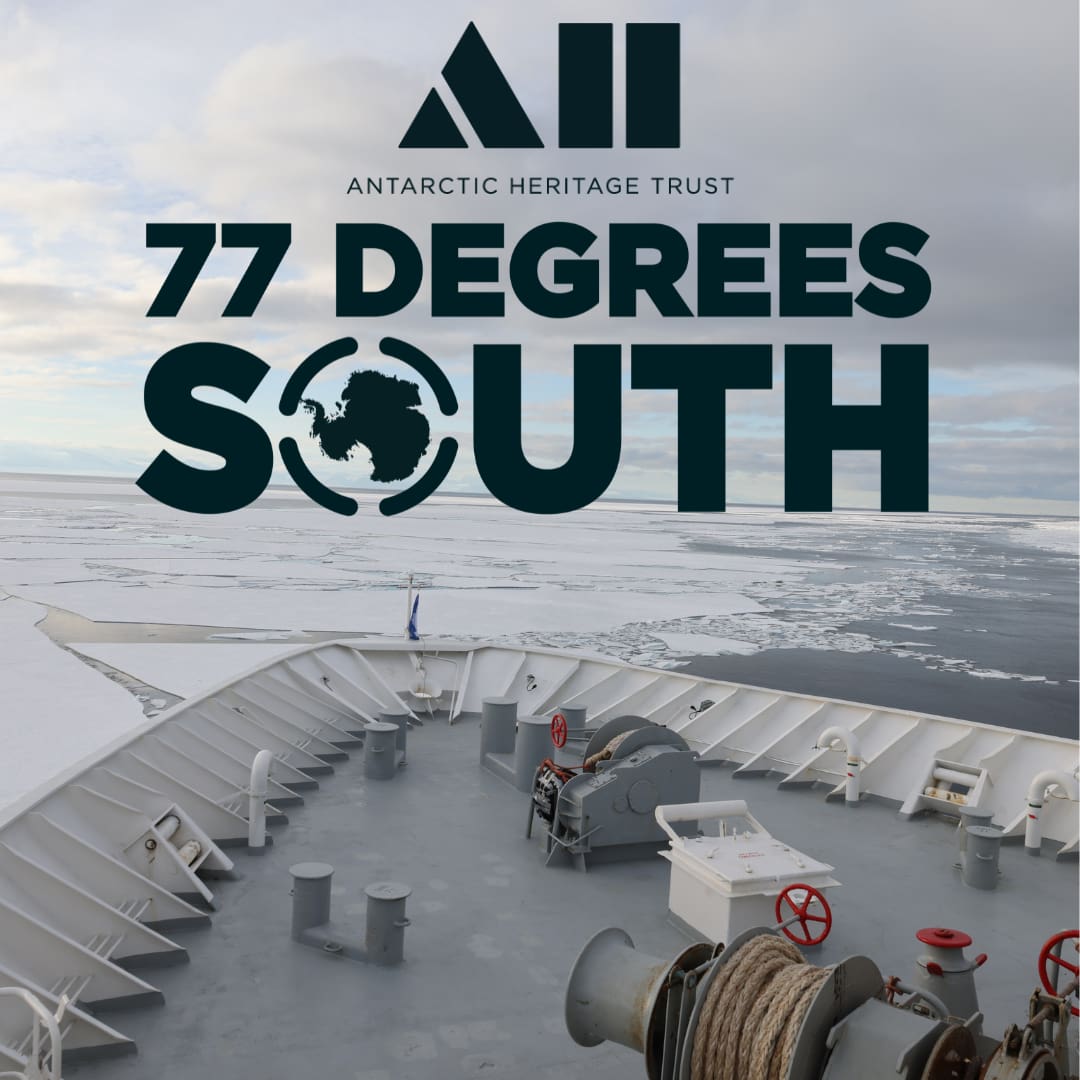
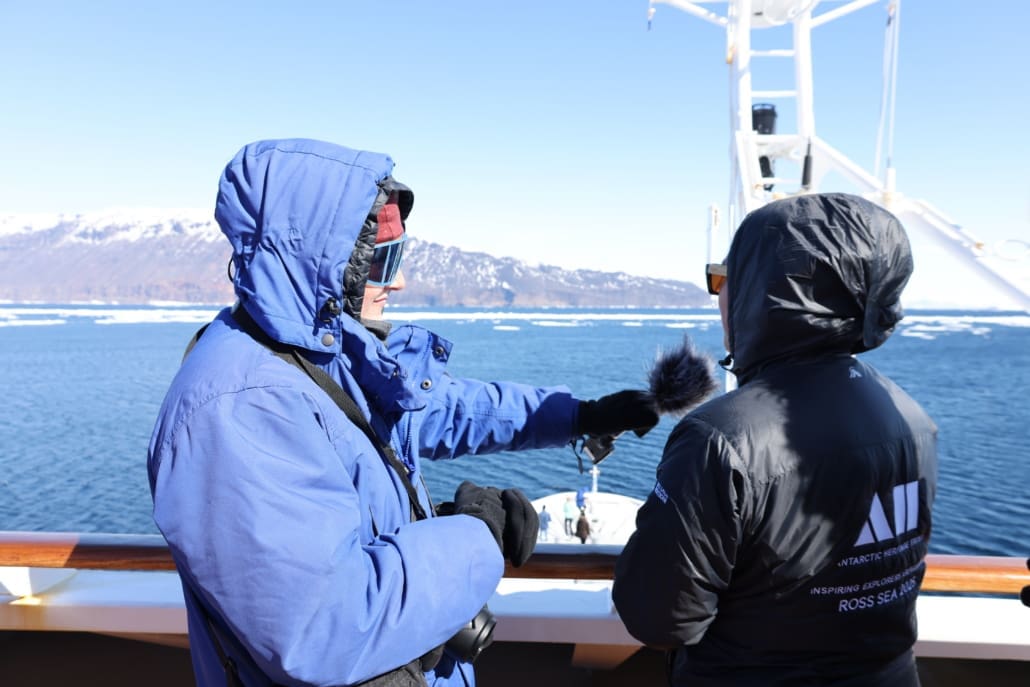
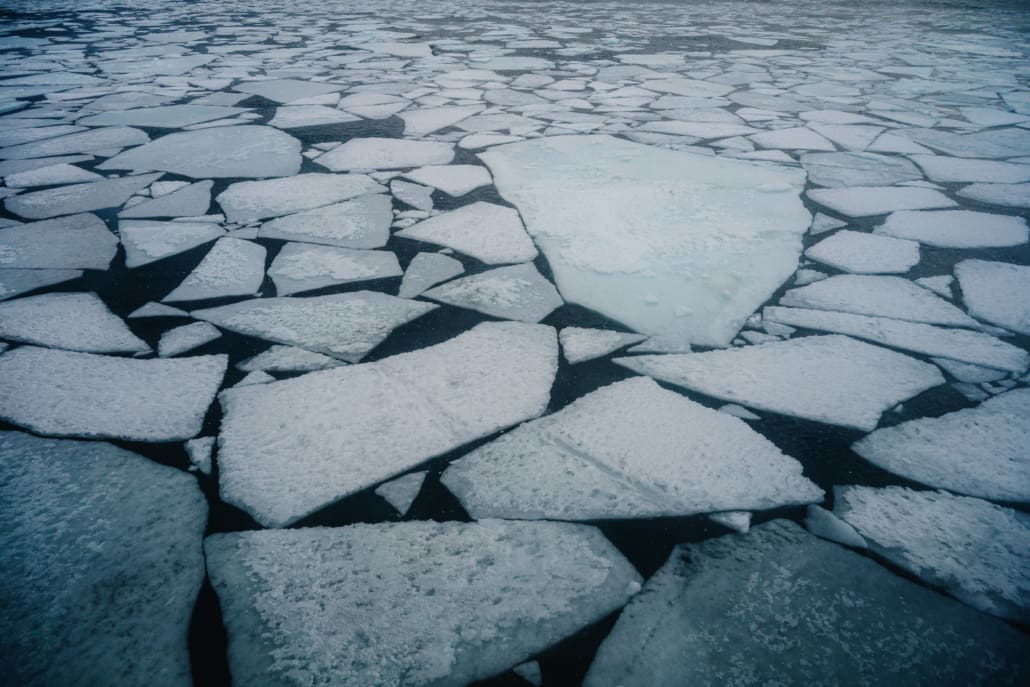
Their mission – to conserve and return a precious taonga (artefact), negotiating thick pack ice as they attempt to reach 77 degrees South, the location of Scott’s Discovery hut.

Following the Antarctic Heritage Trust’s 2025 Inspiring Explorers Expedition™, this series captures the team’s discoveries and emotions as they explore the icy continent.

They learn what it takes to care for Antarctica’s extraordinary historic sites, and day by day a sense of responsibility begins to form for this fragile and beautiful place, and the legacy of exploration held there.

They leave as the next generation of kaitiaki (caretakers) for humanity’s shared history on the Ice and as advocates for the protection and future of Antarctica.

77 Degrees South has been created as part of Antarctic Heritage Trust’s Outreach programme, which allows participants unique opportunities to share their experiences with their communities on their return.
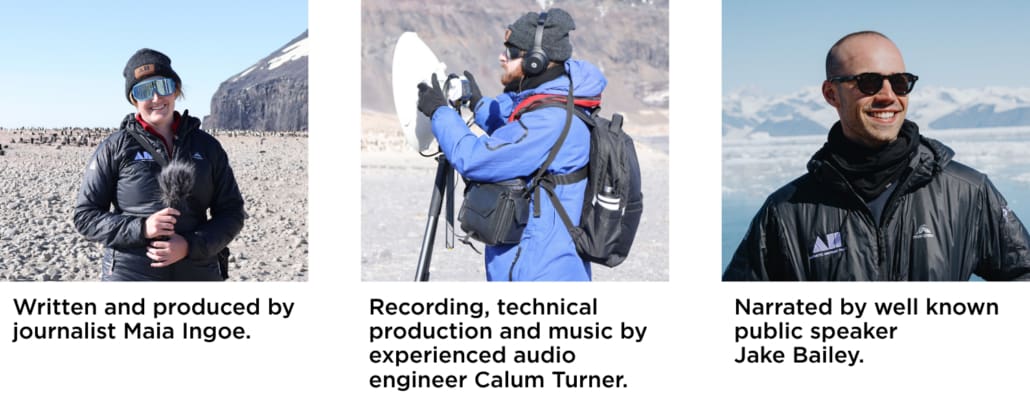
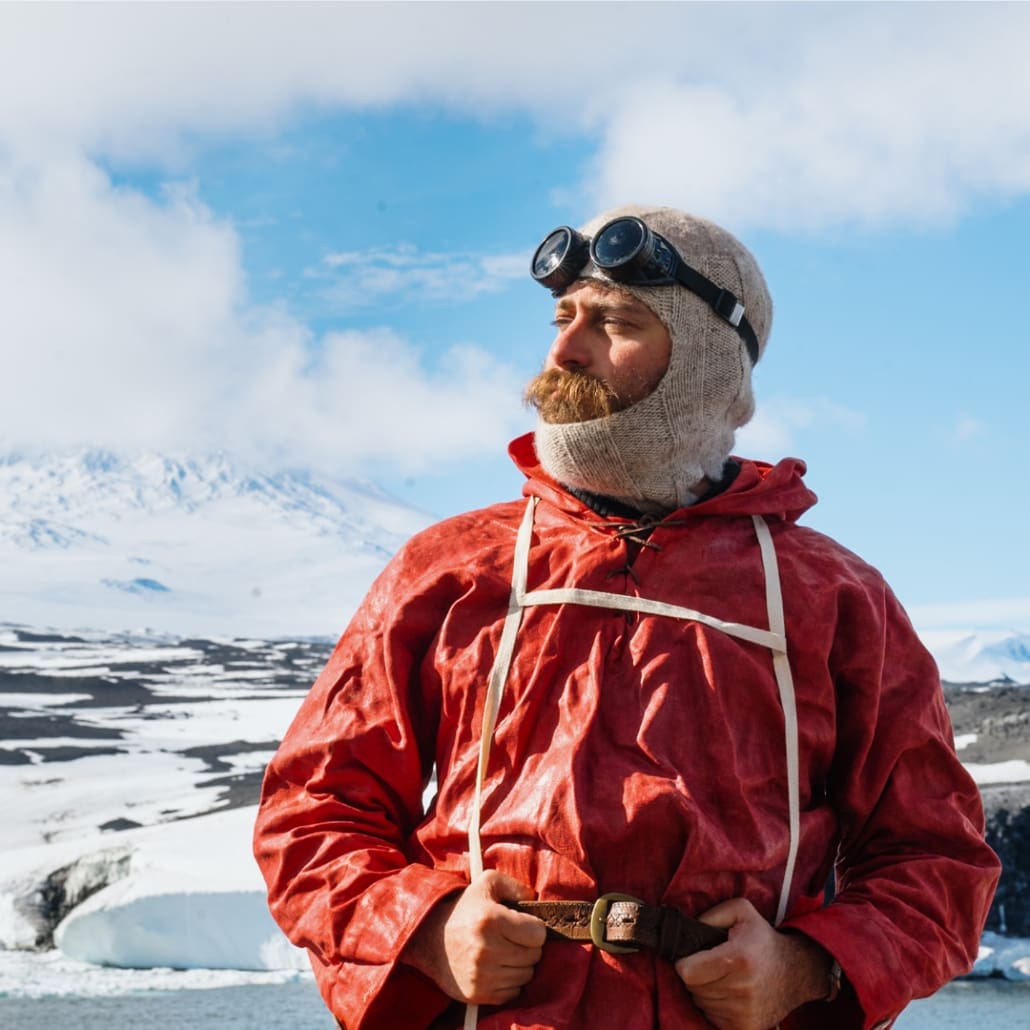
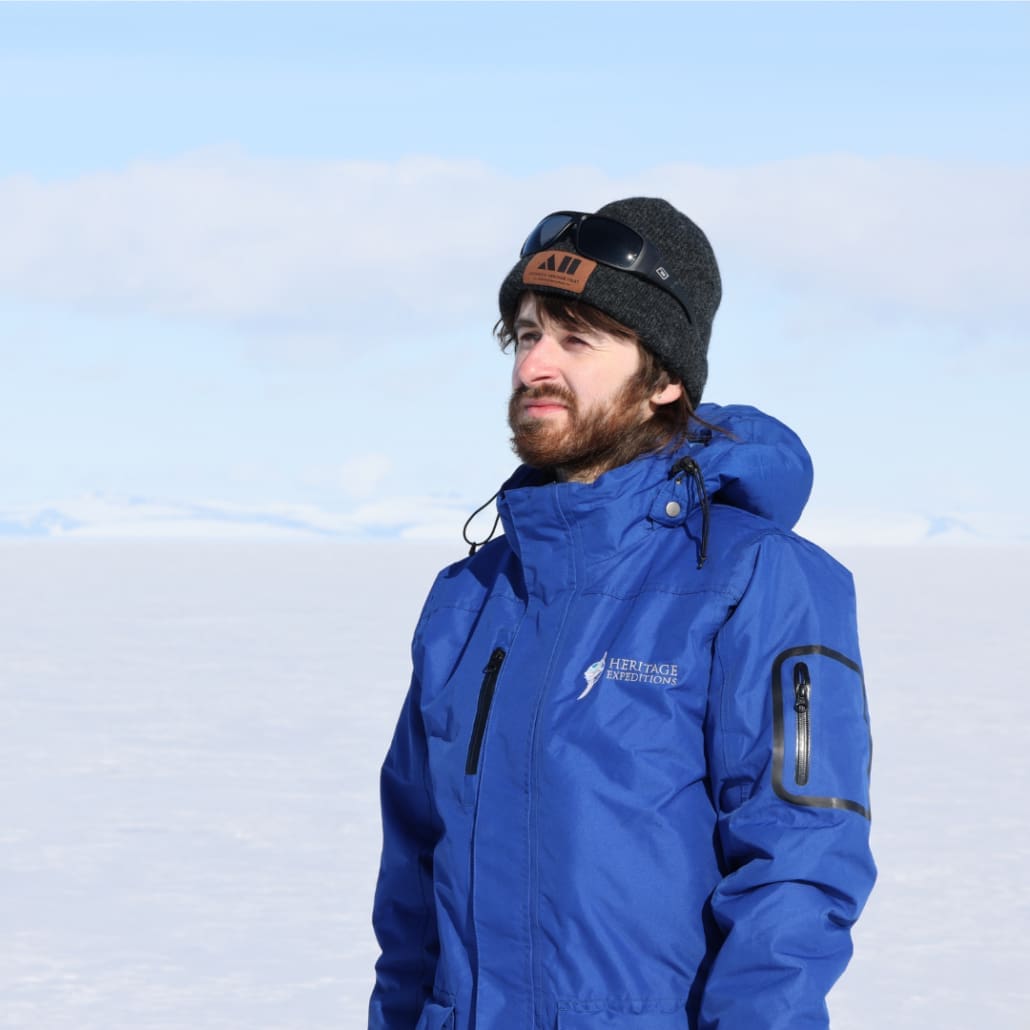
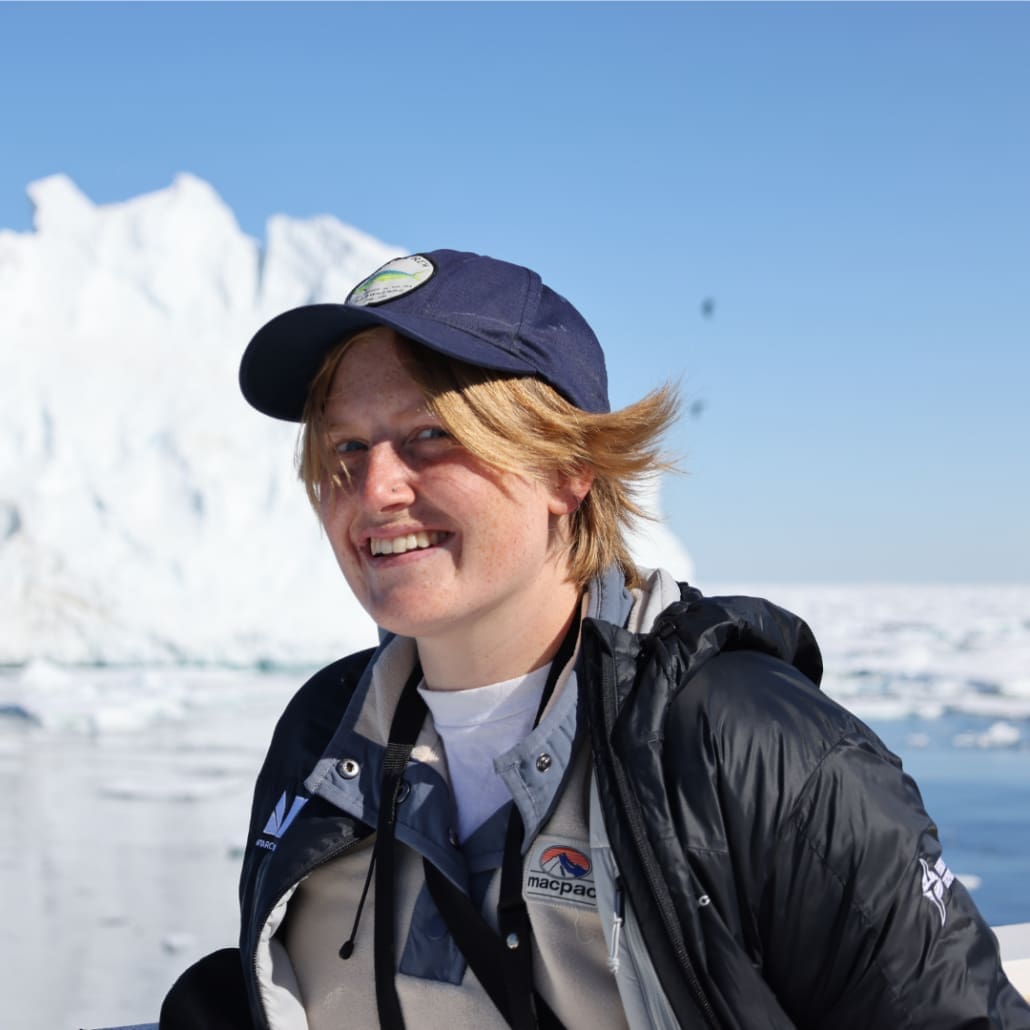
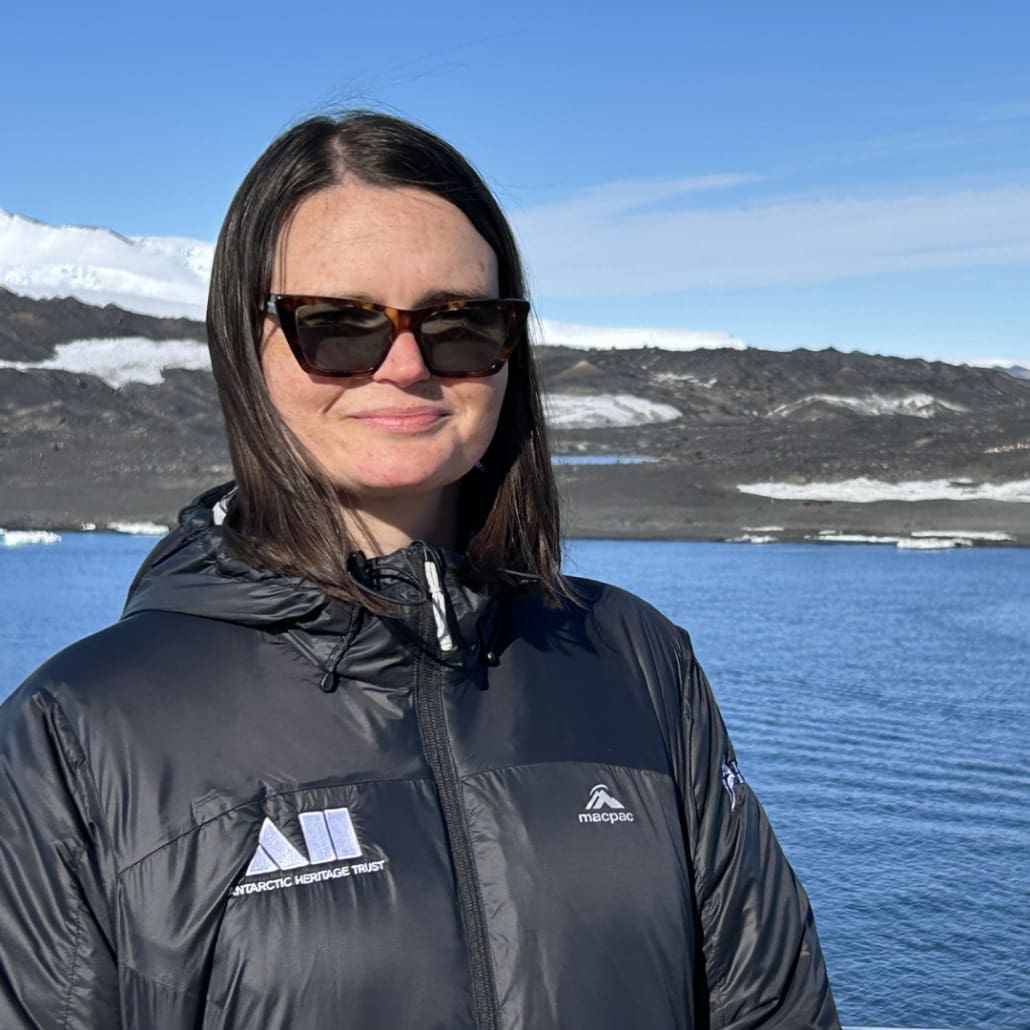
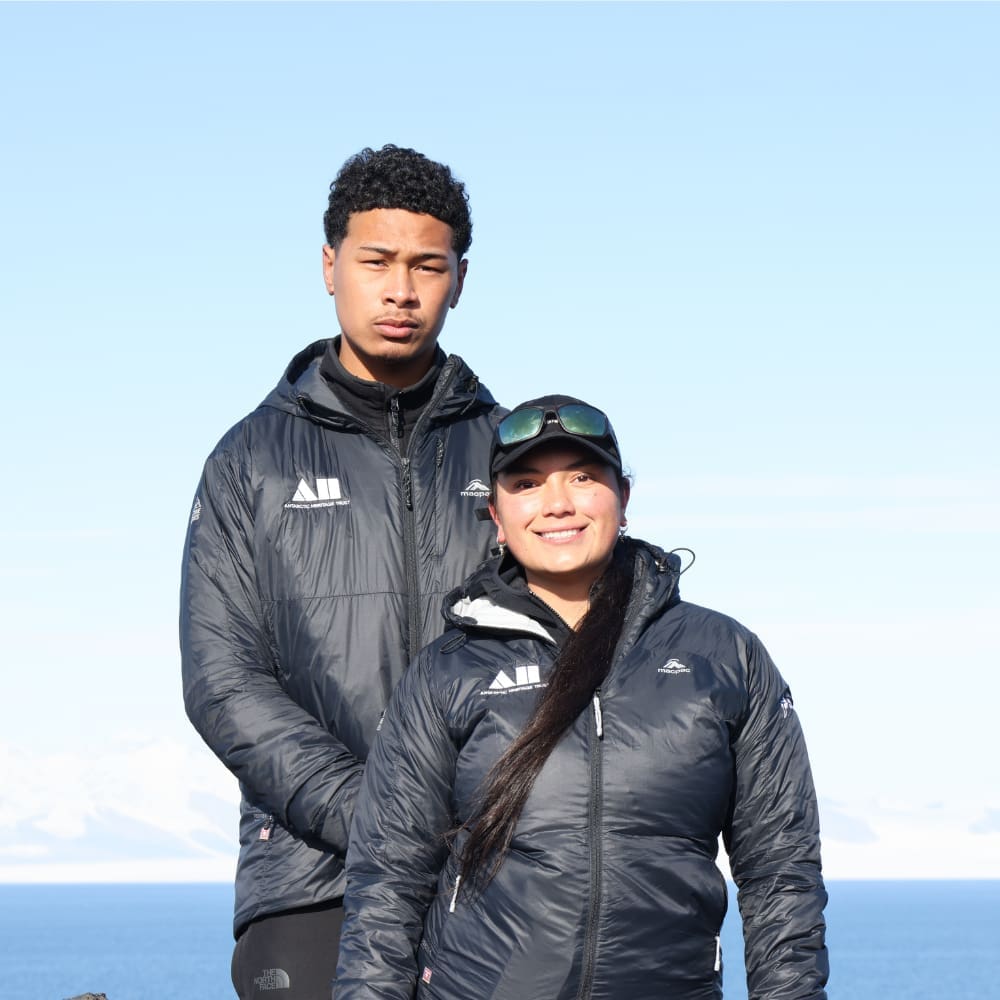
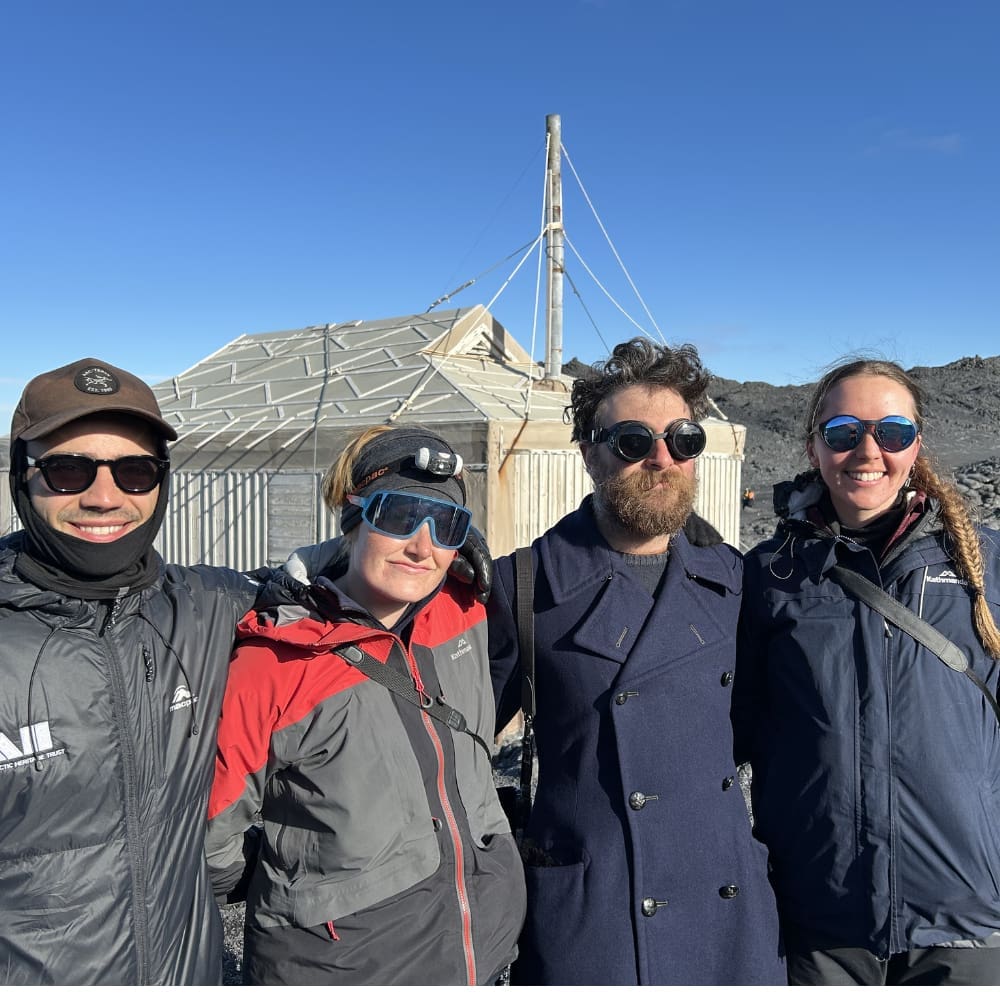
MEET THE TEAM

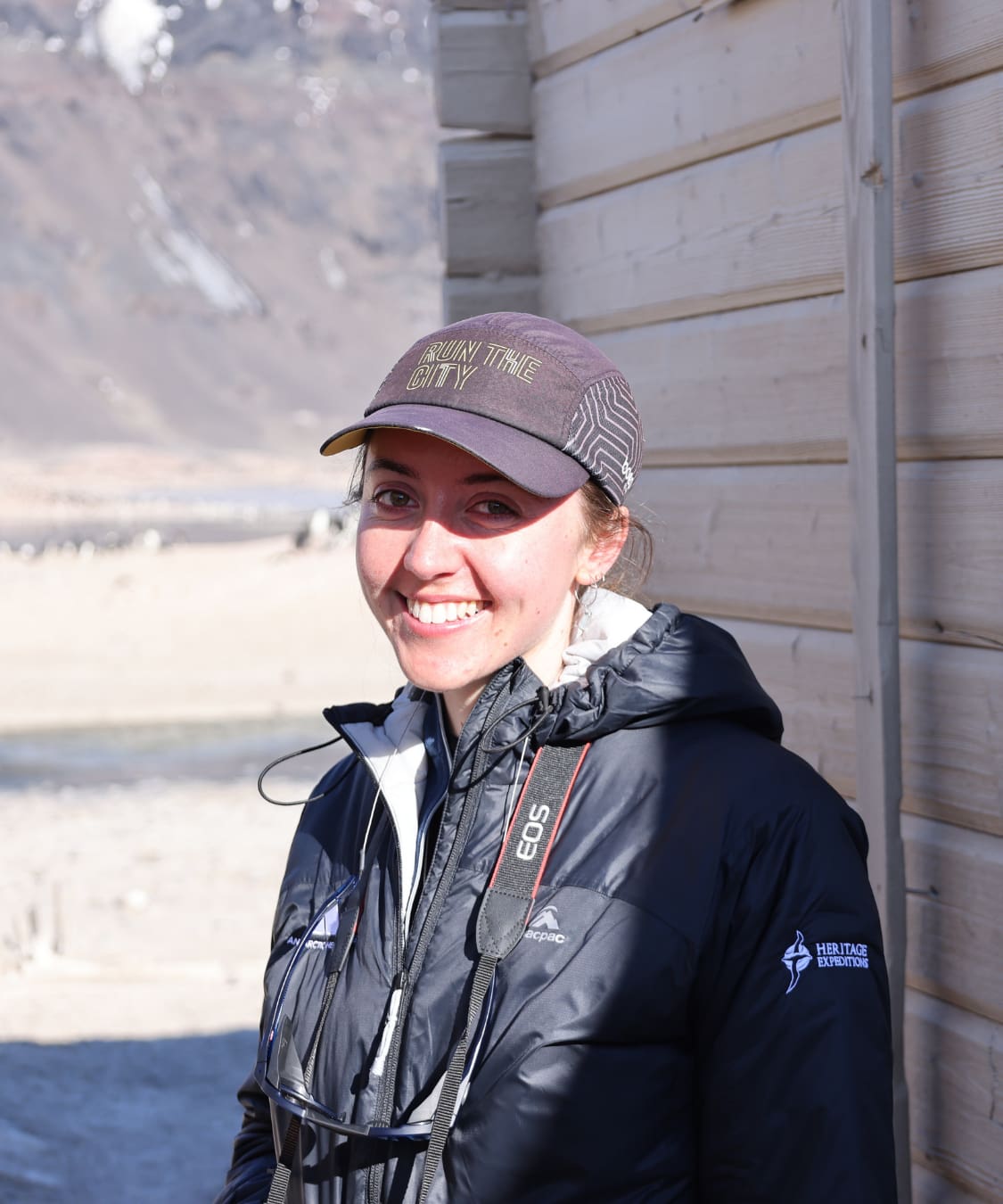
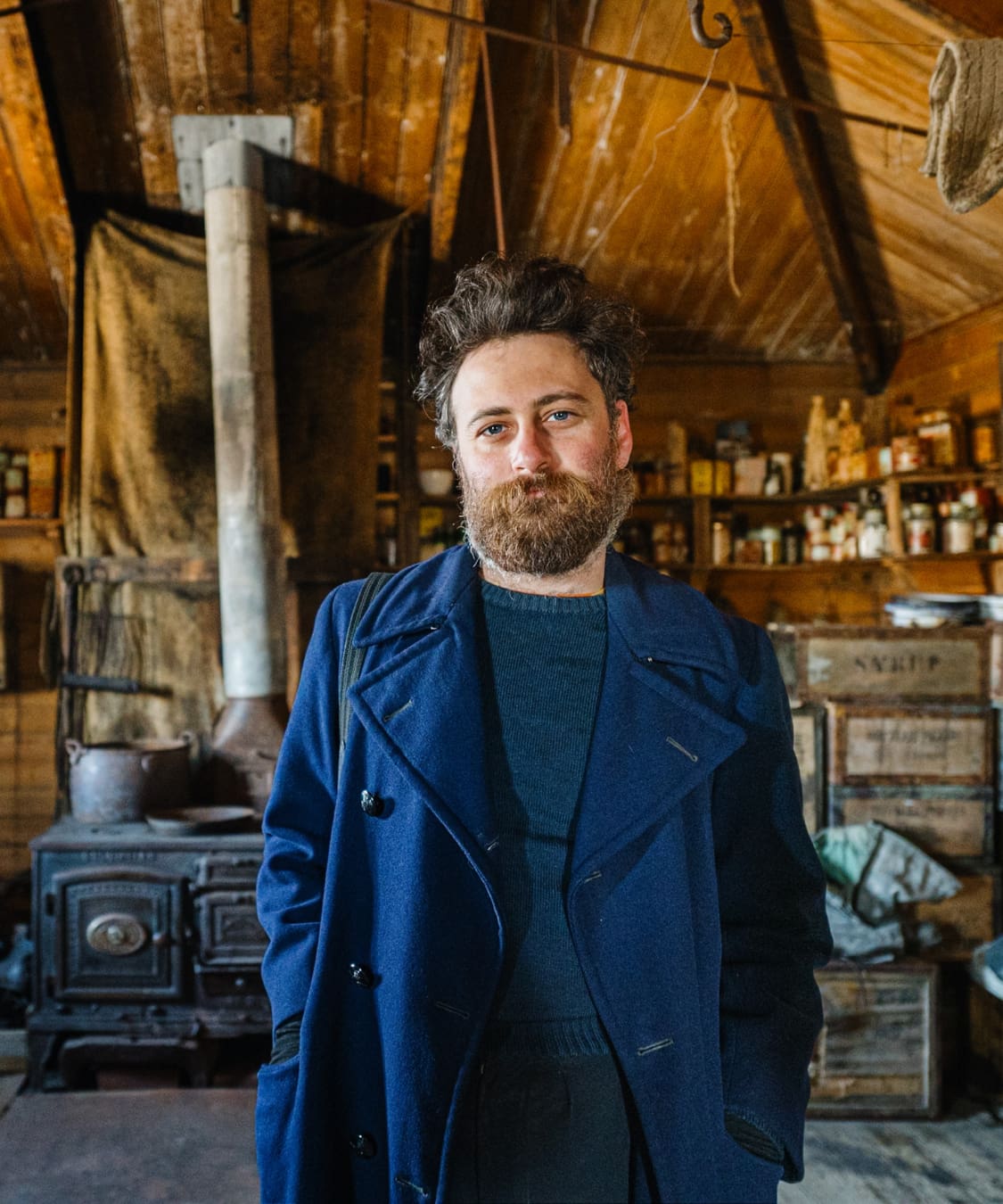
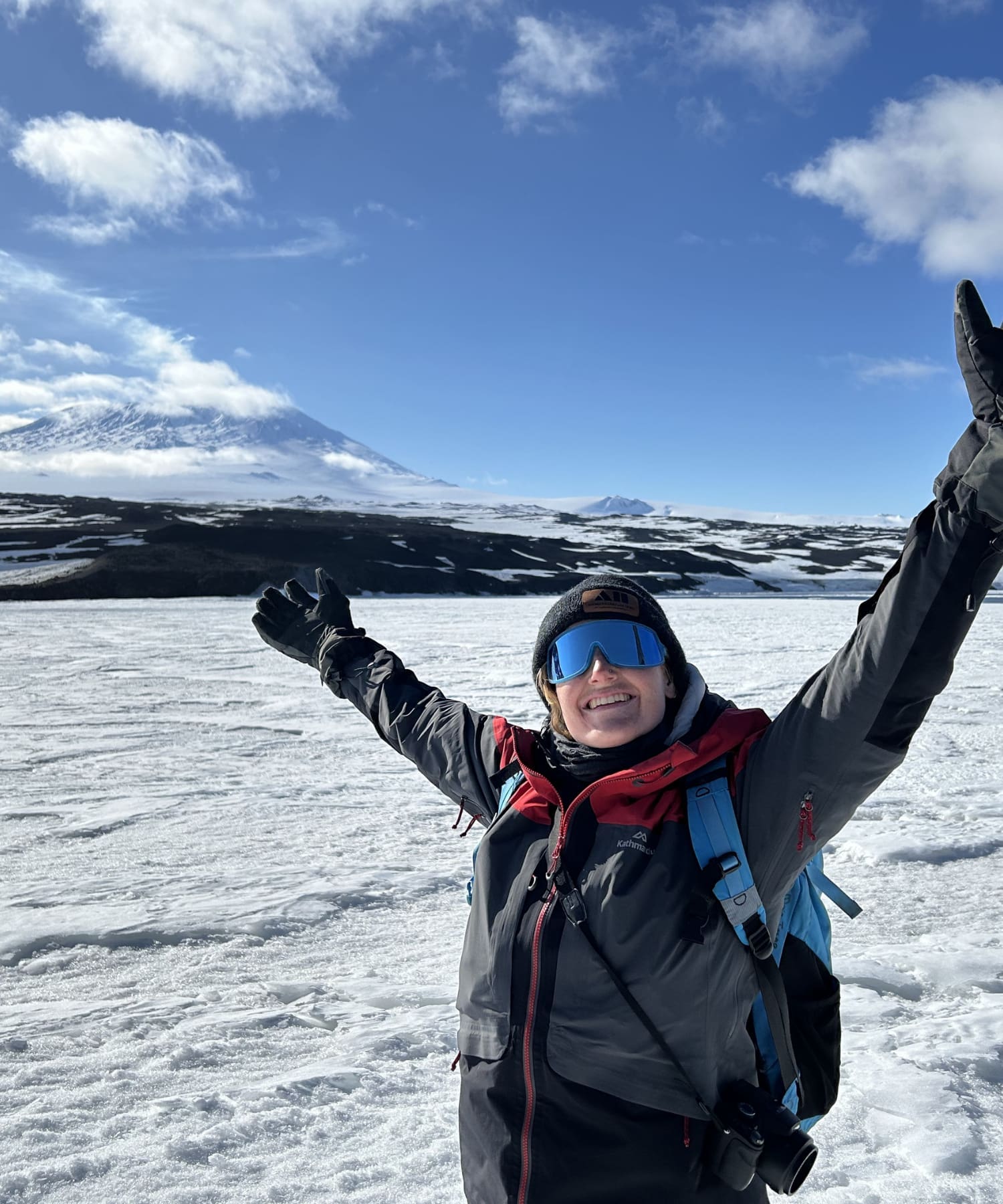
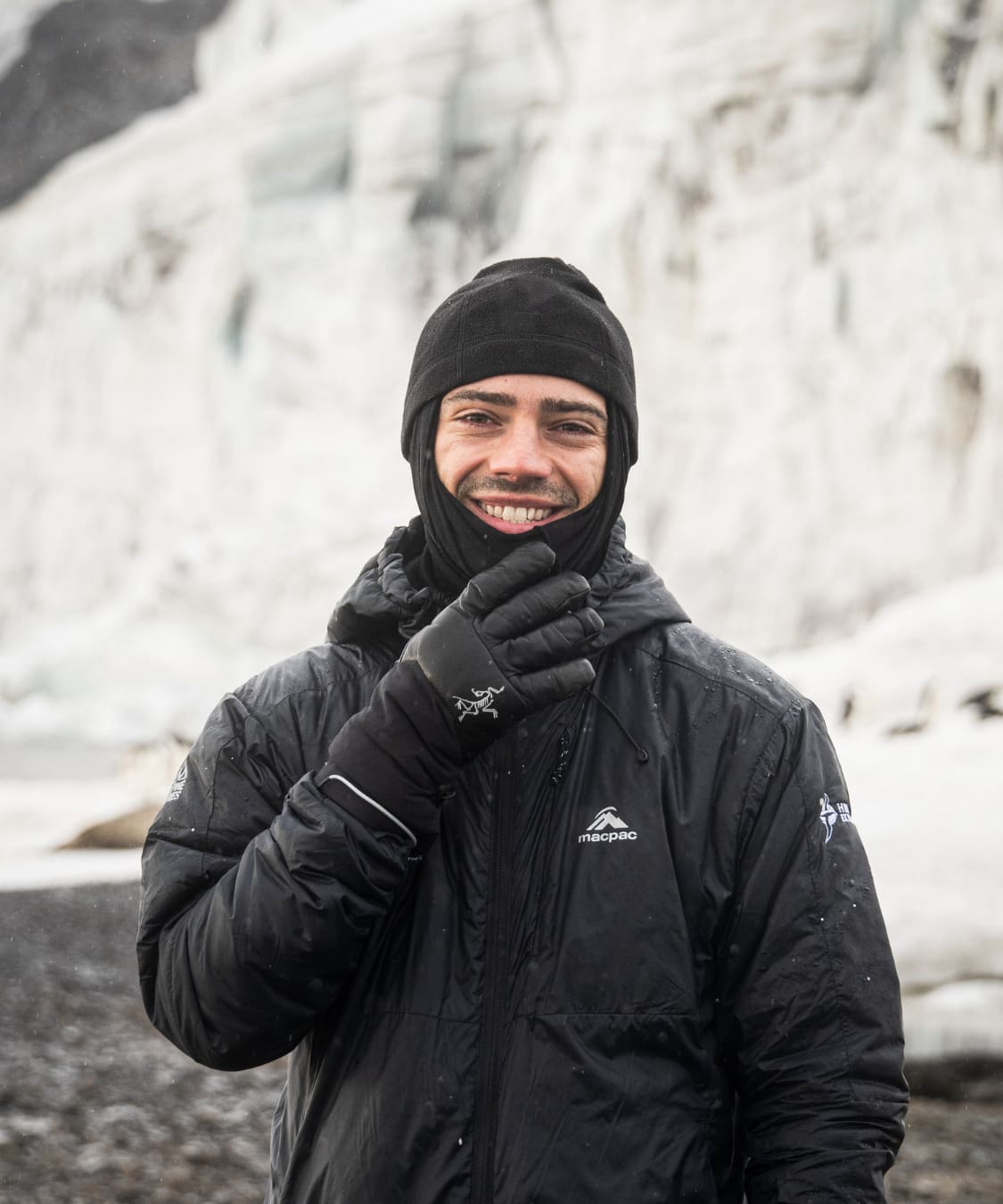
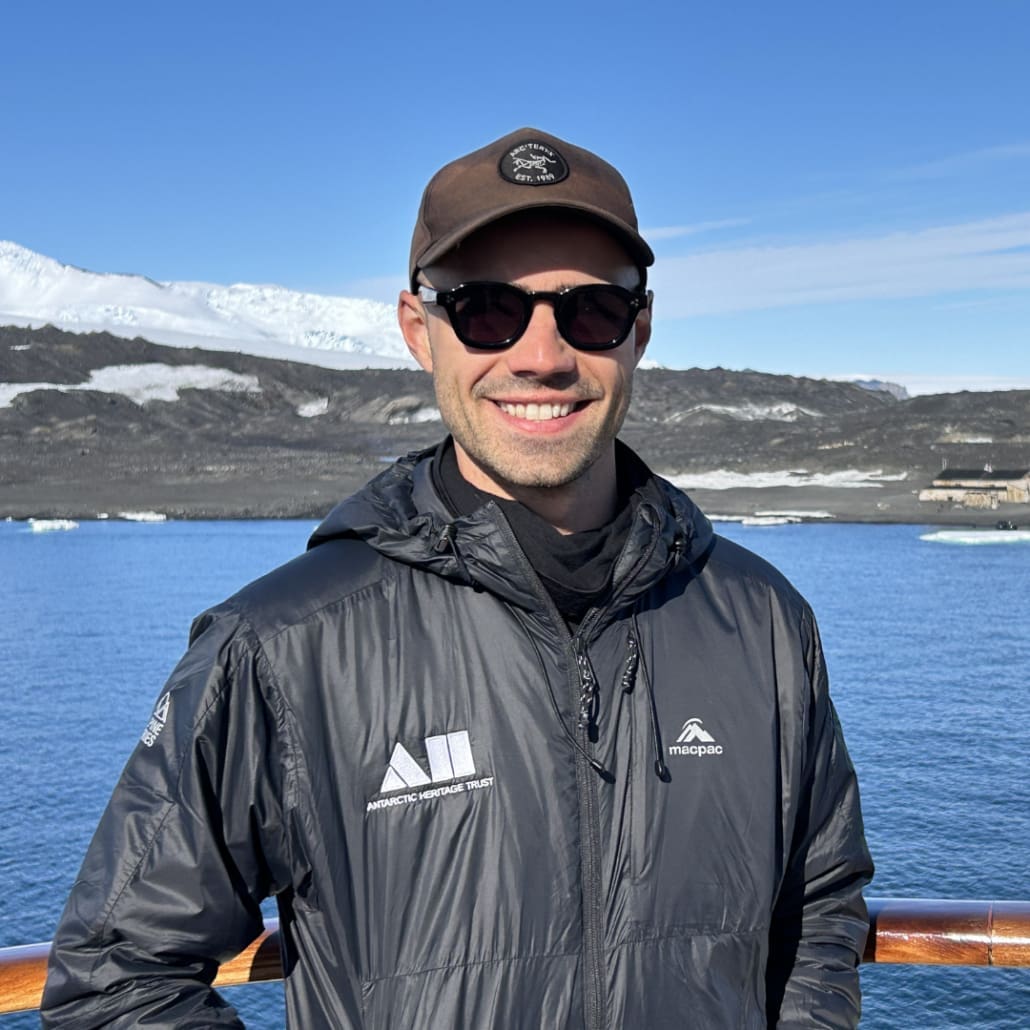
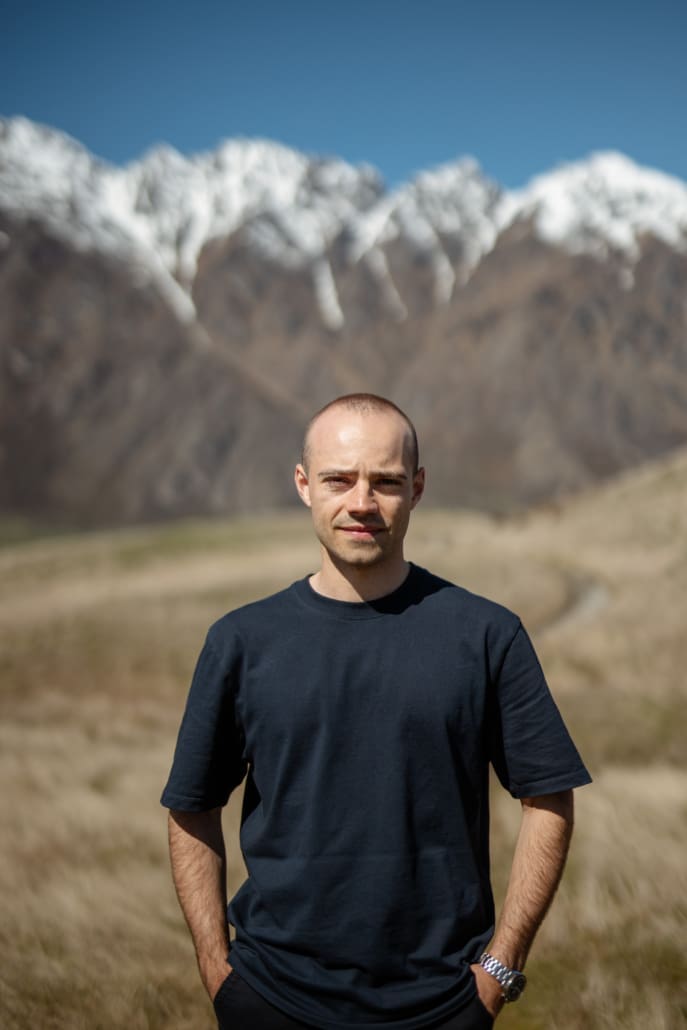
  • Calum Turner

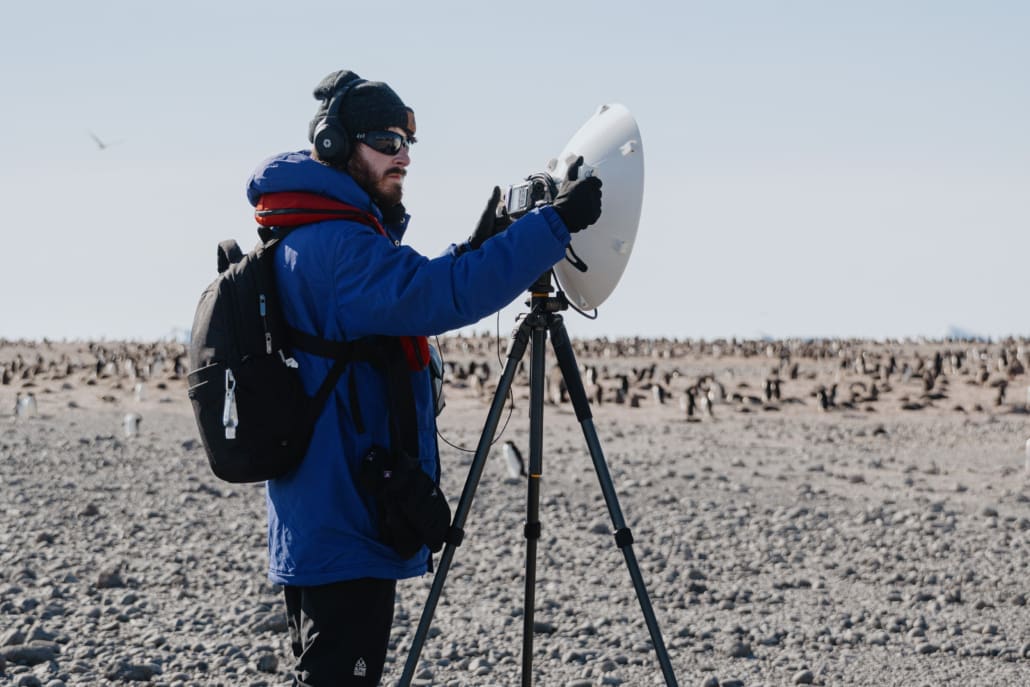
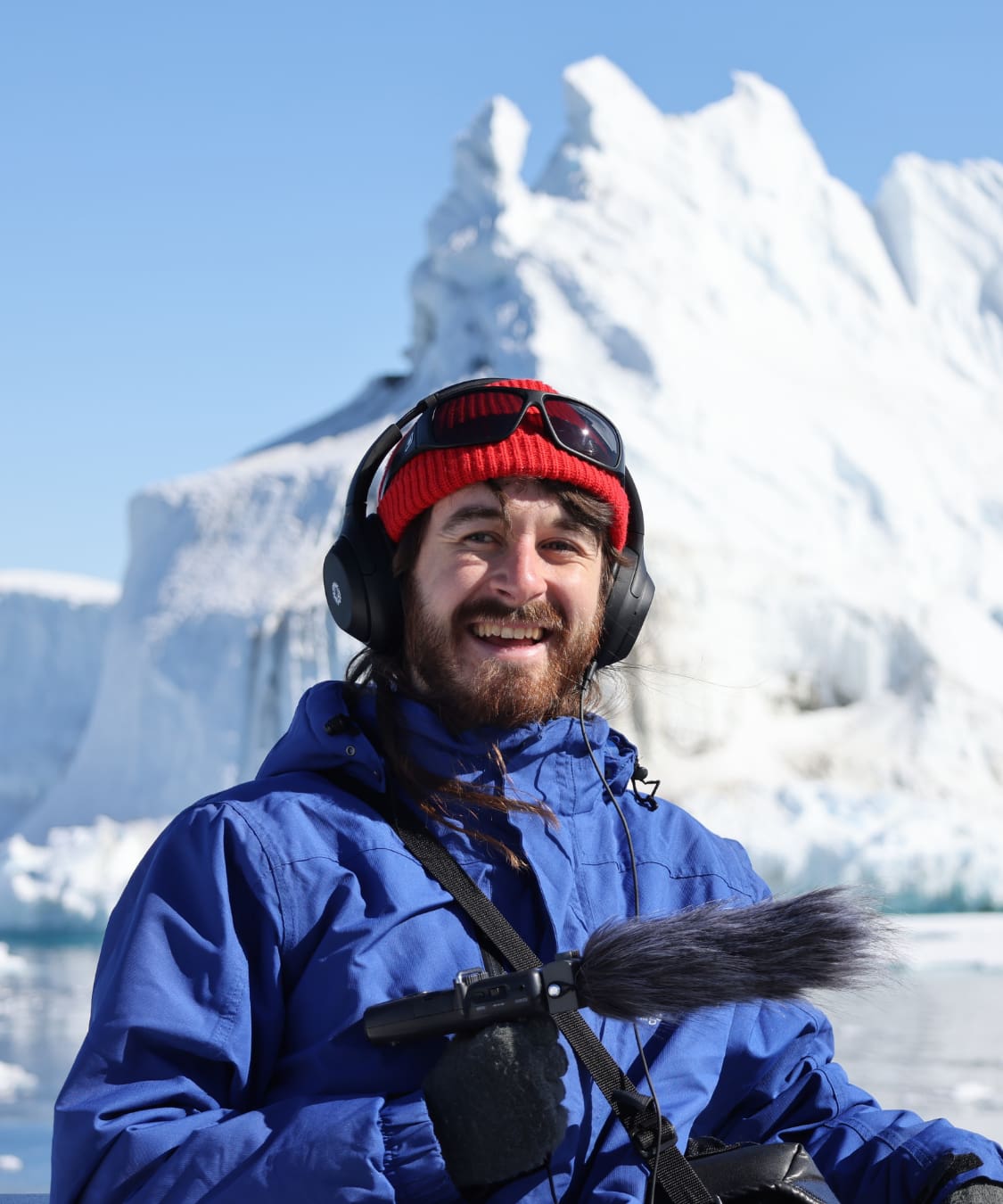
    As a member of the band Grains, Calum channels his artistic energy into music, with a particular interest in sound design and audio recording. You’re likely to find him out and about looking for interesting sounds. Calum grew up in Whakatū (Nelson) and now lives in Te-Whanganui-a-Tara (Wellington).

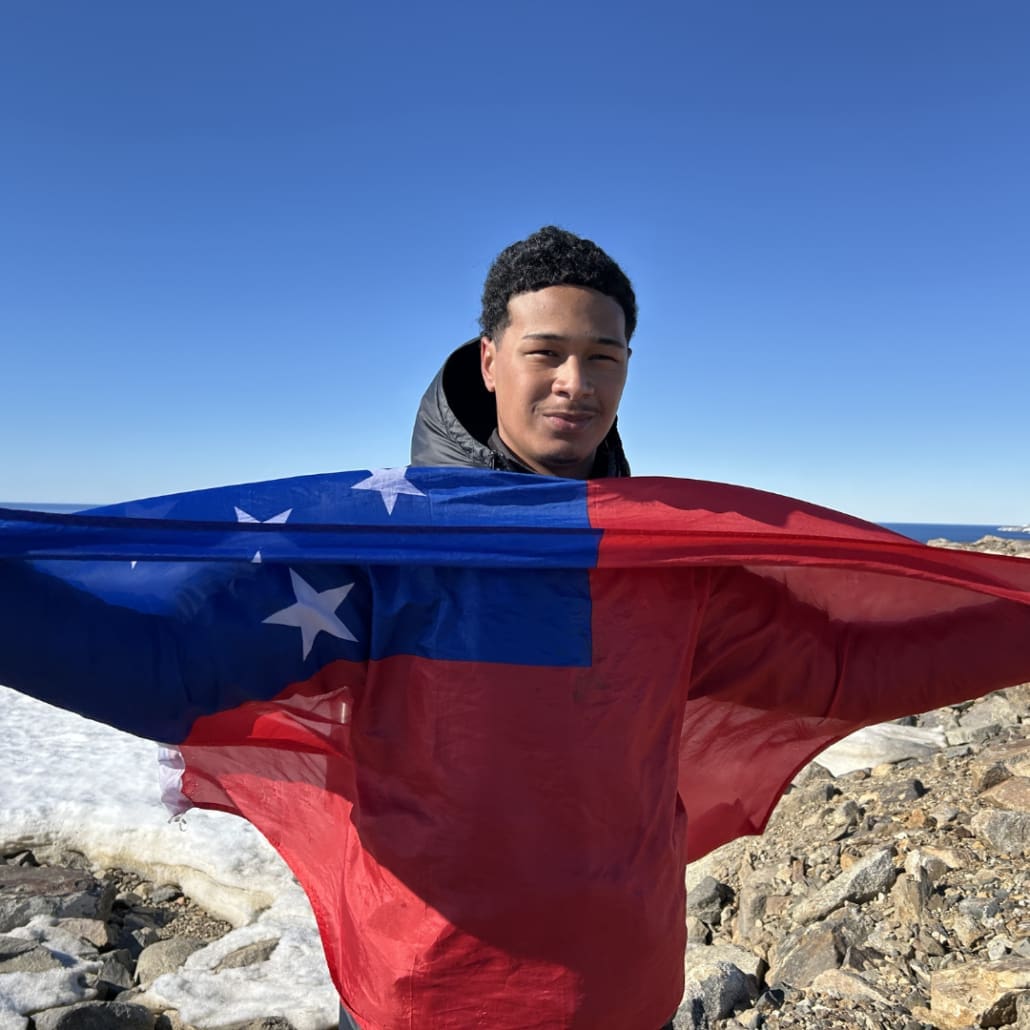
  • Kitiona “Billy” Pelasio

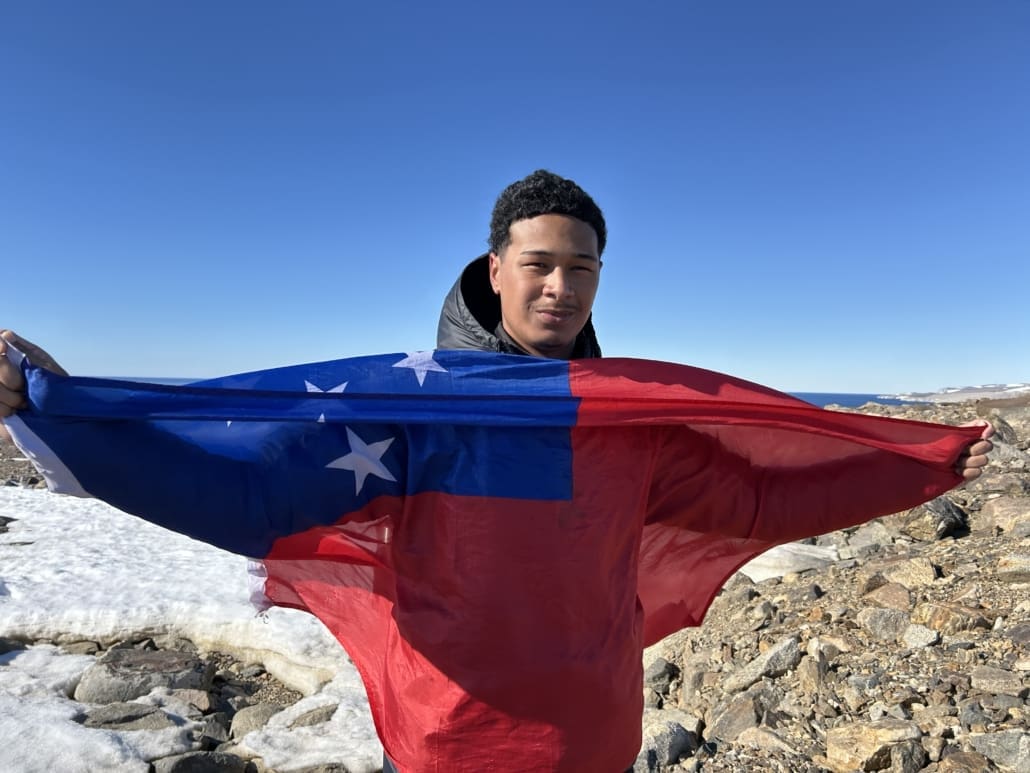
    As the expedition departed in 2025, Kitiona was about to start his last year of high school as Head Boy at Sir Edmund Hillary Collegiate. He speaks two languages, English and Samoan and enjoys sports. Kitiona is from Tāmaki Makaurau (Auckland).

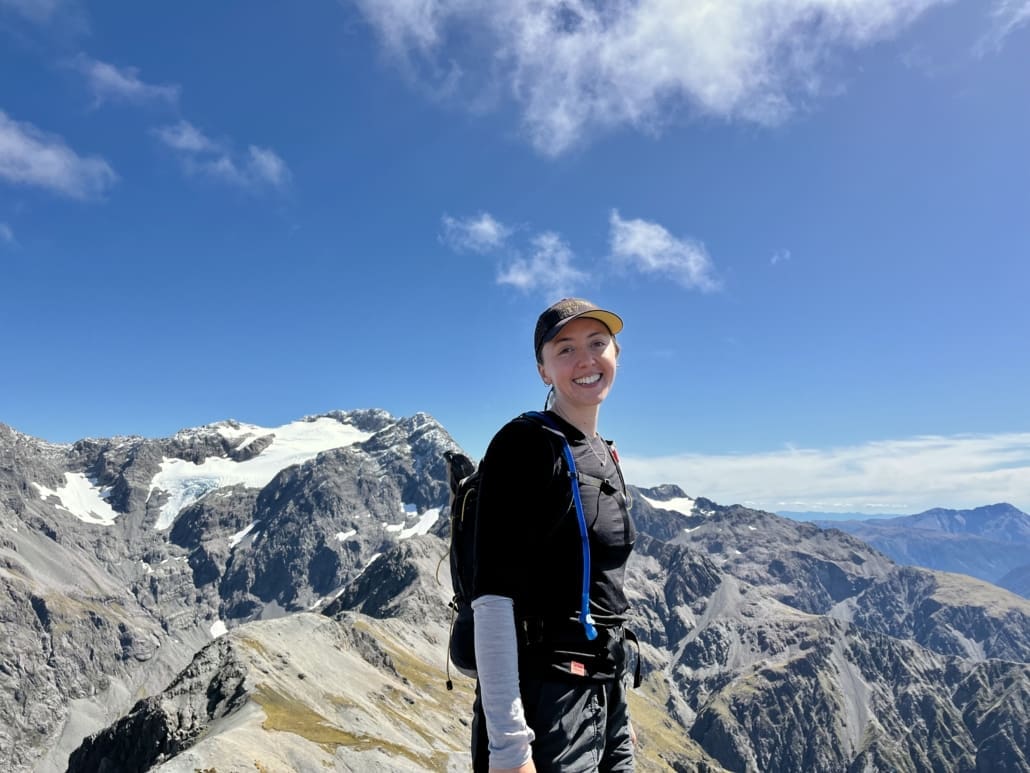
  • Louise Piggin

    A Conservation Technician at Canterbury Museum, Louise cares for their collection and helps to share stories about New Zealand’s past. Louise lives in Ōtautahi (Christchurch).

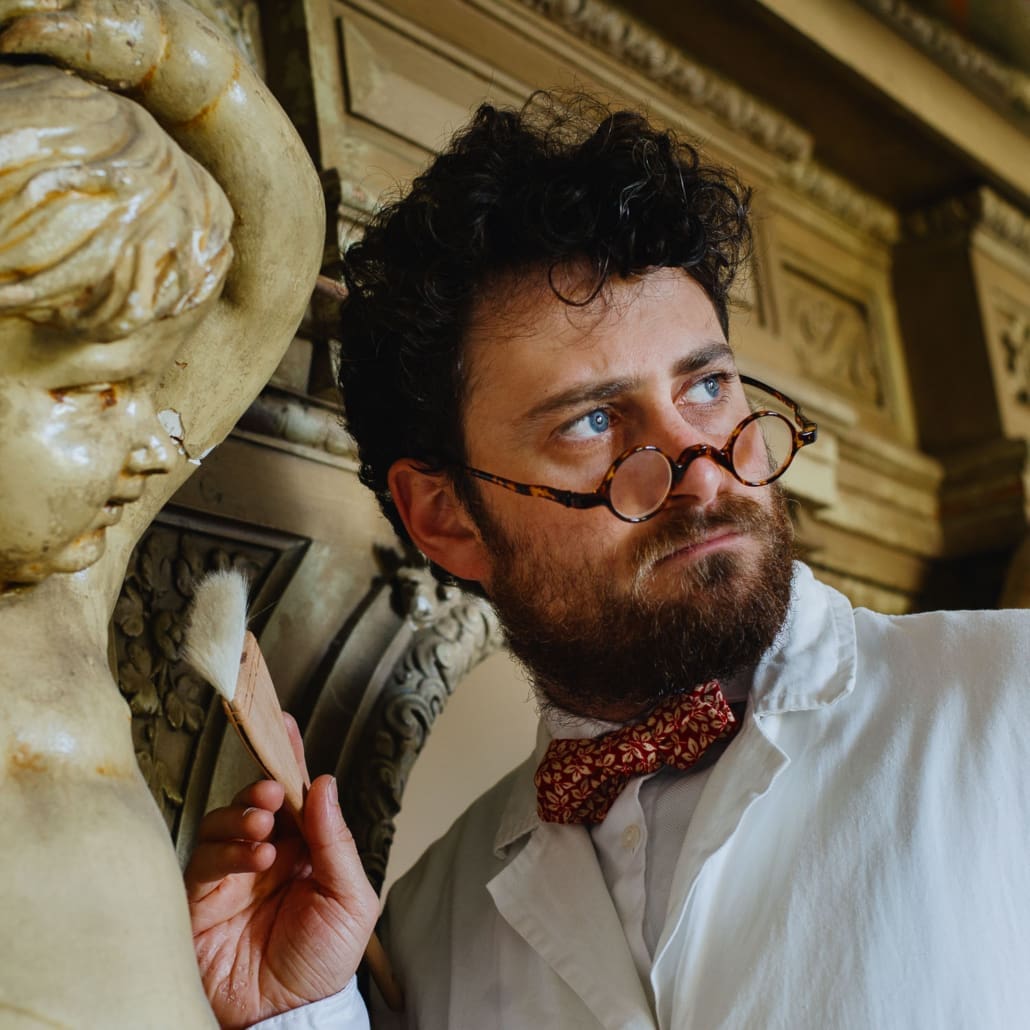
  • Daniel Bornstein

    A conservator at the National Museum of Australia, with a degree in photography, Daniel’s love for Antarctica was ignited while working with original heroic era photographs. Daniel is from Melbourne, Australia and now works in Canberra, Australia.

  • Maia Ingoe

    Passionate about bringing science to life to inspire and educate others, Maia is a journalist. She has worked as co-editor of Salient, contributed to national publications, and in RNZ’s Auckland newsroom. Maia grew up in Te Tairāwhiti (Gisborne) and now lives in Tāmaki Makaurau (Auckland).

  • Jake Bailey

    Having seen the impact resilience had after being diagnosed with cancer at 18, Jake studied positive psychology, becoming an educator on resilience, and the youngest #1 bestselling author in New Zealand history. Jake is from Ōtautahi (Christchurch).

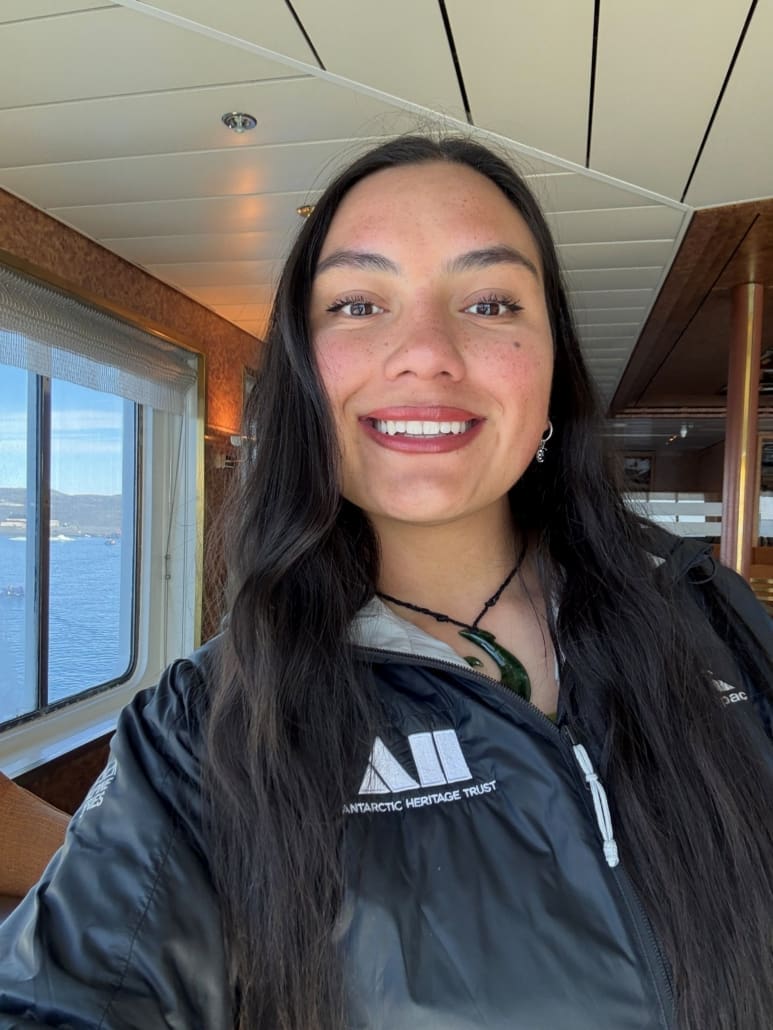
  • Ngawai Clendon

    Fluent in te reo Māori and New Zealand Sign Language, Ngawai is training to be a teacher with a goal to connect with diverse students regardless of their background or communication needs. Ngawai is from Rotorua and is currently studying in Te-Whanganui-a-Tara (Wellington).

  • Lucy Hayes-Stevenson

    With a Master of Architecture Conservation, Lucy is an integral part of the Antarctic Heritage Trust’s design team for the Ross Sea Heritage Restoration Project and works for Cheshire Architects. Lucy grew up in Ōtautahi (Christchurch) and now lives in Tāmaki Makaurau (Auckland).

1

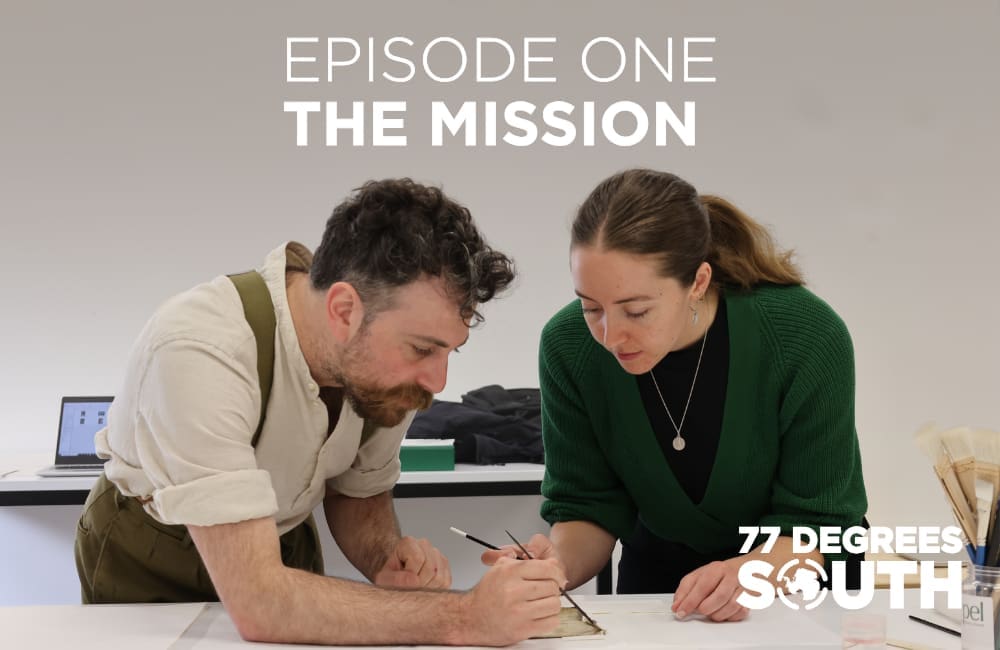
Episode 1
The Mission

Antarctic Heritage Trust
2

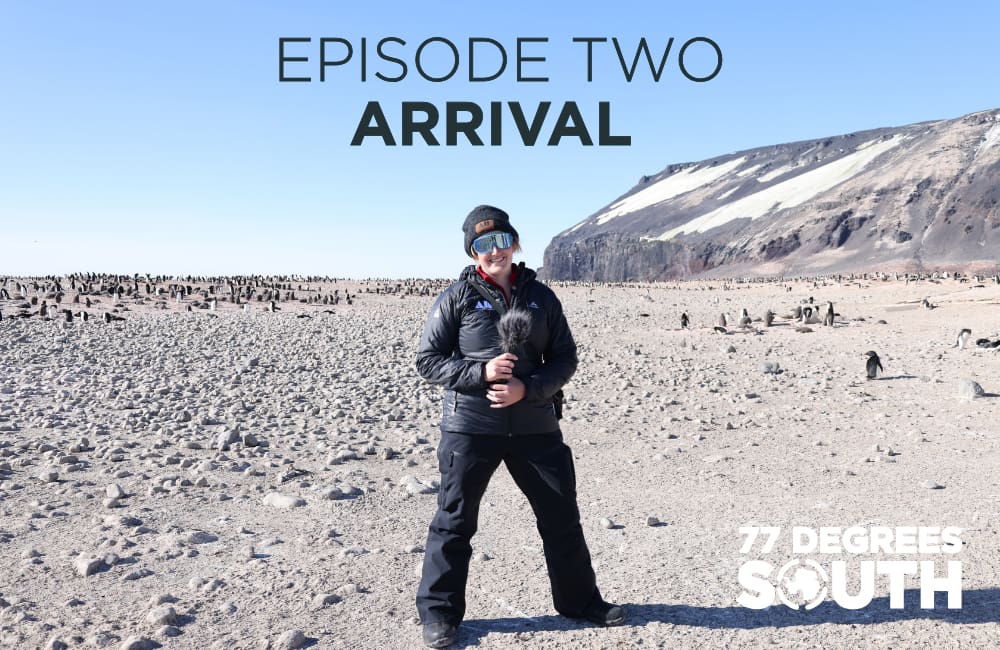
Episode 2
Arrival

Antarctic Heritage Trust
3

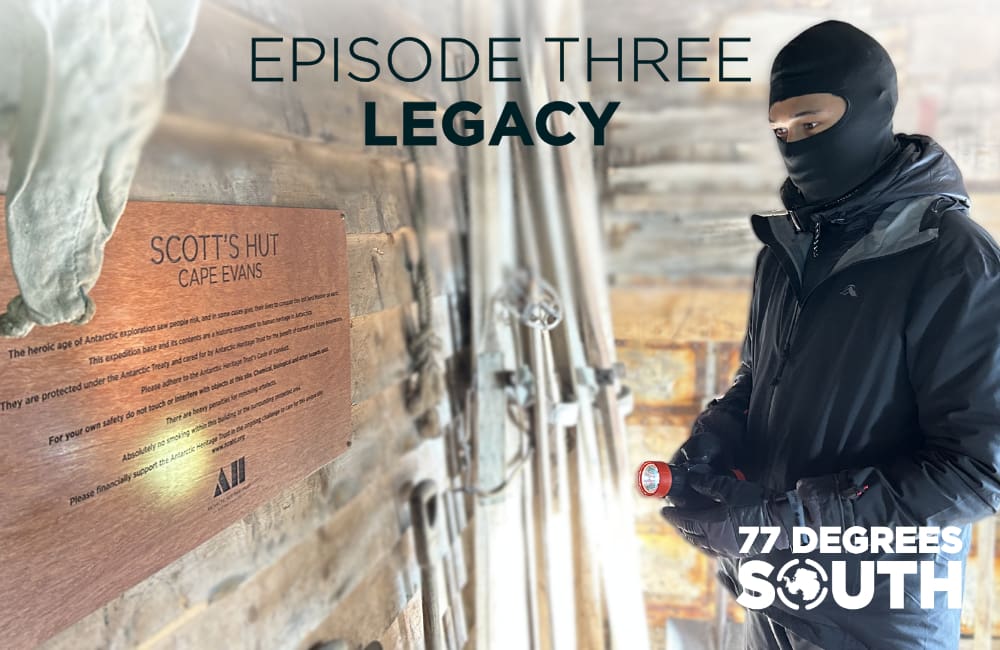
Episode 3
Scott’s Legacy

Antarctic Heritage Trust
4

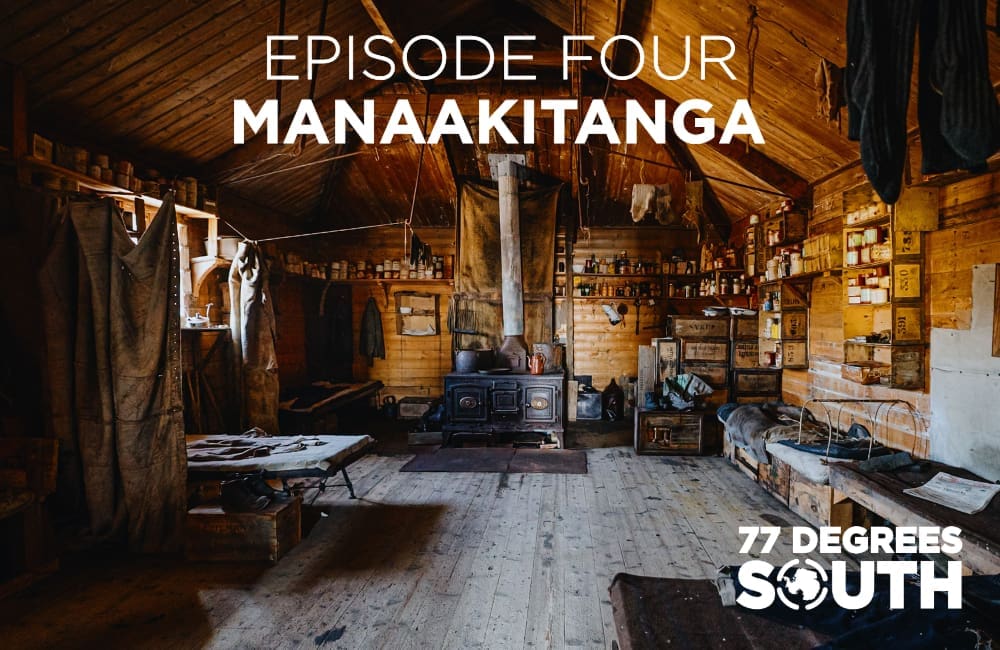
Episode 4
Manaakitanga

Antarctic Heritage Trust
5

Episode 5
Discovery

Antarctic Heritage Trust
6

Episode 6
Spirit of Place

Antarctic Heritage Trust

Join the team as they meet each other for the first time and learn about the important task entrusted to them, conserving and returning a historic artefact to Antarctica.
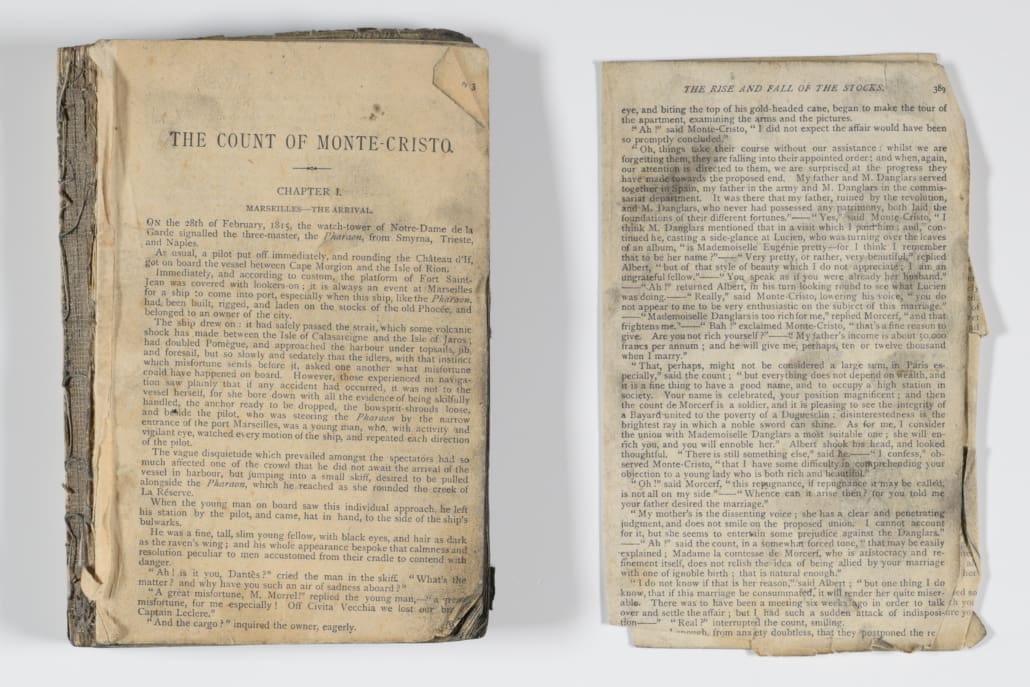
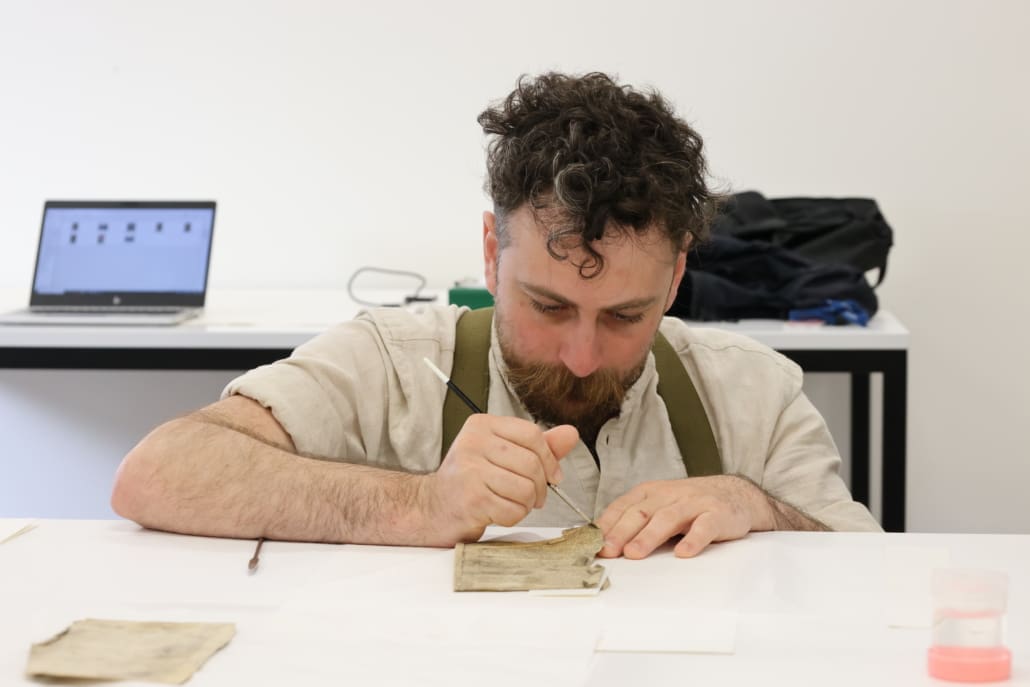
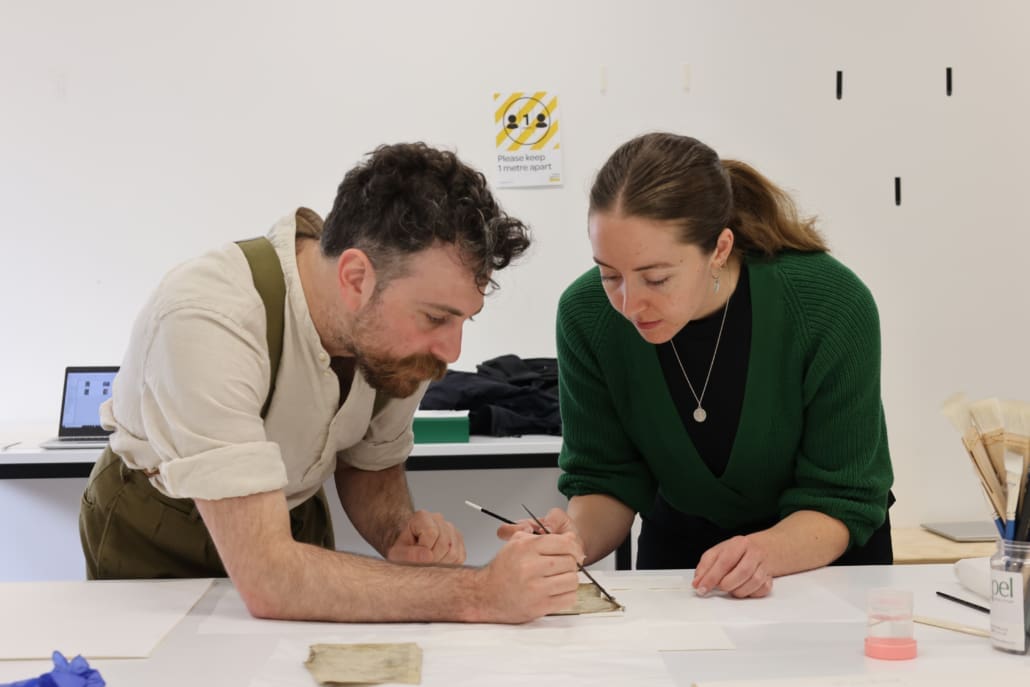
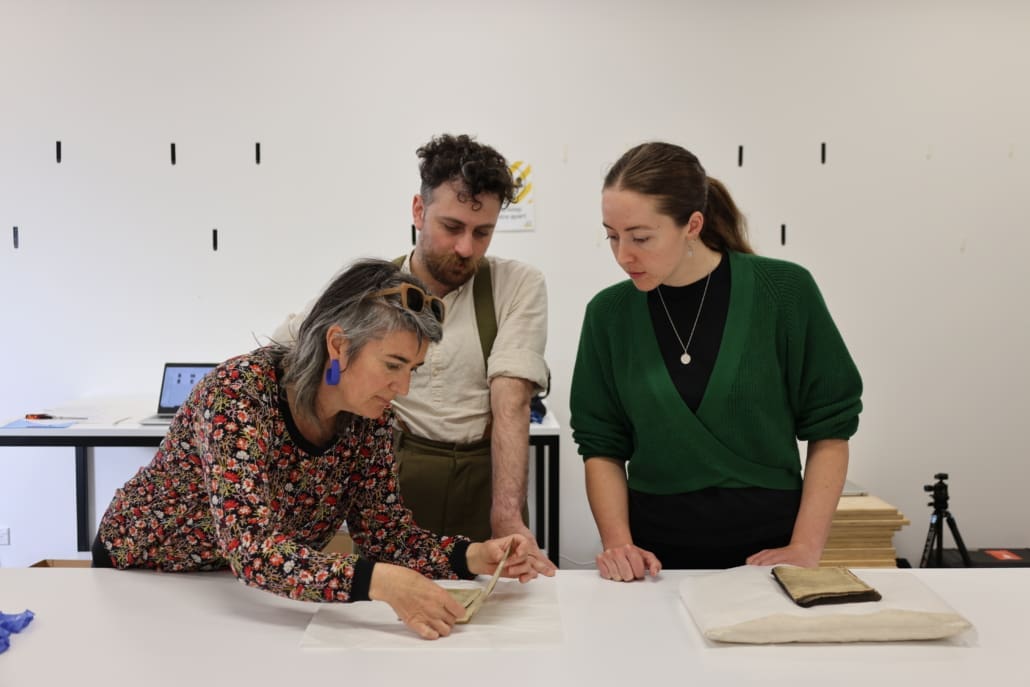
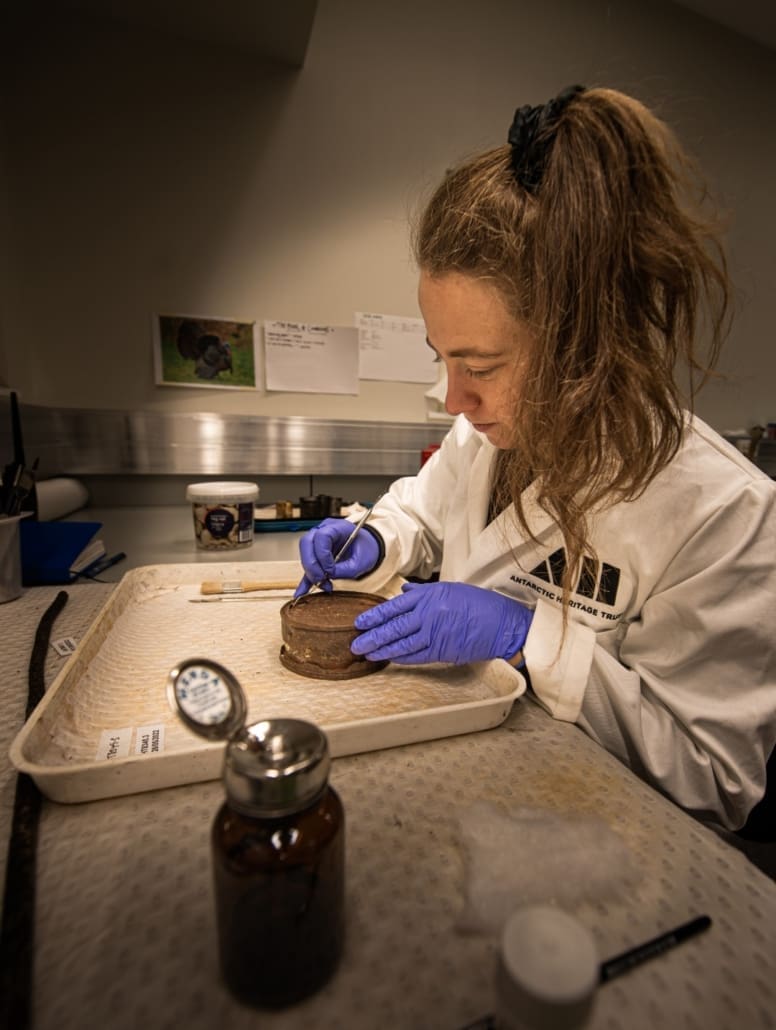
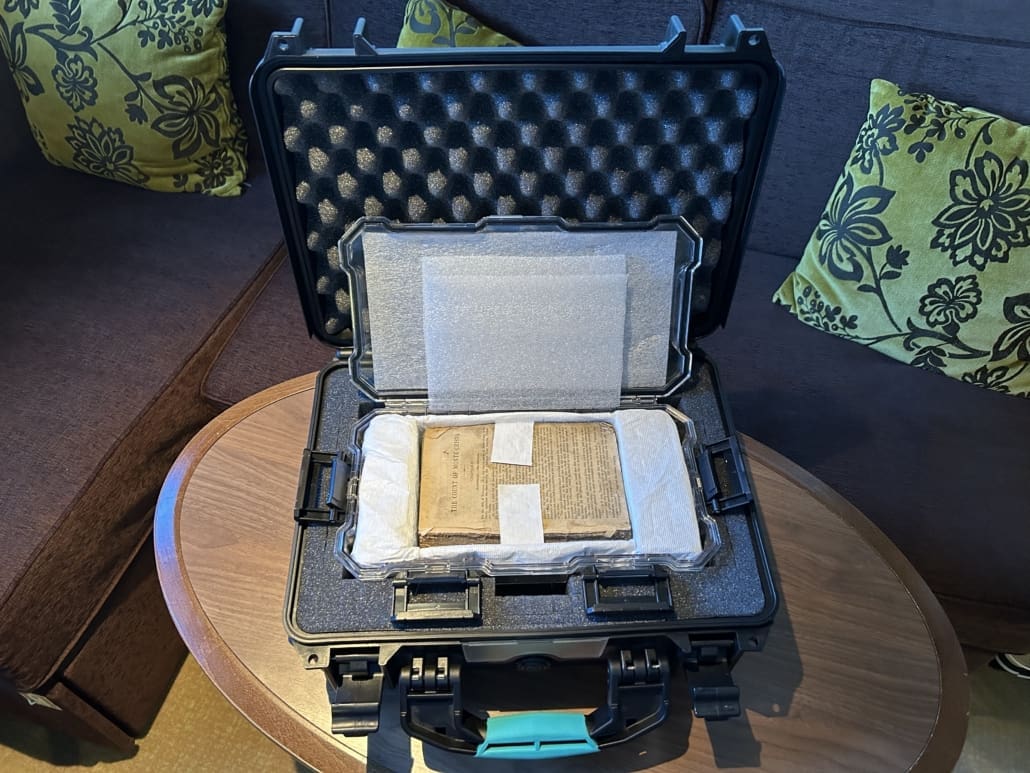
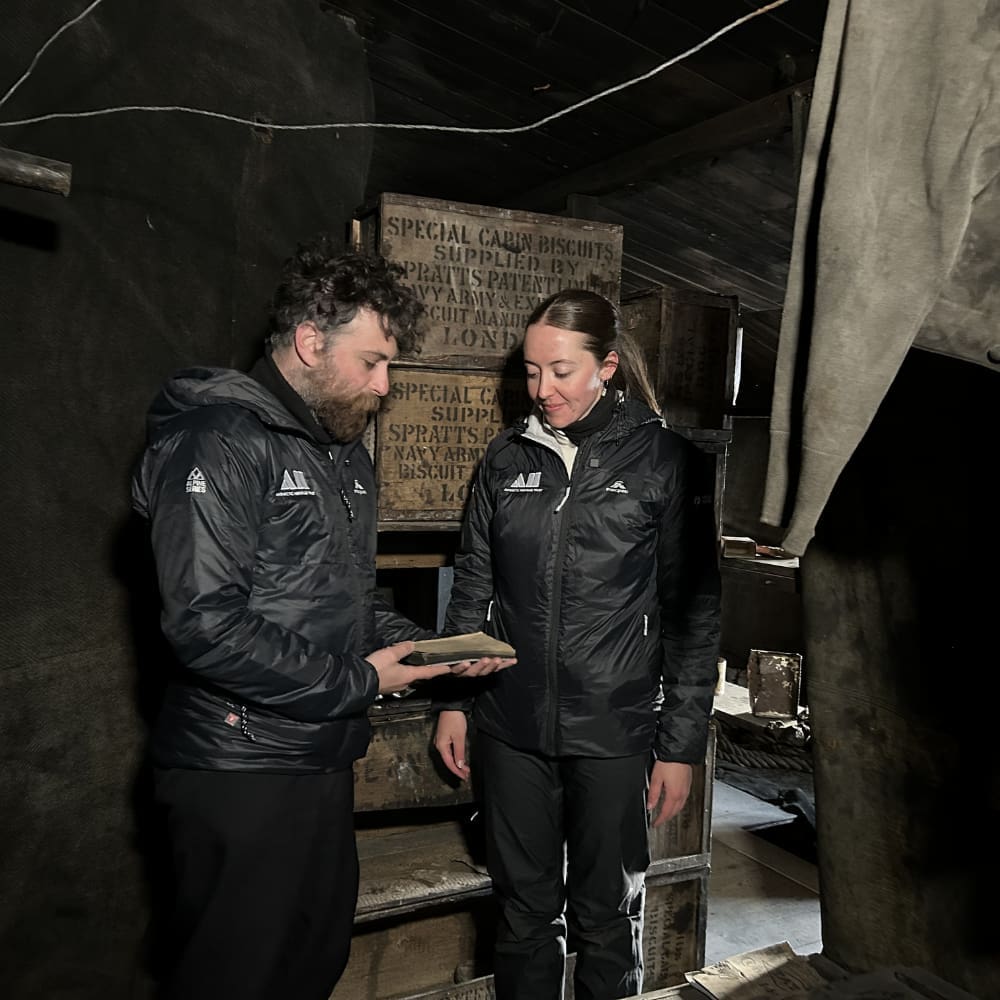
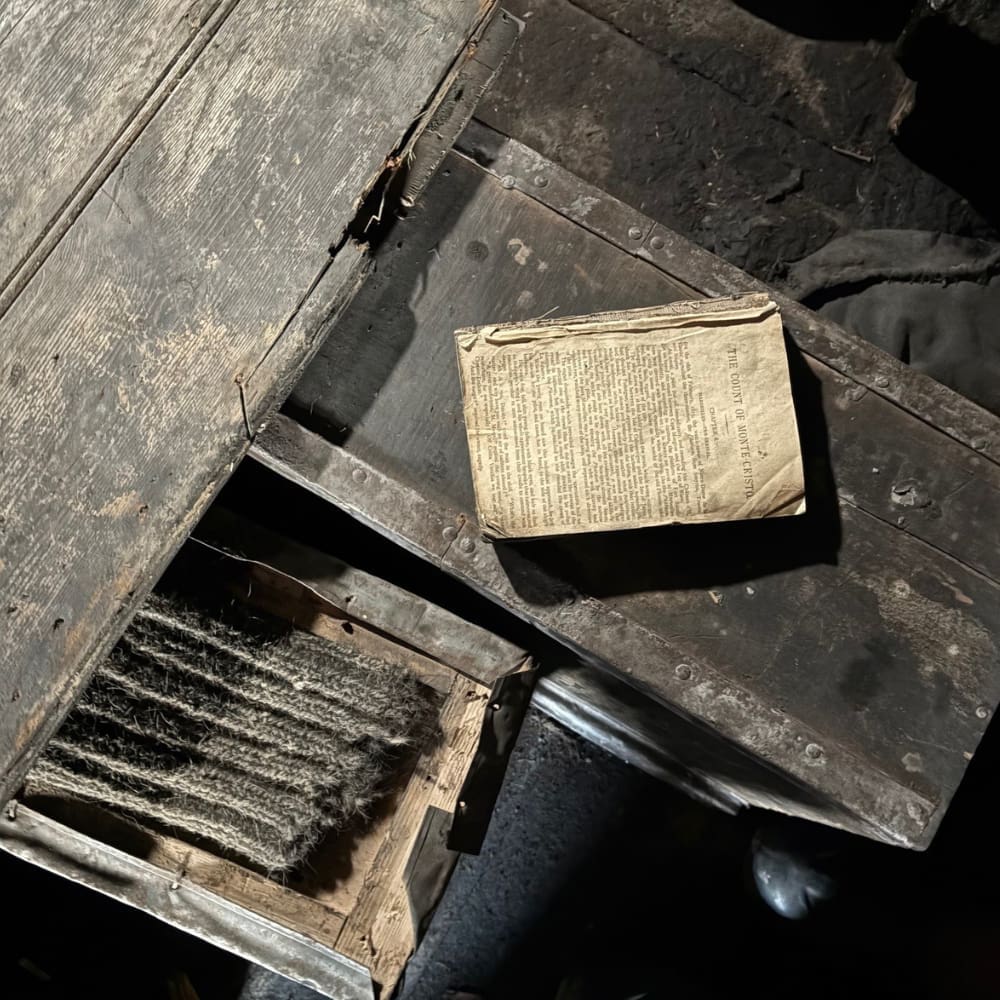
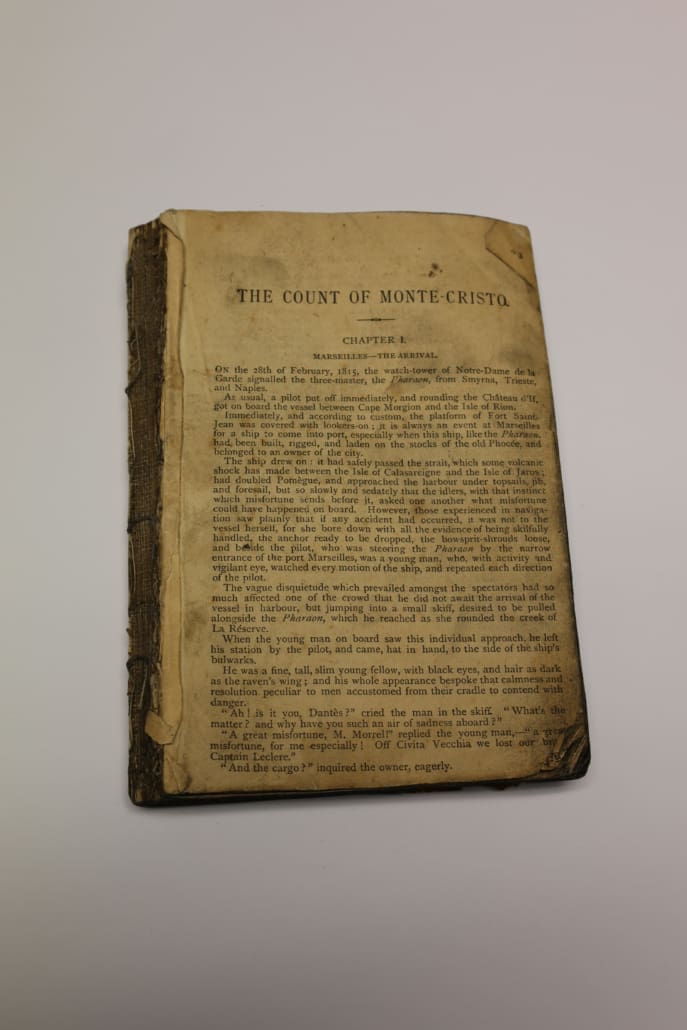
Come inside the conservation laboratory as they prepare a historic copy of The Count of Monte-Cristo for the long journey south to where it belongs.

Also in this episode

Find out what these rangatahi (youth) are nervous about as they embark on a month-long journey to one of the most remote places on the planet, and more about the Trust undertaking world leading conservation there.

Before departing for Antarctica, young heritage professionals on the team, Daniel Bornstein, a conservator at the Australian National Museum and Louise Piggin, Conservation Technician at Canterbury Museum, alongside Trust Heritage Manager Lizzie Meek were involved in the conservation of a unique artefact, a classic adventure book – a copy of The Count of Monte-Cristo by Alexandre Dumas, originally published between 1844-1846.

Its condition speaks to the harsh life the early Antarctic explorers experienced, sheltering in their hut huddled over a stove waiting for the sea ice to freeze enough to get back to their main expedition base.

Missing its cover and a few pages, the well thumbed through volume is covered in sooty fingerprints and smells strongly of the seal blubber that fueled stoves and lamps used by the heroic era explorers.

The book was given to Antarctic Heritage Trust by an anonymous donor who received it as a school prize in 1965.

Antarctic Heritage Trust is a New Zealand-based charity with a vision of inspiring explorers. Through its mission to conserve, share and encourage the spirit of exploration the Trust cares for the remarkable expedition bases of early Antarctic explorers including, Carsten Borchgrevink, Captain Robert Falcon Scott, Sir Ernest Shackleton and Sir Edmund Hillary.

It shares the legacy of exploration through outreach programmes and encourages the spirit of exploration through expeditions to engage and inspire a new generation.
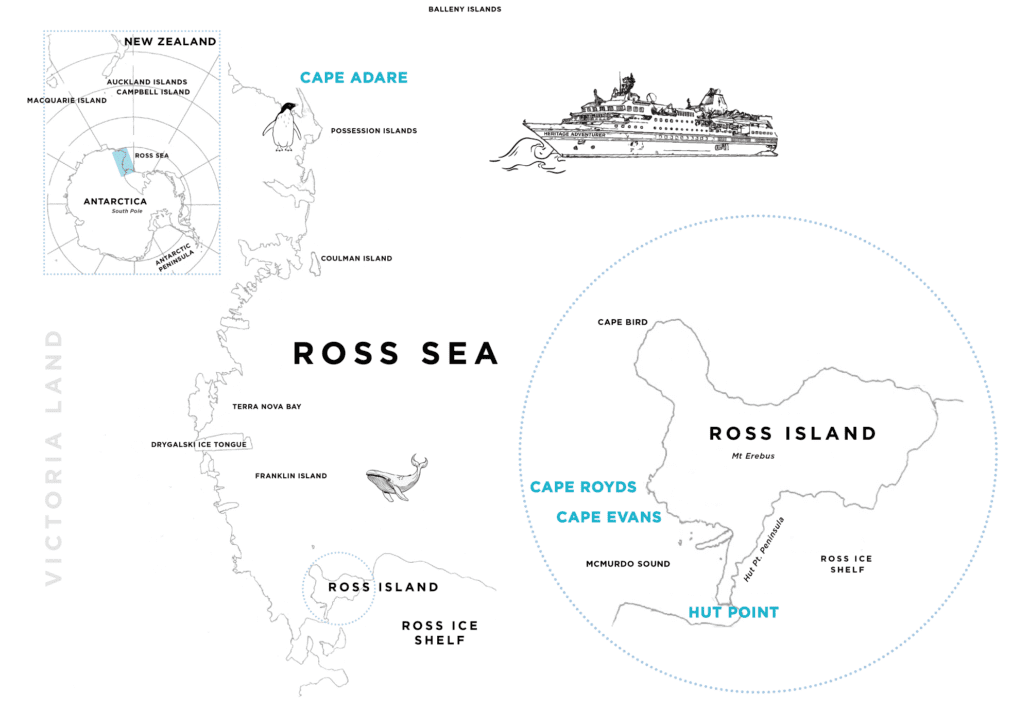
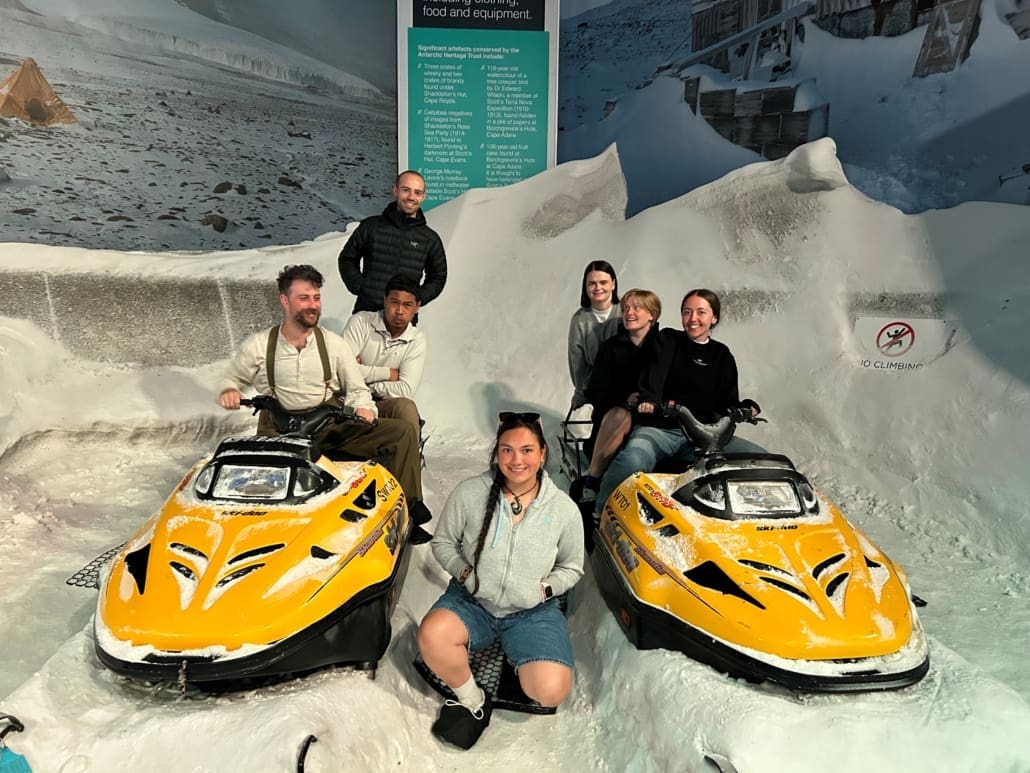
Antarctic Heritage Trust was established in 1987. The Trust manages the Ross Sea Heritage Restoration Project, which is the world’s largest cold-climate conservation project, caring for five expedition bases in the Ross Sea region of Antarctica:
• Borchgrevink’s Hut, Cape Adare
• Scott’s Hut, Hut Point
• Shackleton’s Hut, Cape Royds
• Scott’s Hut, Cape Evans
• Hillary’s Hut, Scott Base

More than 80 conservation experts from 15 countries have worked in Antarctica on this project conserving the explorers’ bases and the more than 20,000 artefacts the men left behind, including clothing, food and equipment. A number of famous discoveries have been made over the years. Read more about the project’s background here.

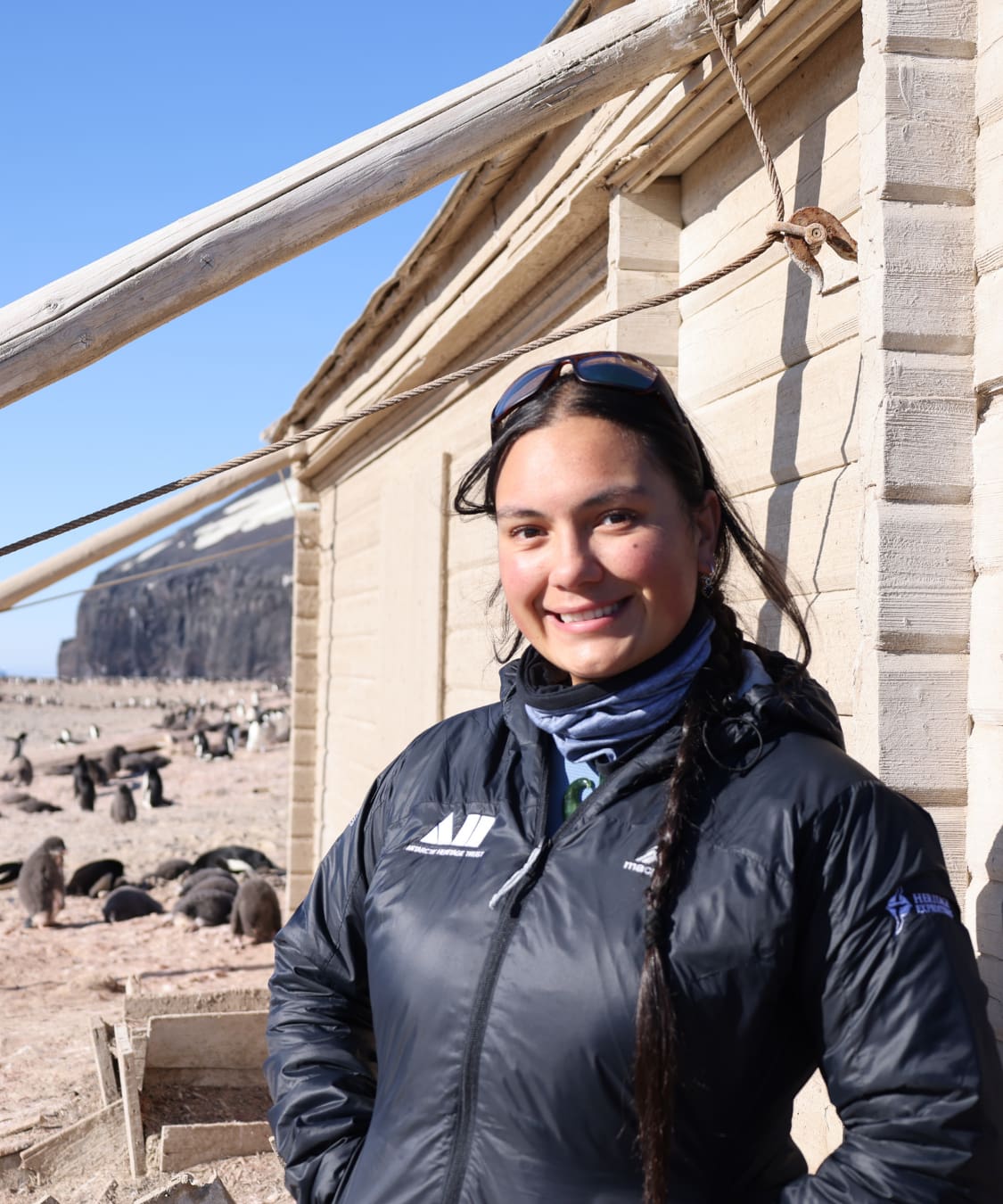
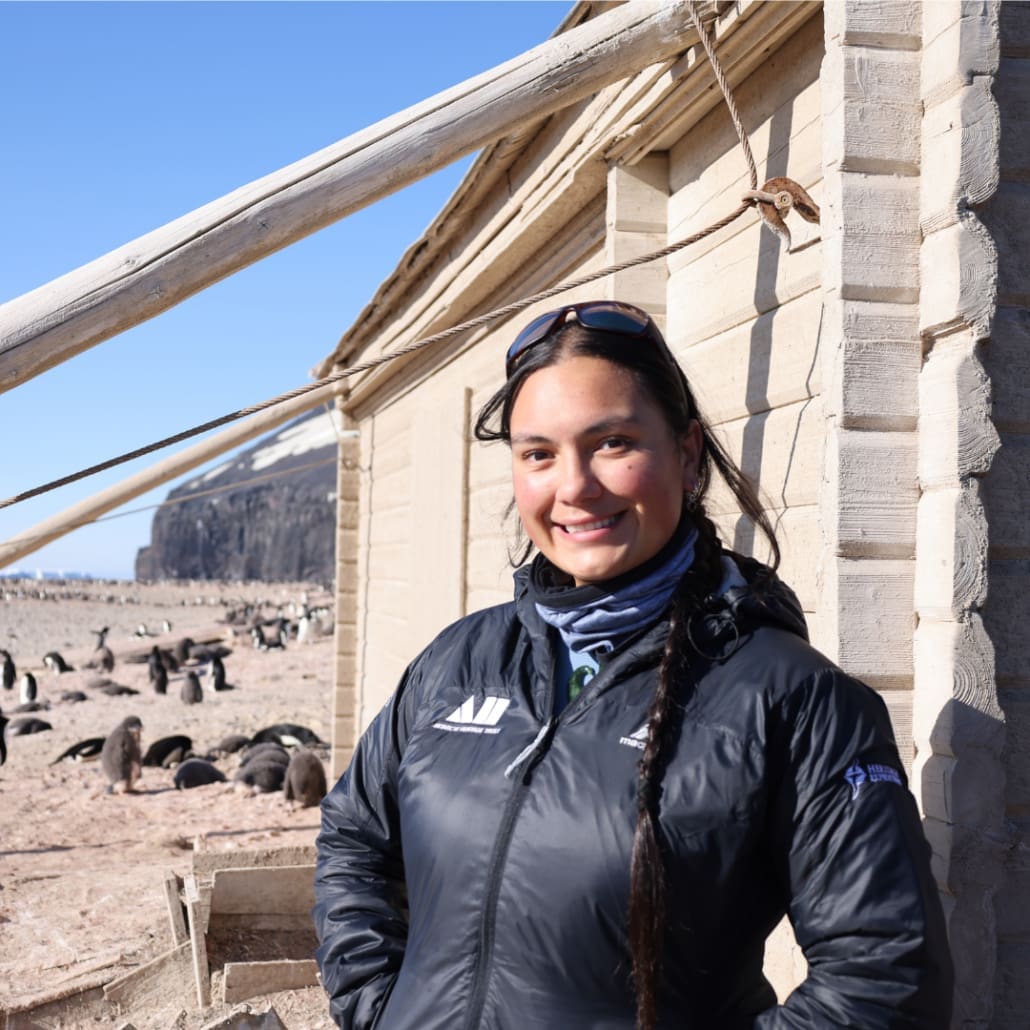
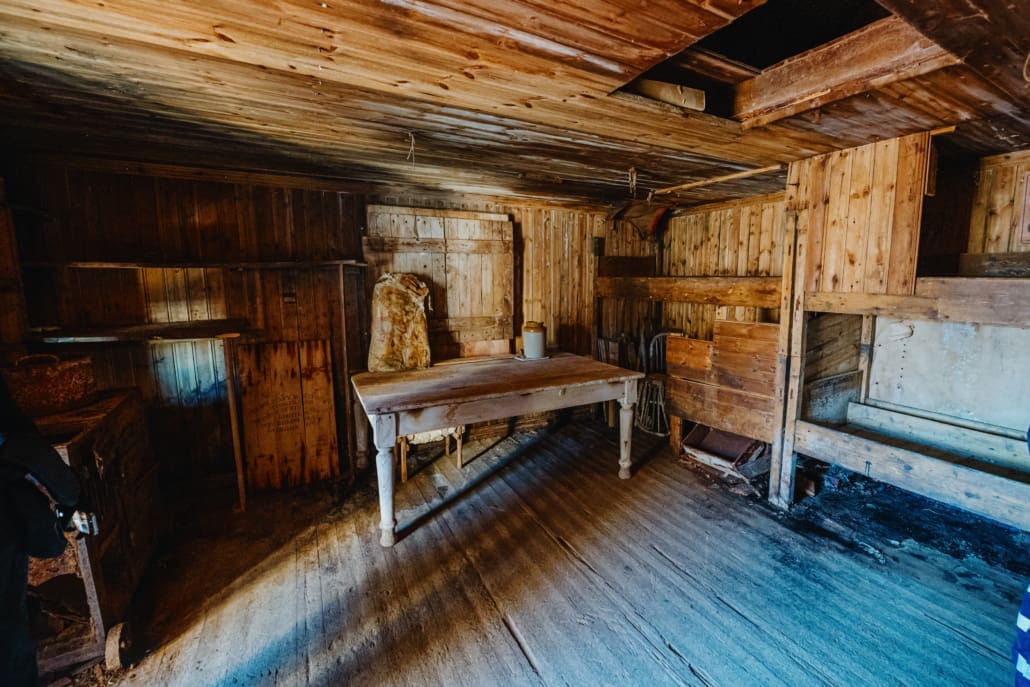
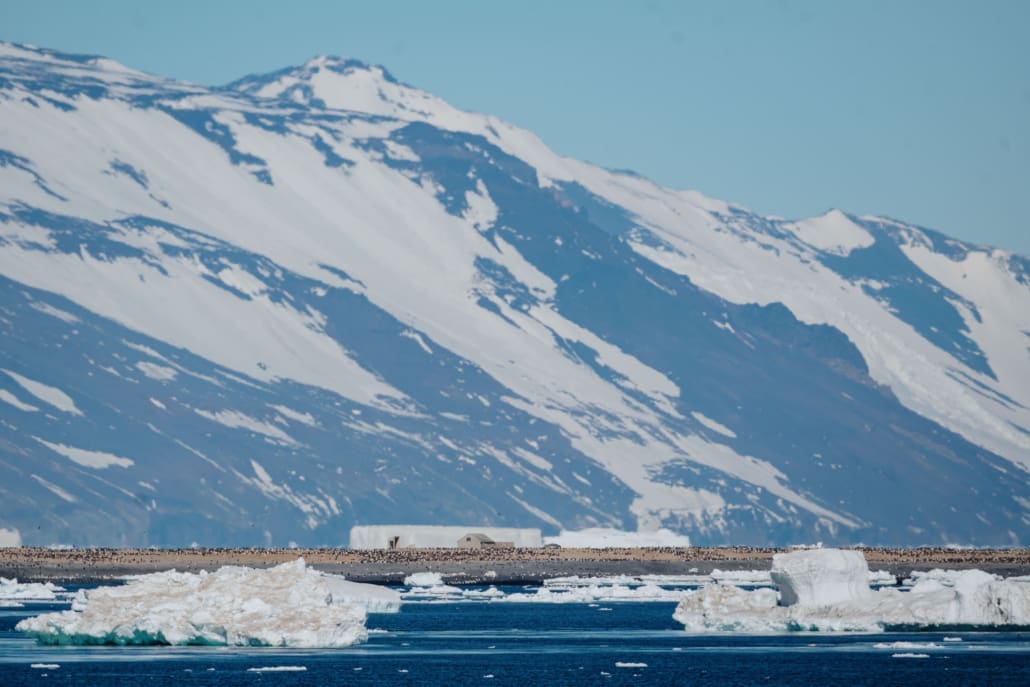
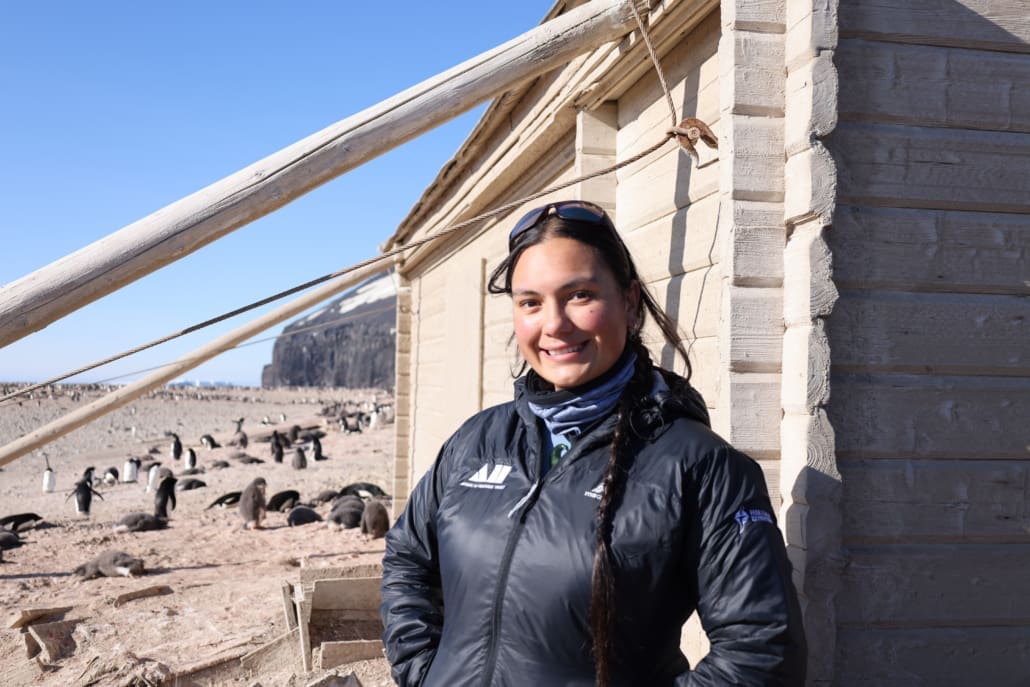
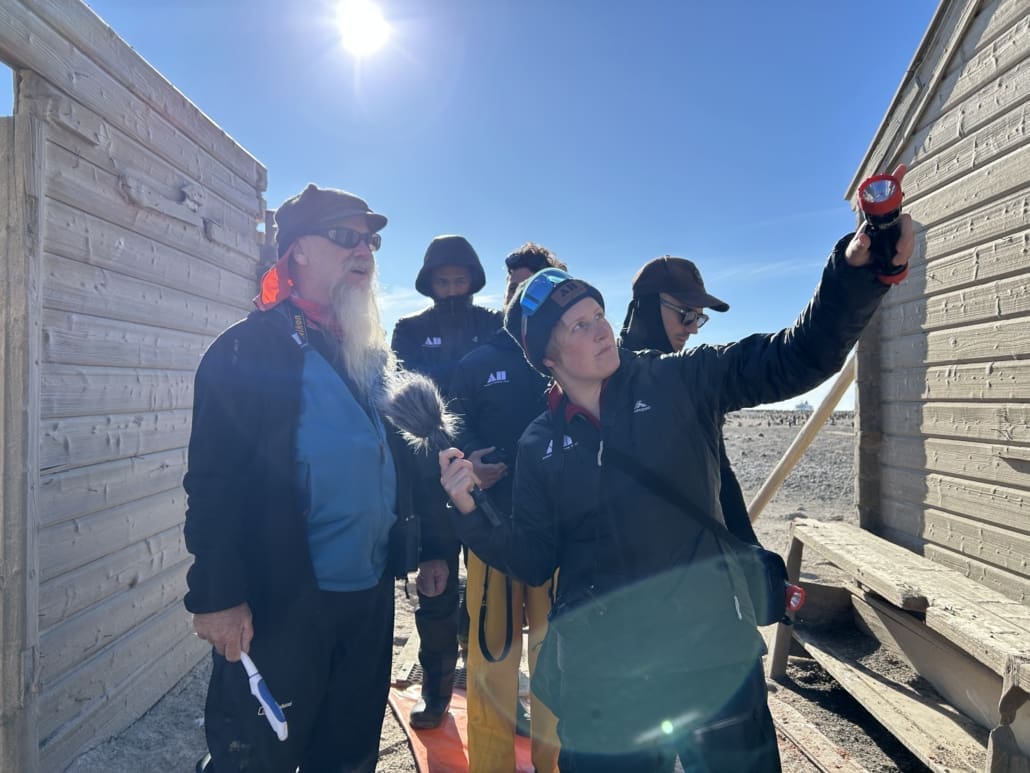
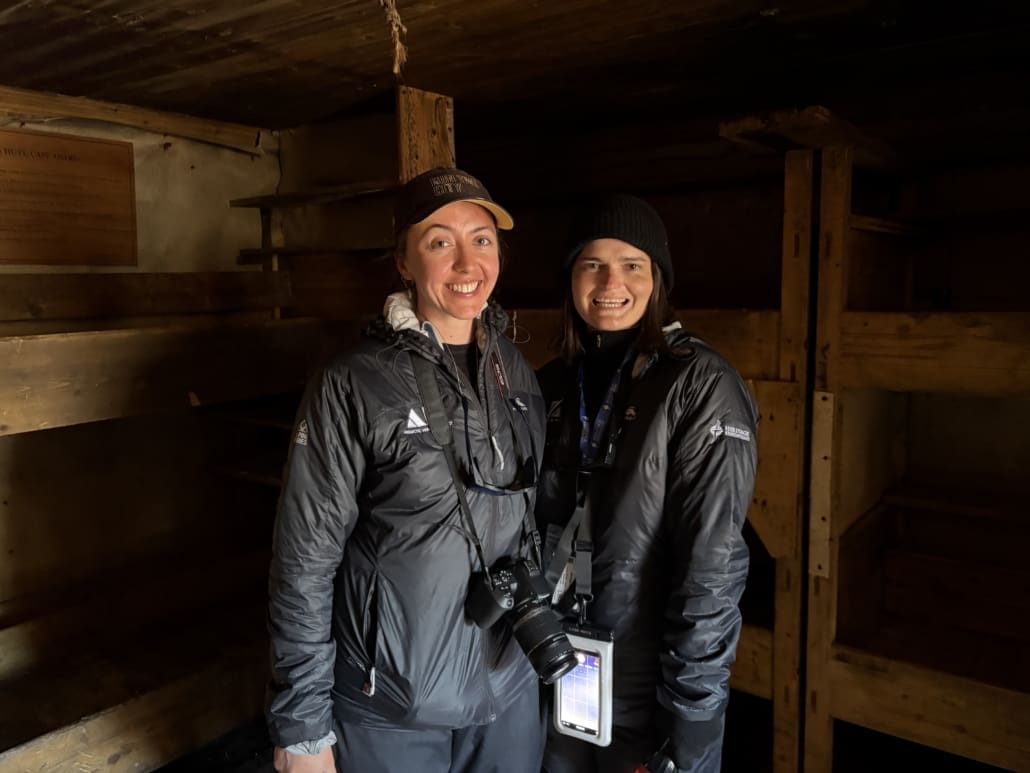
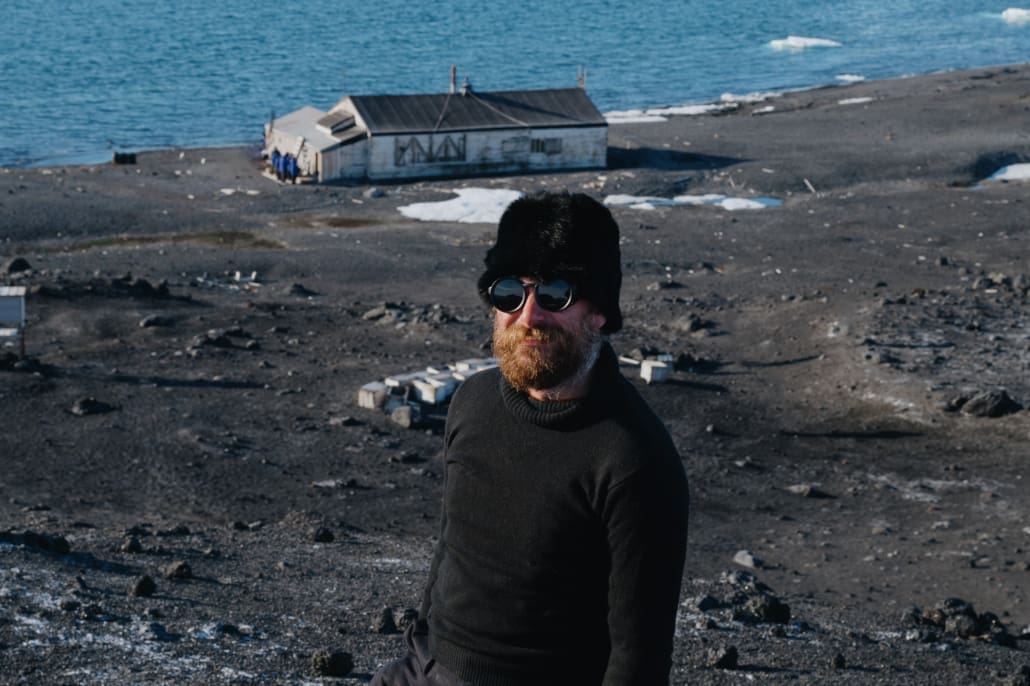
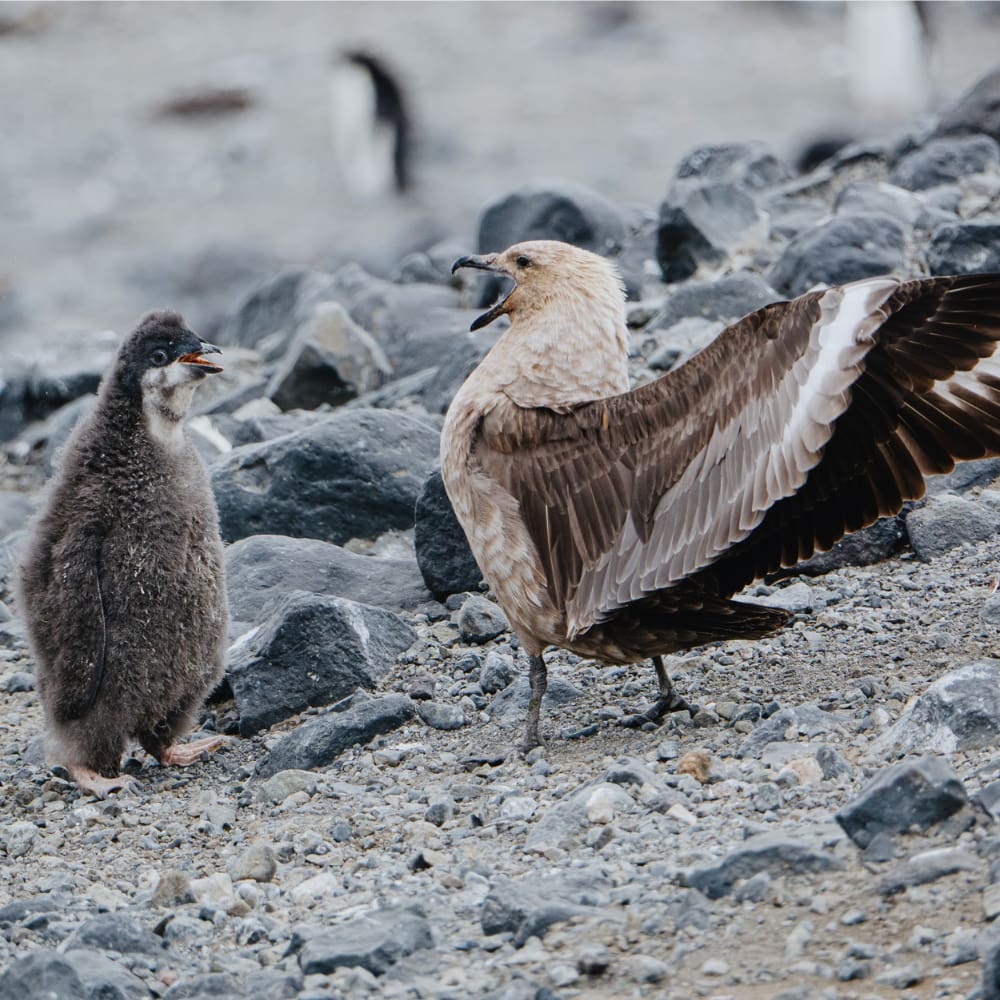
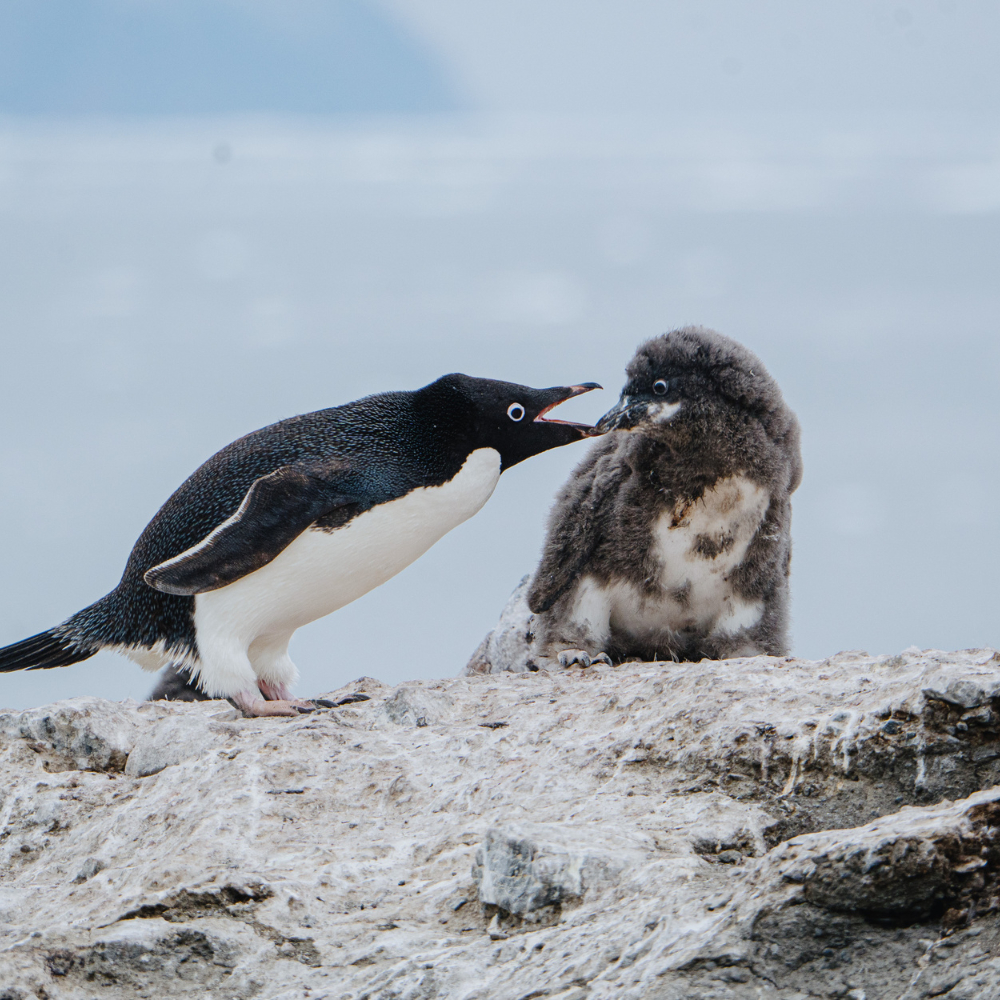
The team make their landfall at Cape Adare, echoing the heroic era explorers who landed here and built the first ever dwelling in Antarctica. Here they make a confronting visit to the world’s largest Adélie penguin colony, and amongst it, the hut where the first group of explorers survived an Antarctic winter in 1899 enduring tragedy, hardship and conflict.

Also in this episode

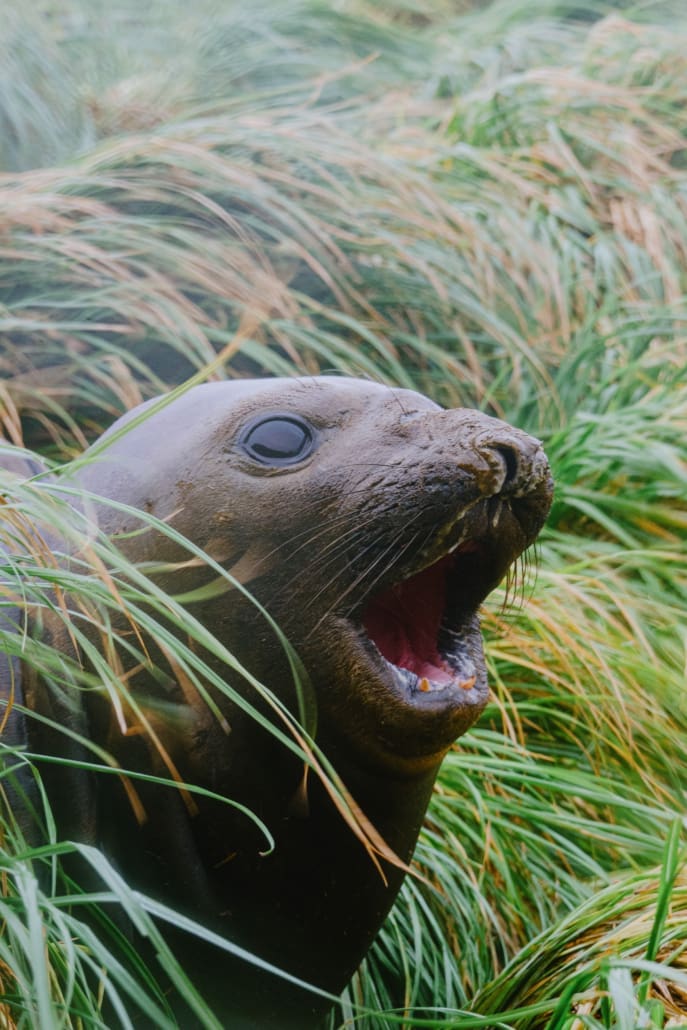
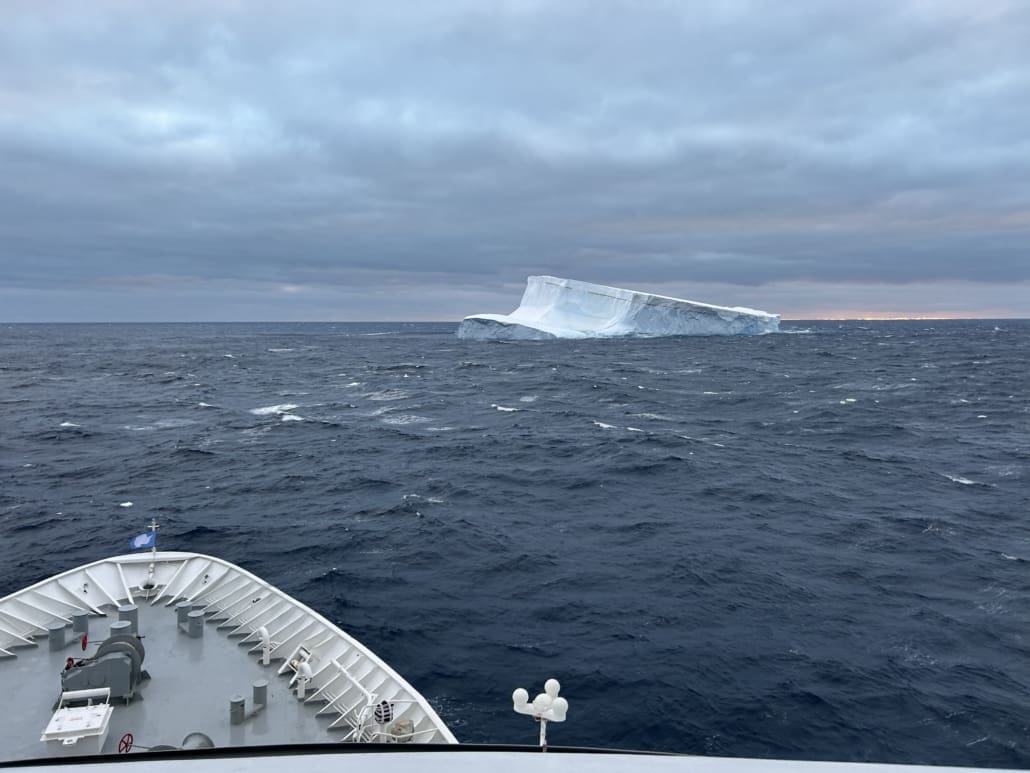
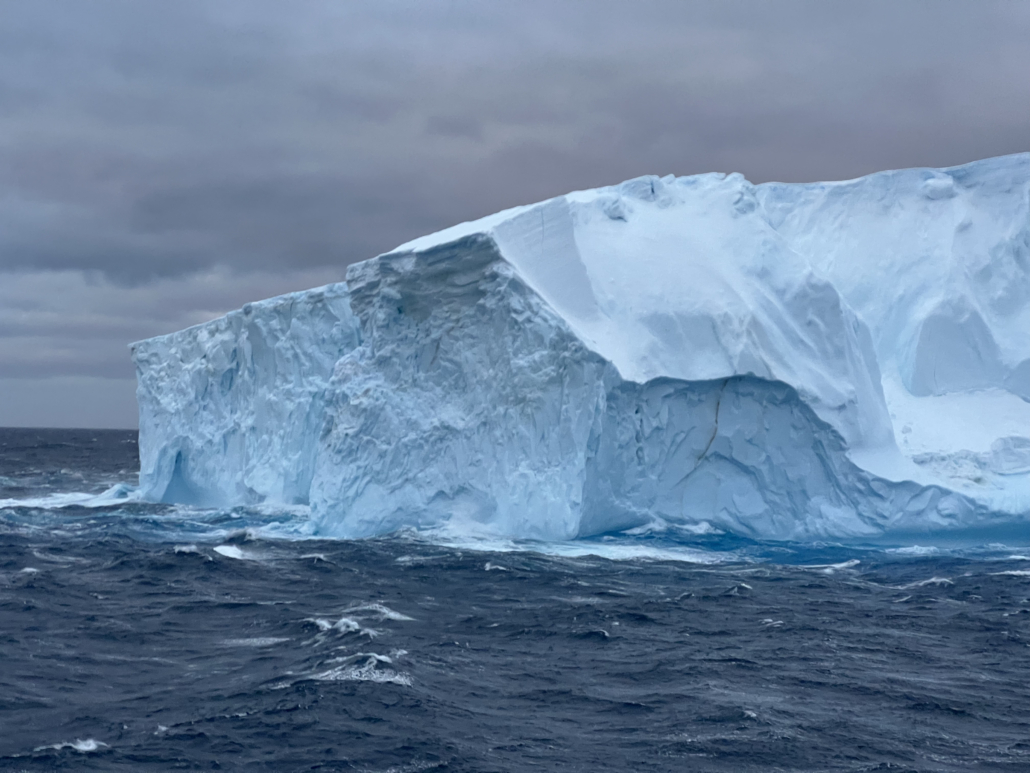
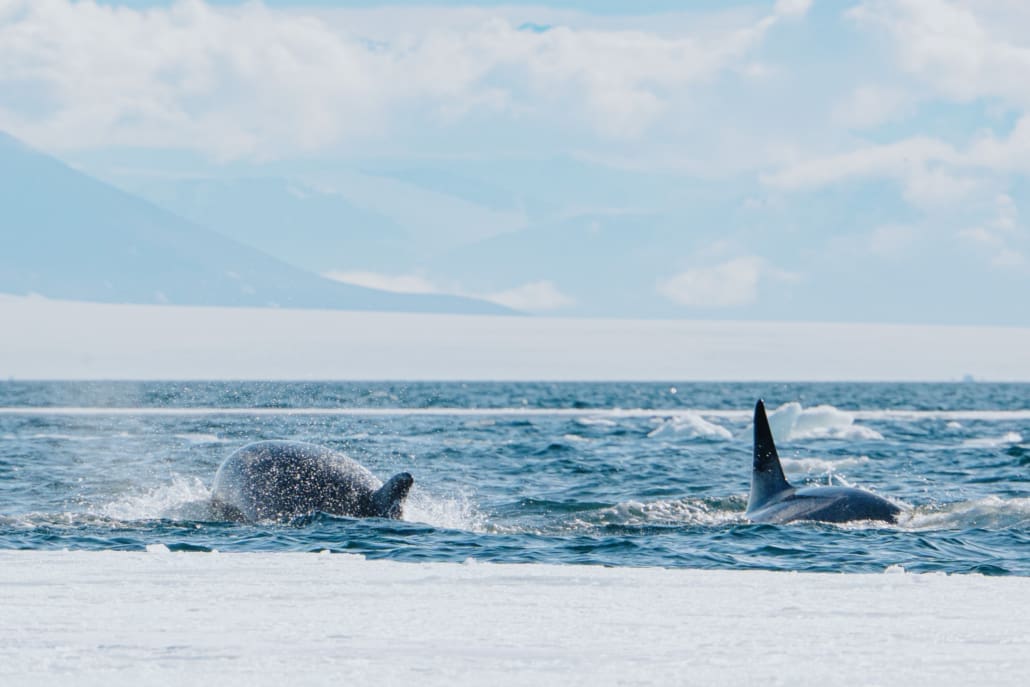
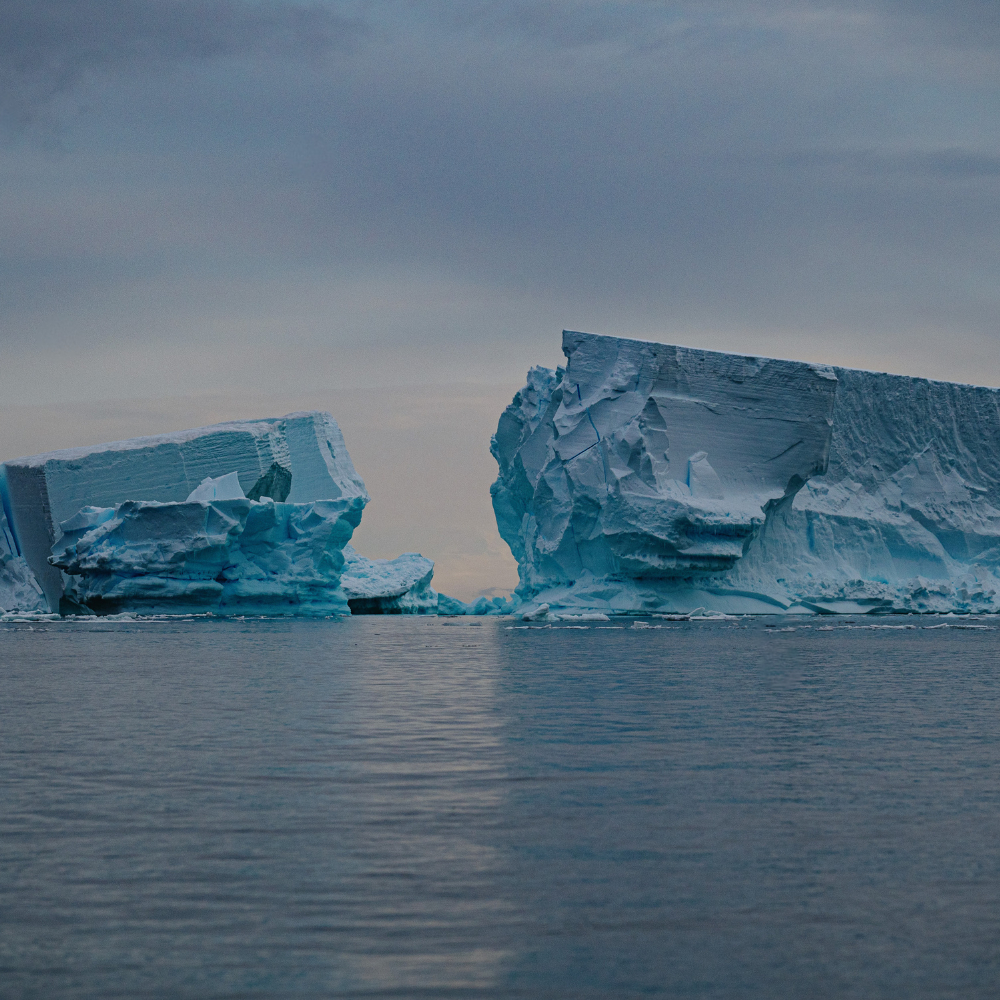
The team encounter incredible wildlife on sub-Antarctic Macquarie Island and see their first iceberg on the voyage South to Antarctica.

Though not as famous as Scott or Shackleton, Carsten Borchgrevink played a crucial role in Antarctic history.

Borchgrevink’s British Antarctic (Southern Cross) Expedition 1898–1900 achieved significant milestones. They conducted scientific and meteorological observations, mapped Cape Adare, and made historic sledging and skiing journeys. Perhaps most importantly, they proved humans could survive an Antarctic winter, paving the way for heroic-era expeditions that followed. The ten men spent the winter of 1899 in cramped huts on the windswept Cape Adare, surrounded by towering cliffs at the northern edge of the Ross Sea.

Tragically, the expedition suffered the first known death in Antarctica, when the Chief Zoologist, 26-year-old Nicolai Hanson, died of suspected beriberi disease.

Borchgrevink’s huts still stand today, making them the only example left of humanity’s first dwelling on any continent.

Since the departure of Scott’s Northern Party from Cape Adare in 1911, there have been only sporadic visits by conservation teams to this remote site. New Zealand parties visited a couple of times during the 1960s and 70s to undertake repairs, before Canterbury Museum sent an expedition party to the site in 1982 to carry out maintenance work, complete drawings of the huts, and document the artefacts.

The first party from the Trust visited in 1990 and carried out significant preservation works to the huts. This focus continued on the Trust’s next visit in 2003, when condition reports for the artefacts were also completed.

Recognising the site’s profound historical and cultural significance, the Antarctic Heritage Trust initiated a comprehensive conservation effort as part of its Ross Sea Heritage Restoration Project (RSHRP), with a Conservation Plan for the site published in May 2004.

The artefact collection, which includes a range of foods, metal objects, textile and paper items have been conserved by an international team of conservation specialists. Under permit, the Trust brought these objects back to New Zealand temporarily, and the work was completed at Canterbury Museum by mid-2017.

Borchgrevink’s hut is the only Antarctic explorer base under the Trust’s care yet to receive major conservation work, largely due to its extremely remote location.
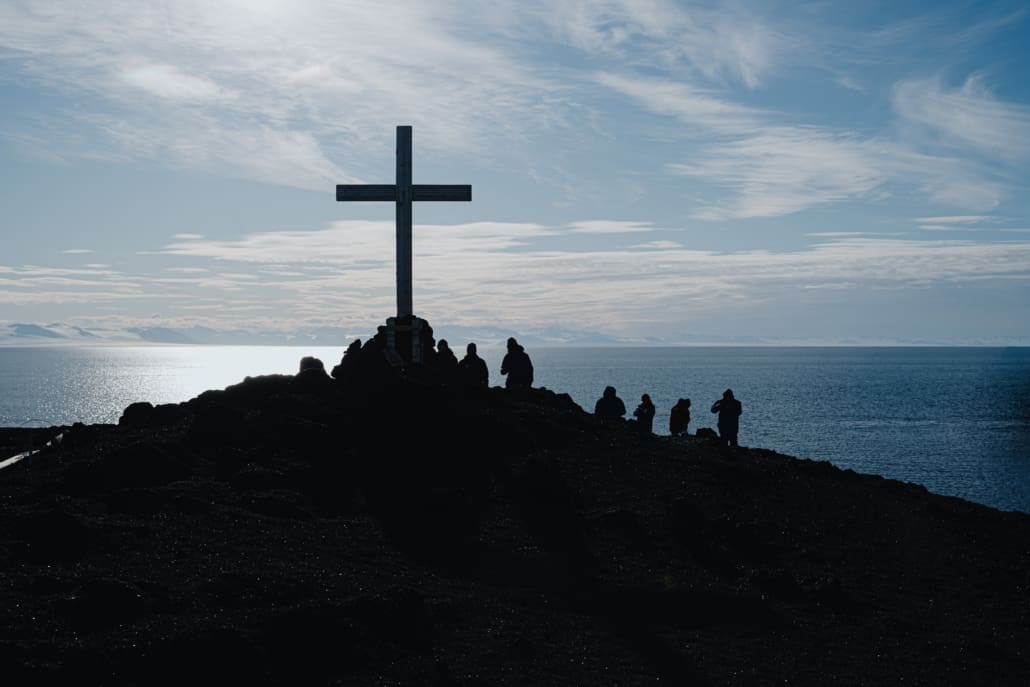
During the summer season of 2025-2026 a team of three returned to undertake crucial data gathering at Carsten Borchgrevink’s British Antarctic ‘Southern Cross’ Expedition (1898-1900) base. Key achievements included the first condition assessment of Nicolai Hanson’s grave since 2003. Nicolai Hanson was the first known death in Antarctica from what was thought to be beriberi. He was laid to rest high on Cape Adare, overlooking Ridley Beach where the hut stands. His grave is marked by a boulder and an iron cross that continues to serve as his headstone.
The team also captured aerial photogrammetry by drone, completed the first laser scanning of the hut and surrounding environment, the first survey of the huts and South Beach since 1972, and a full review of camp infrastructure and stored materials.

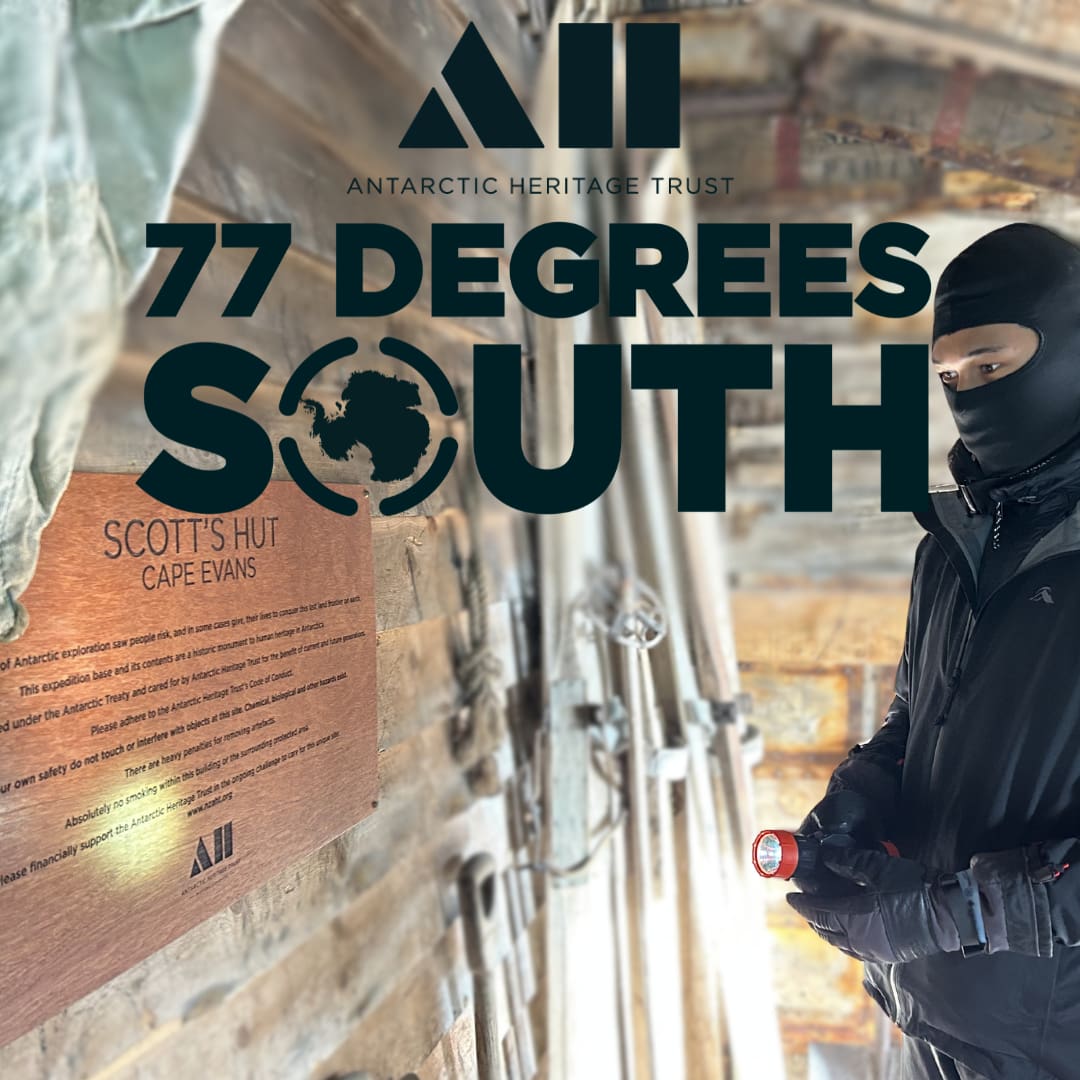
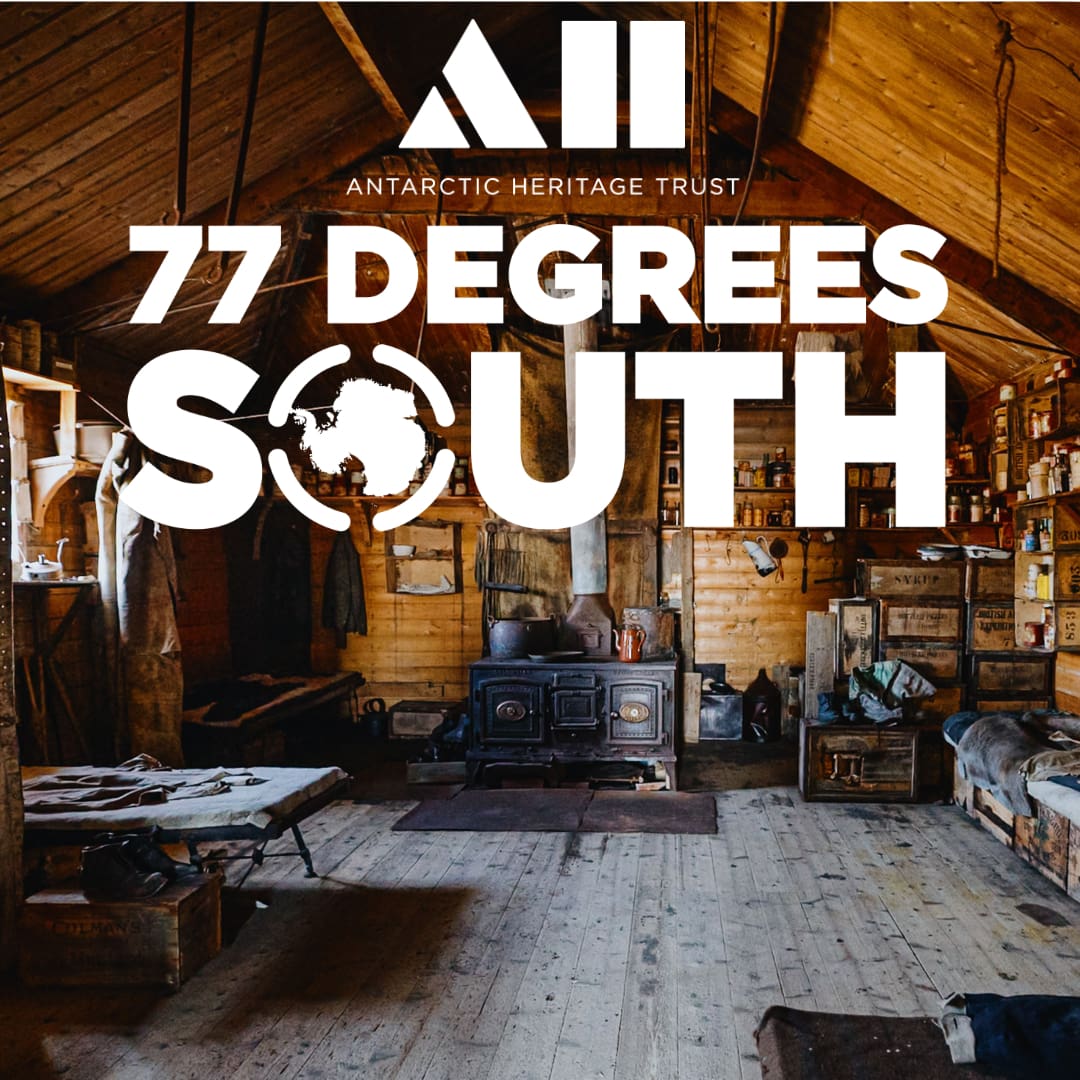
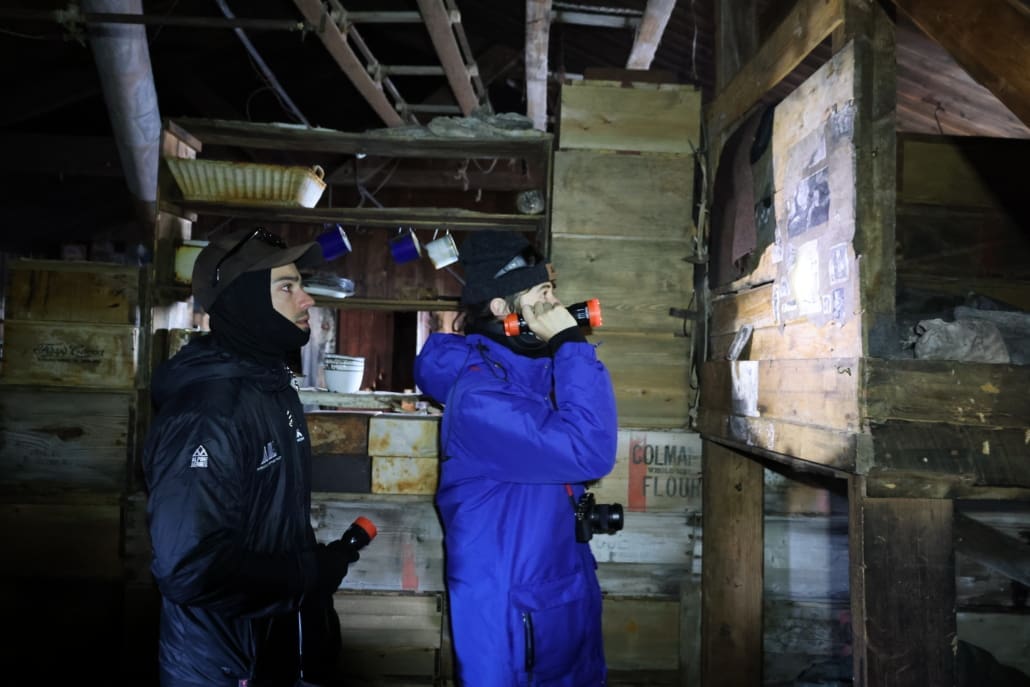
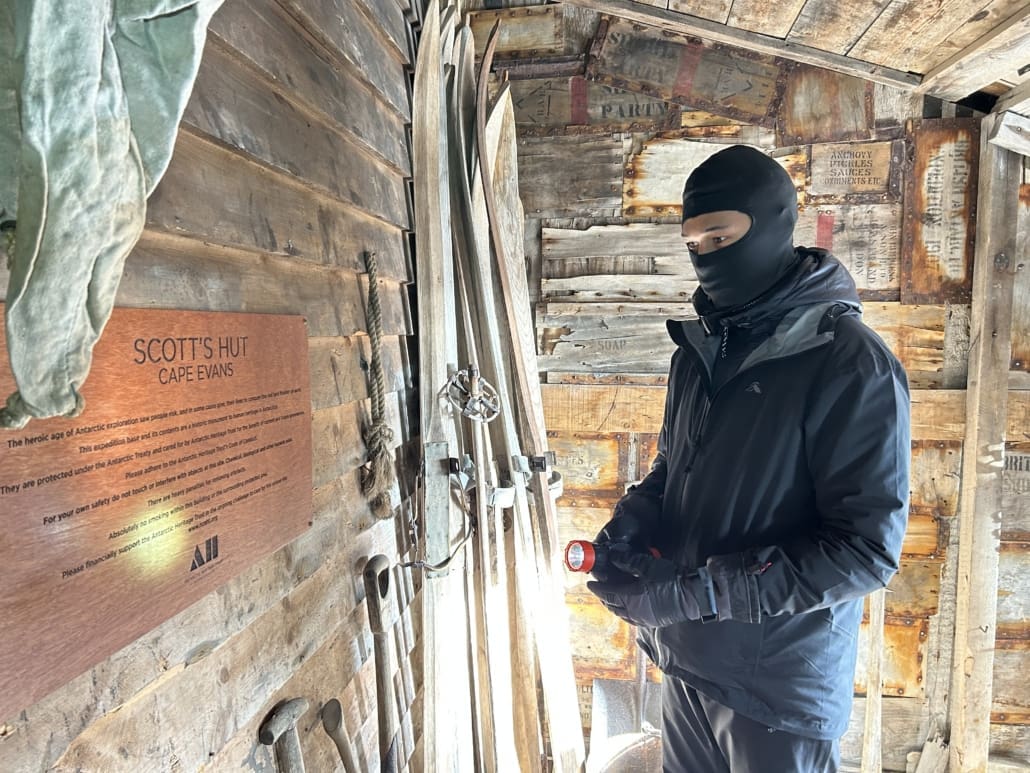
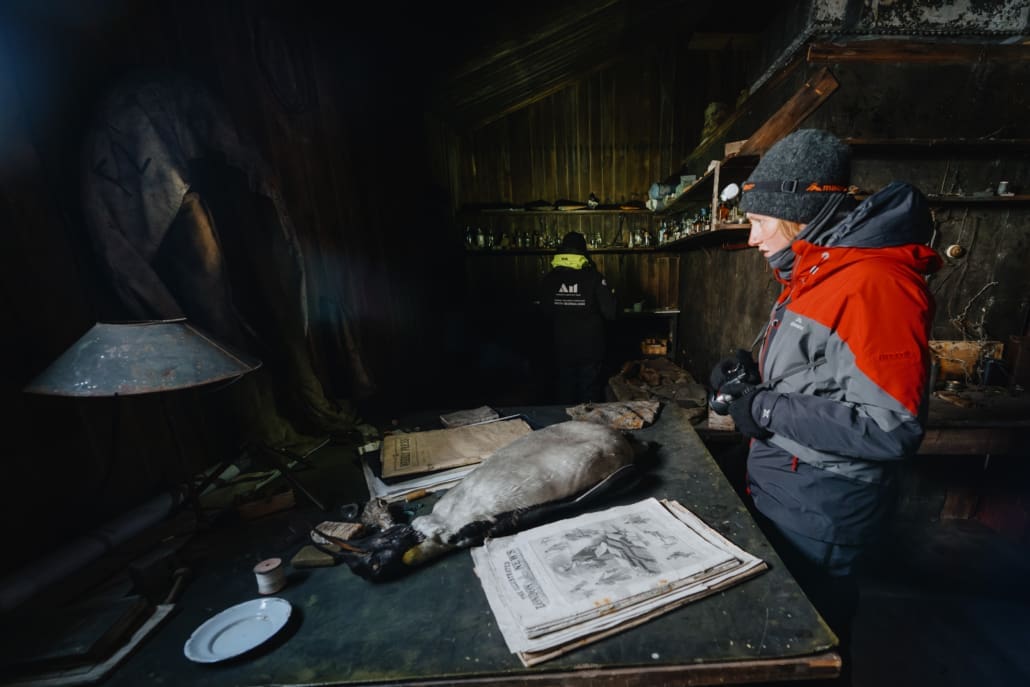
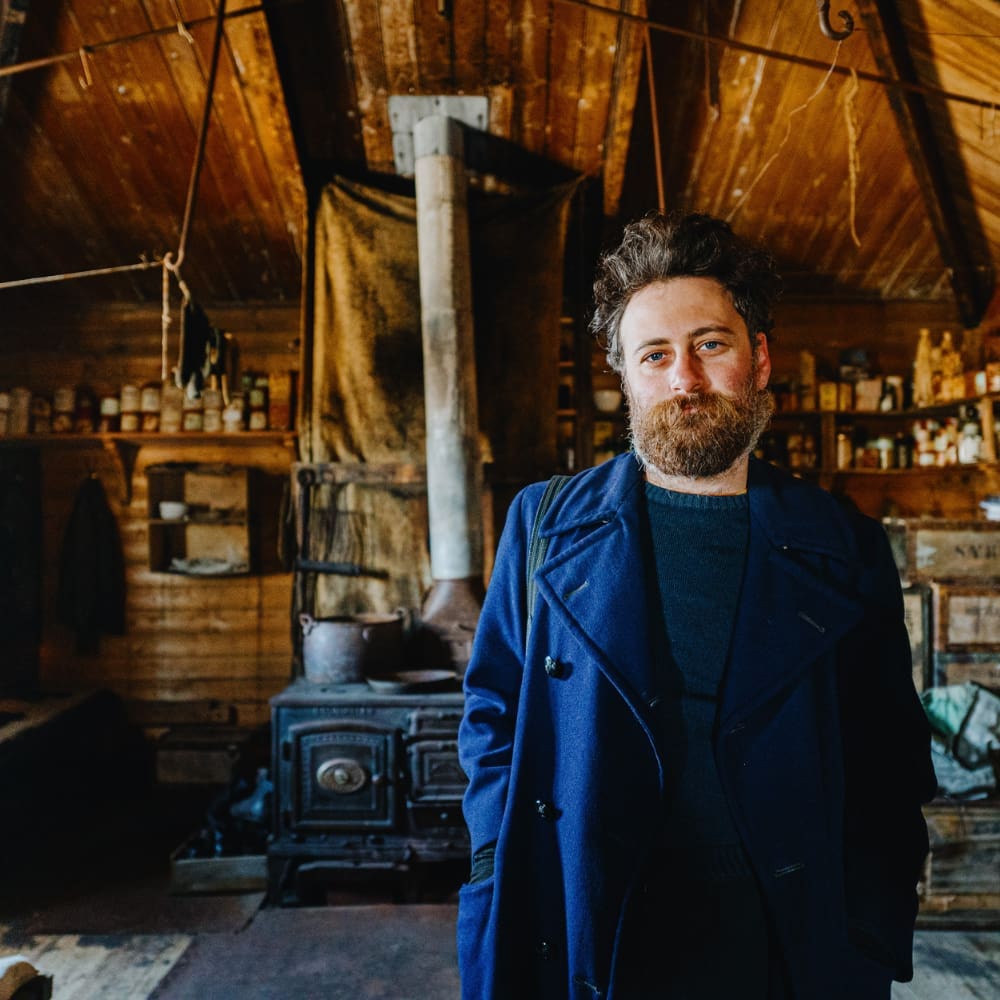
The team step into Terra Nova hut at Cape Evans and it looks and feels like Scott and his men have just stepped out, despite 112 years passing. Thanks to the work of the Antarctic Heritage Trust, Scott’s legacy has been saved and work continues to safeguard it so this new generation can see how early explorers furthered science and tested the limits of human endurance in pursuit of the unknown.

Also in this episode

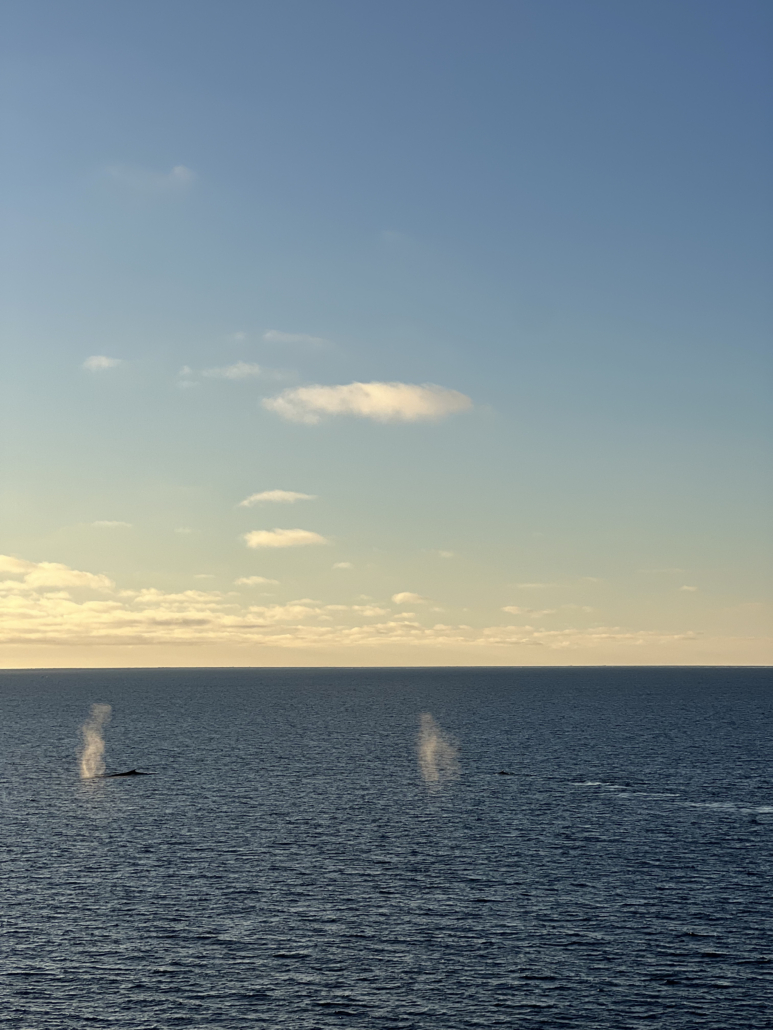
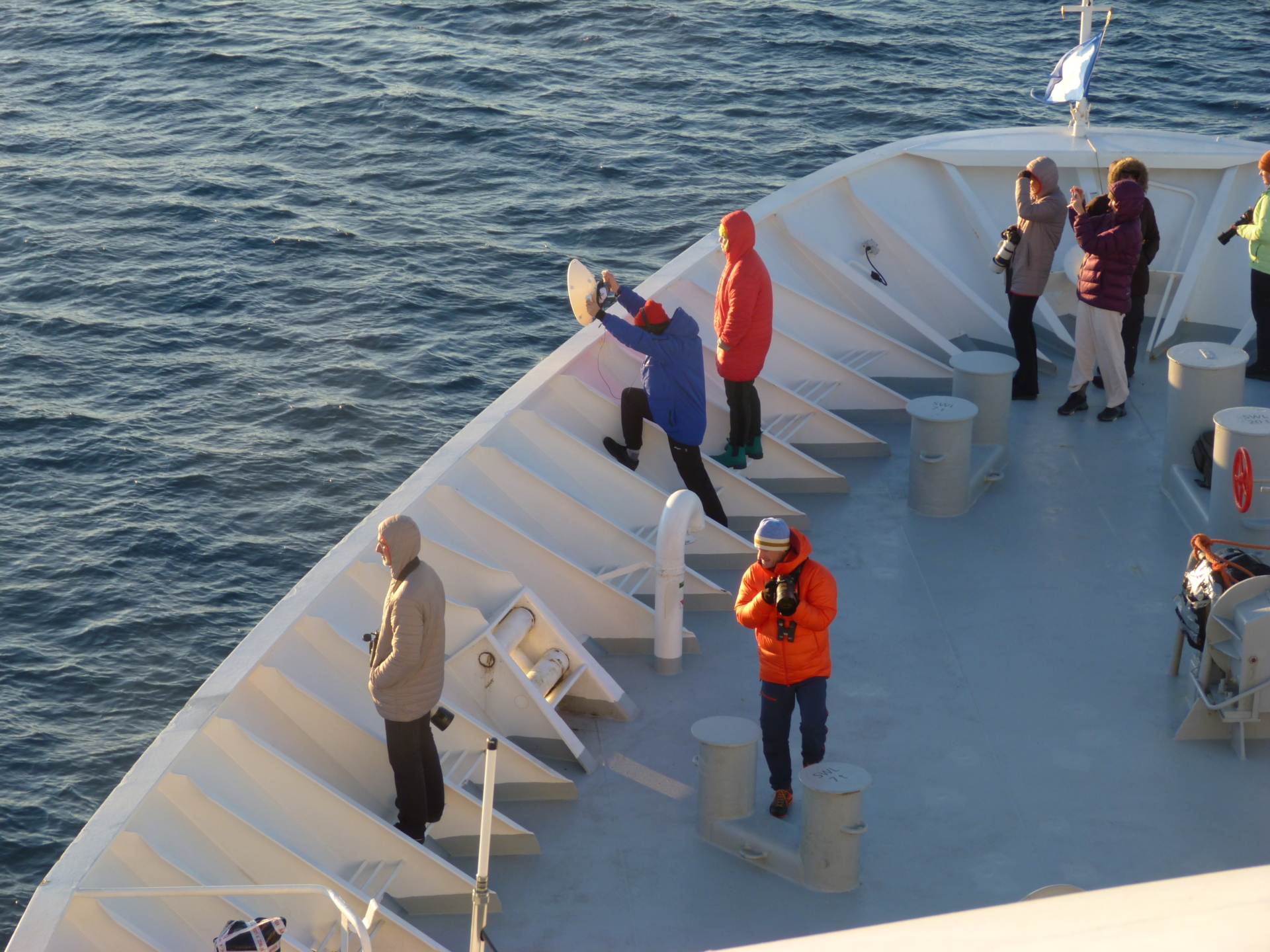
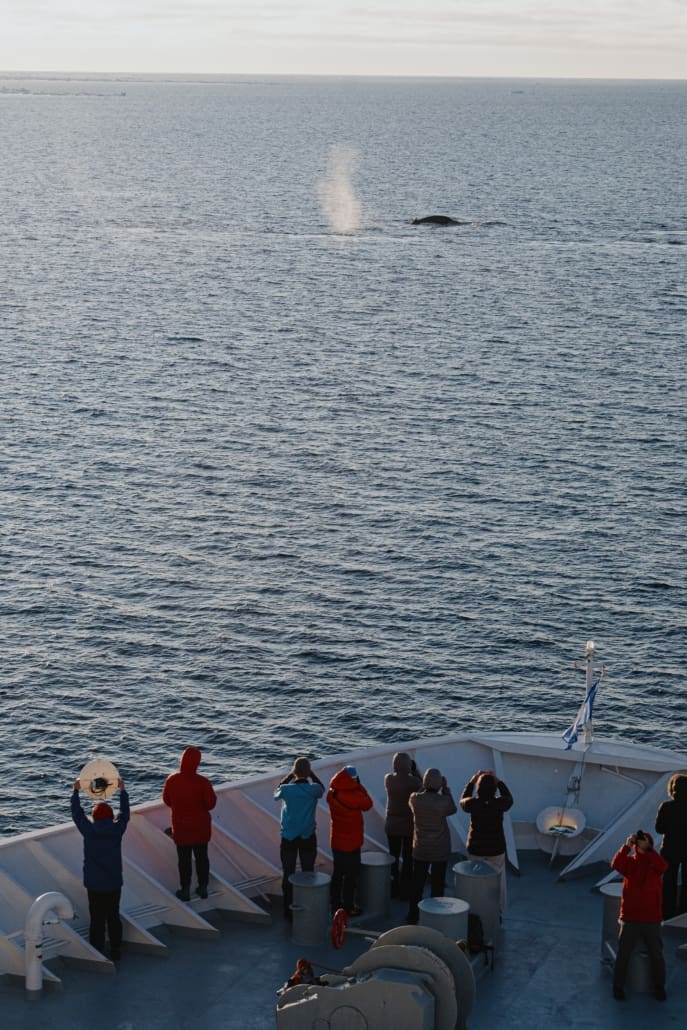
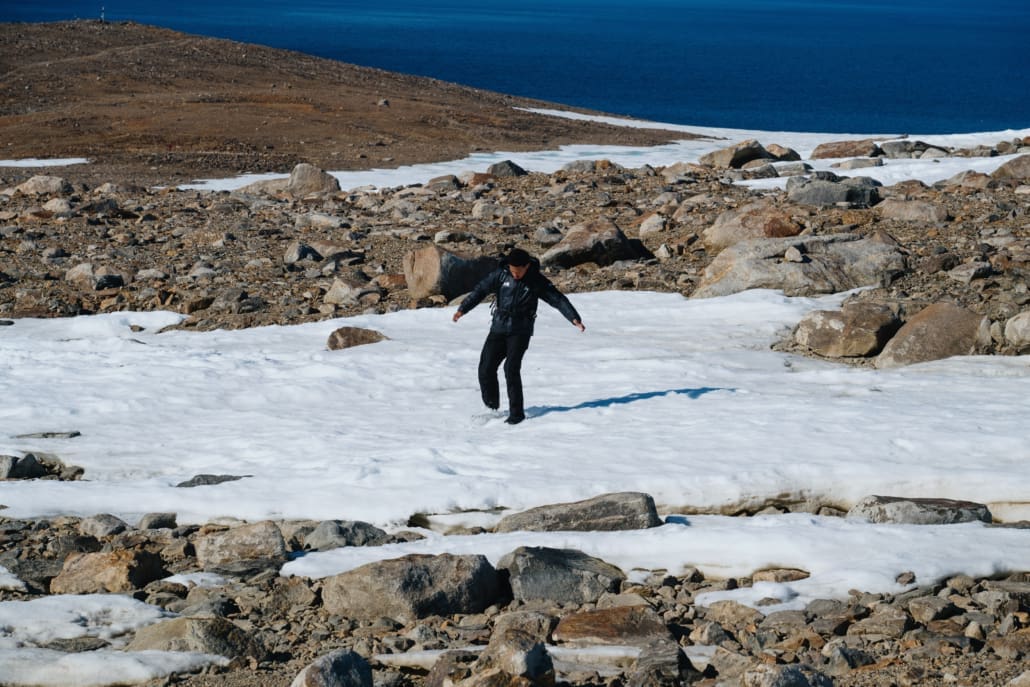
Learn about life on the ship. The team spot whales, take a polar plunge into frozen Antarctic waters, and Kitiona touches snow for the very first time.

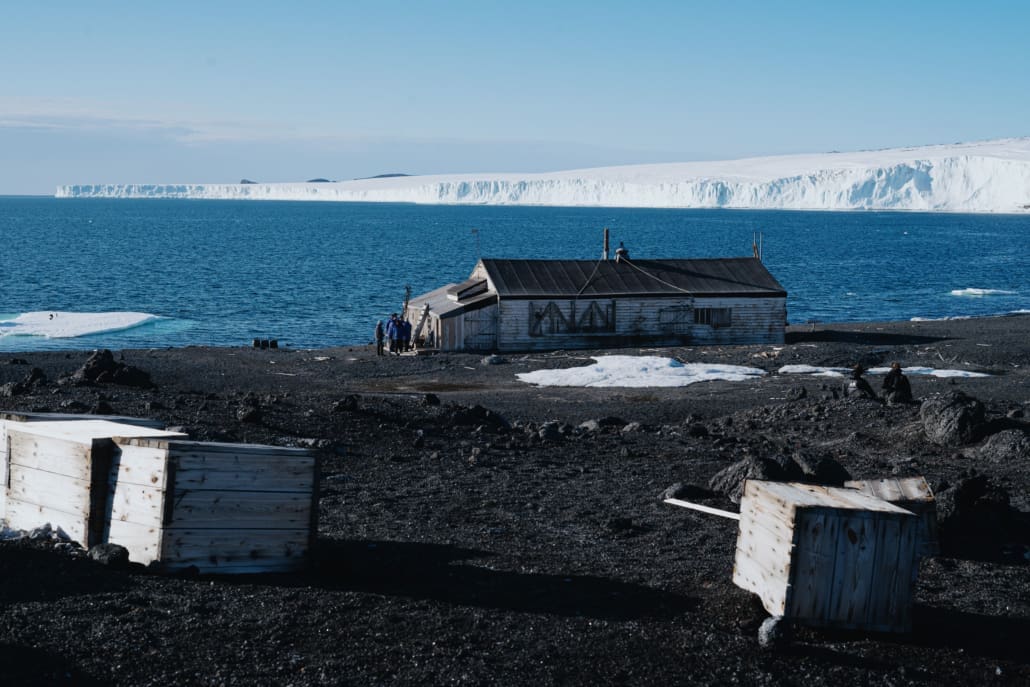
On the shores of Cape Evans, Ross Island, a remarkable structure stands as a reminder of one of history’s most daring and tragic chapters: Captain Robert Falcon Scott’s Terra Nova hut.

Constructed in 1911, this shelter became the heart of Scott’s British Antarctic Expedition 1910-1913, a bold venture that would lead to his second and ultimately ill-fated attempt to reach the Geographic South Pole. The hut, weathered by time and the elements, remains a poignant reminder of the courage, ambition, and sacrifice that defined the heroic era of polar exploration.

Scott’s second expedition had achieved a great deal by the time his ship, Terra Nova, finally departed Cape Evans, in January 1913.

A winter journey had been made to the Emperor penguin colony at Cape Crozier, extensive geological field work had been achieved by the northern and western parties, an impressive scientific and surveying programme was concluded, and the second ascent was made of Mount Erebus.

Significant meteorological records were kept, and these still provide useful baseline data today, while photographic images from the expedition are among the most evocative ever taken in the Antarctic.

The Union Jack was flown at the Geographic South Pole, with the polar party having battled across the Polar Plateau, finally reaching the Pole on 17 January 1912. Unfortunately for them, waiting there was the small green tent that Norwegian explorer Roald Amundsen and his team had left at the Pole some 35 days earlier, following an exceptionally efficient and effective dog-sled journey from the Bay of Whales to the Pole, completed in just 57 days.

Tragically, Scott, Dr Edward Wilson, Lieutenant Henry Bowers, Captain Lawrence Oates and Petty Officer Edgar Evans would all perish on the return journey. In their memory, a large wooden cross was erected on Observation Hill, above Hut Point.

This expedition gave rise to some of the most inspirational and harrowing stories associated with polar history. It was also instrumental in laying the foundations of modern science in Antarctica.

Recognising the site’s profound historical and cultural significance, the Antarctic Heritage Trust initiated a comprehensive conservation effort as part of its Ross Sea Heritage Restoration Project (RSHRP), with a Conservation Plan for the site publish in May 2004.

  • Major carpentry programme completed 2007 – 2011.
  • Major artefact conservation programme completed 2008 – 2014.
  • 11,500+ artefacts conserved. Building repaired and weather-tight.
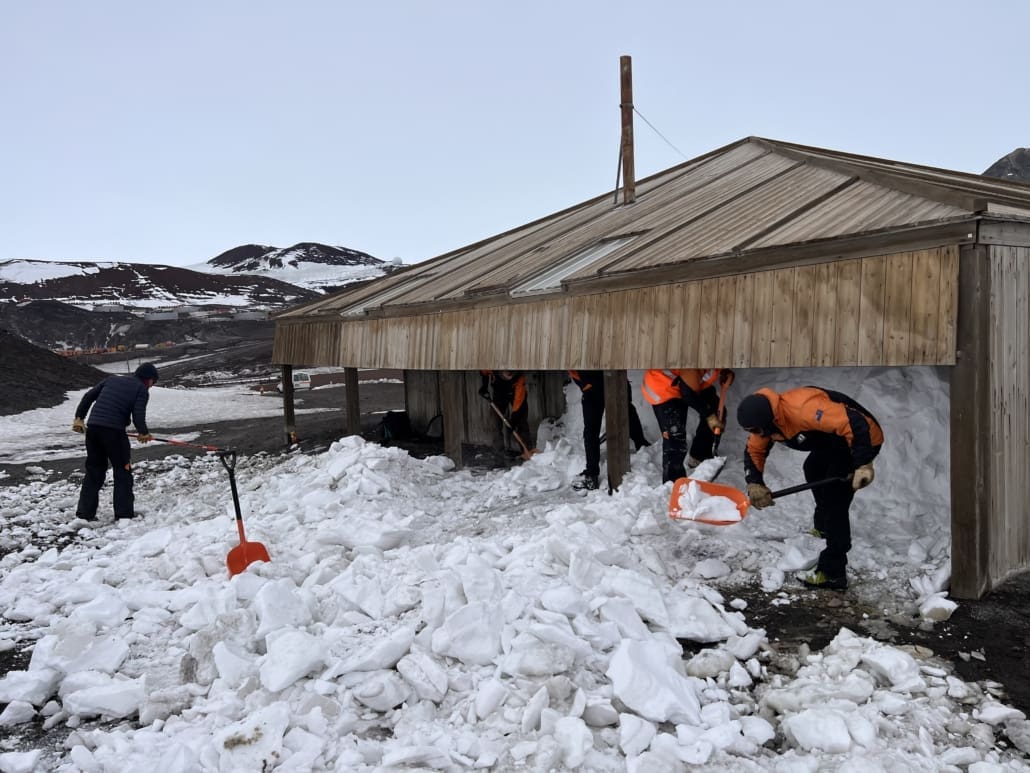
  • Ongoing monitoring and maintenance programme in place.

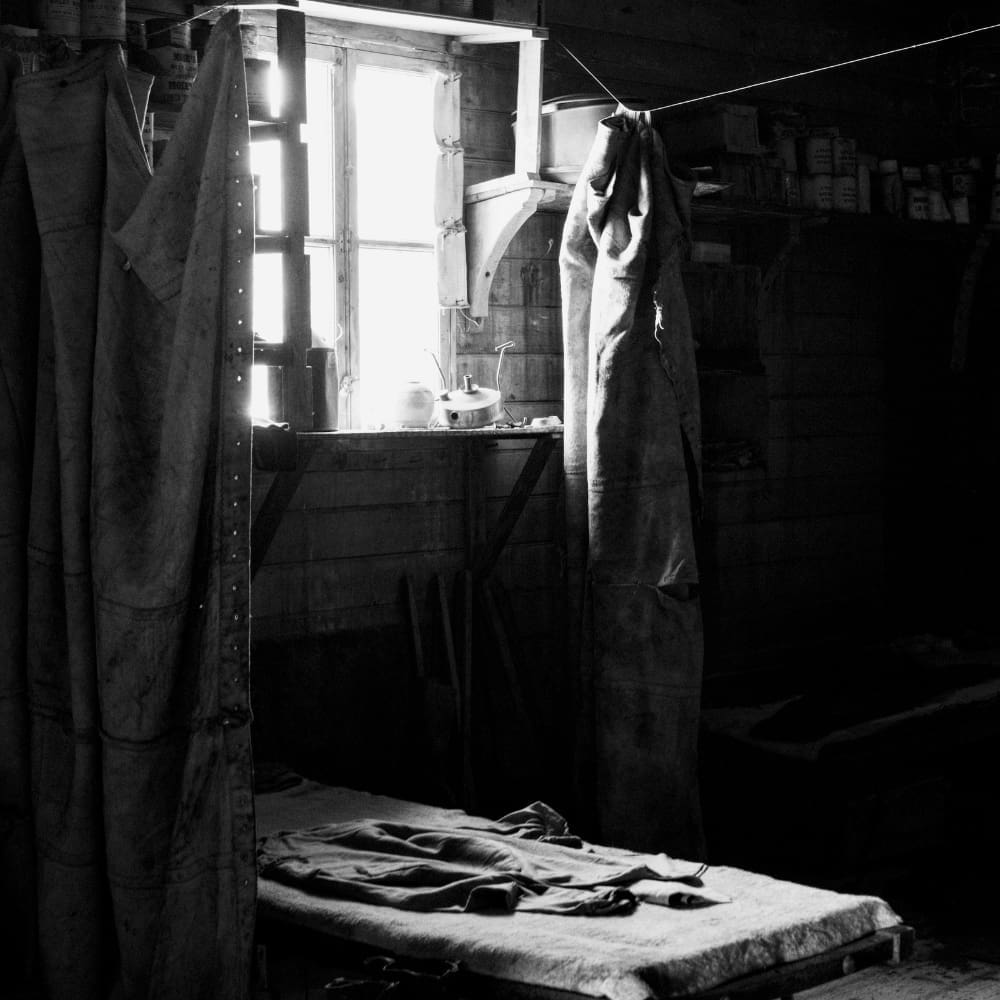
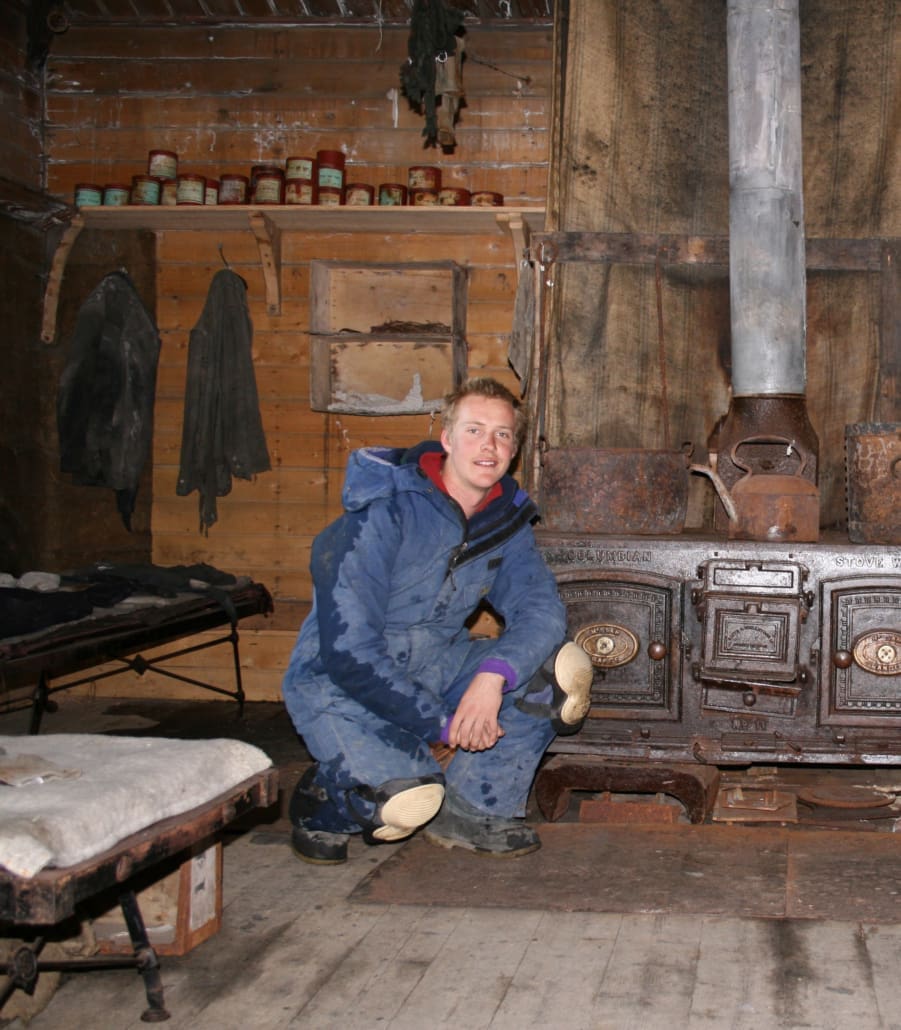
In Shackleton’s hut at Cape Royds windows illuminate the interior with a soft glow, and the stove sits in the centre of the room, as if ready to boil the kettle. As the team explore, they experience a sense of goodwill and protection. Shackleton’s final act of nailing the key to the door as he left with an invitation welcoming those in need evokes a feeling of manaakitanga (hospitality, kindness, generosity, support).

Also in this episode

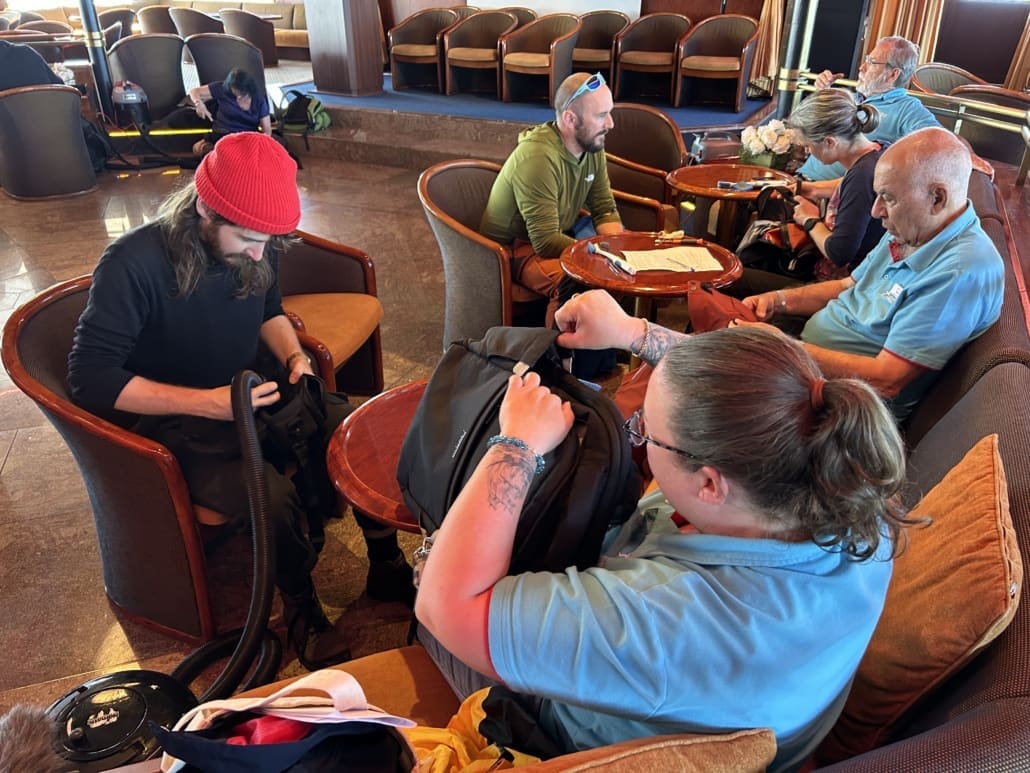
The team explain the biosecurity requirements they undertake to protect Antarctica’s unique biodiversity, and make preparations for returning a historic artefact.

Tucked into the undulating landscape at Cape Royds, on the edge of Ross Island, where the harsh winds of the Ross Sea meet the imposing presence of Mount Erebus, stands a humble wooden structure that tells a grand story of human perseverance and exploration.

This is Nimrod hut at Cape Royds, the base for Ernest Shackleton’s British Antarctic Expedition of 1907-1909. For over a century, it has stood as a silent witness to one of the most ambitious polar expeditions of the heroic-era of Antarctic exploration.

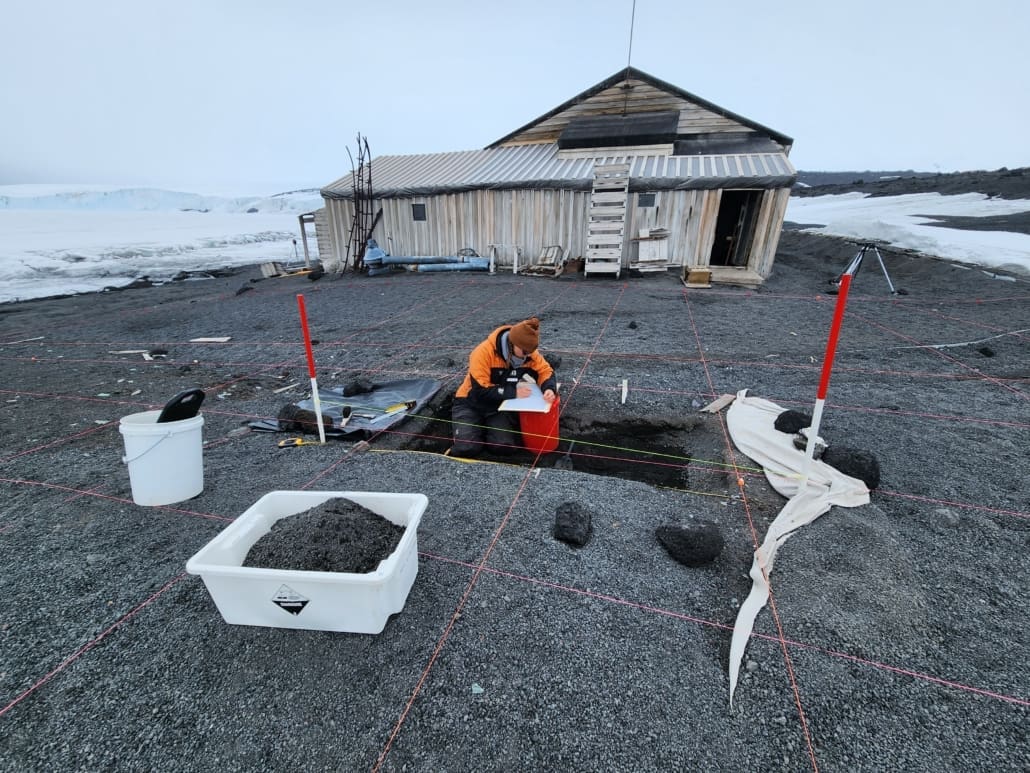
Since the completion of major carpentry conservation work in 2008, and the conservation of over 6,100 artefacts finishing in 2011, Trust conservators have undertaken an annual programme of monitoring and conservation interventions at the hut, where they’ve also made some world-famous discoveries.

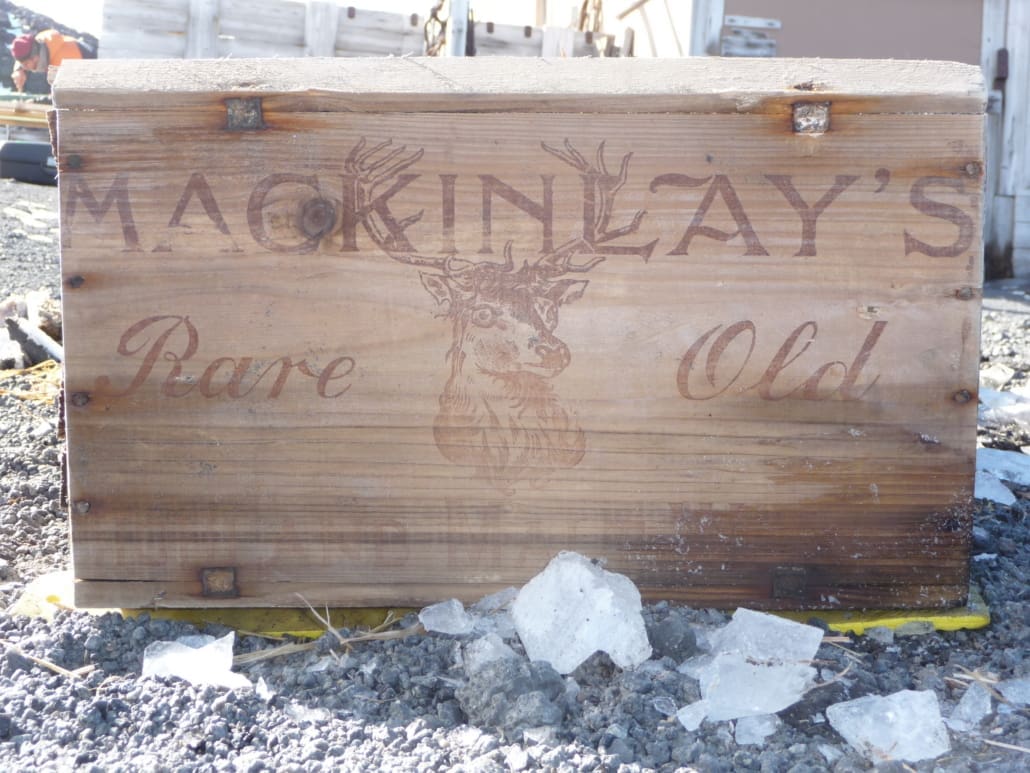
In January 2010, conservators from the Trust made an extraordinary discovery beneath Shackleton’s 1908 Antarctic base: five crates encased in ice, containing whisky and brandy. This discovery resulted in widespread media attention, including a book and National Geographic documentary both recording the whisky’s journey from obscurity to world-wide recognition. Sales of an exact replica of the century-old Mackinlay’s Rare Old Highland Malt Whisky, along with two subsequent homages to the original, help to support the Trust’s conservation work in Antarctica, through partner Whyte & Mackay (which owns the Mackinlay brand).

In 2019, the Trust returned a carefully reconstructed beer barrel to Shackleton’s hut, which was originally donated to the expedition, full of beer, by New Zealand brewery Speight’s in 1907. The Trust rescued parts of the barrel from Pony Lake at Cape Royds, and others were excavated from the ice near the hut. The Trust then connected with Speight’s Dunedin and one of New Zealand’s only practising coopers, Jurgen Voigtlander, who worked with the Trust to re-build the Speight’s barrel after the parts were brought back to New Zealand under permit in 2016 for conservation.

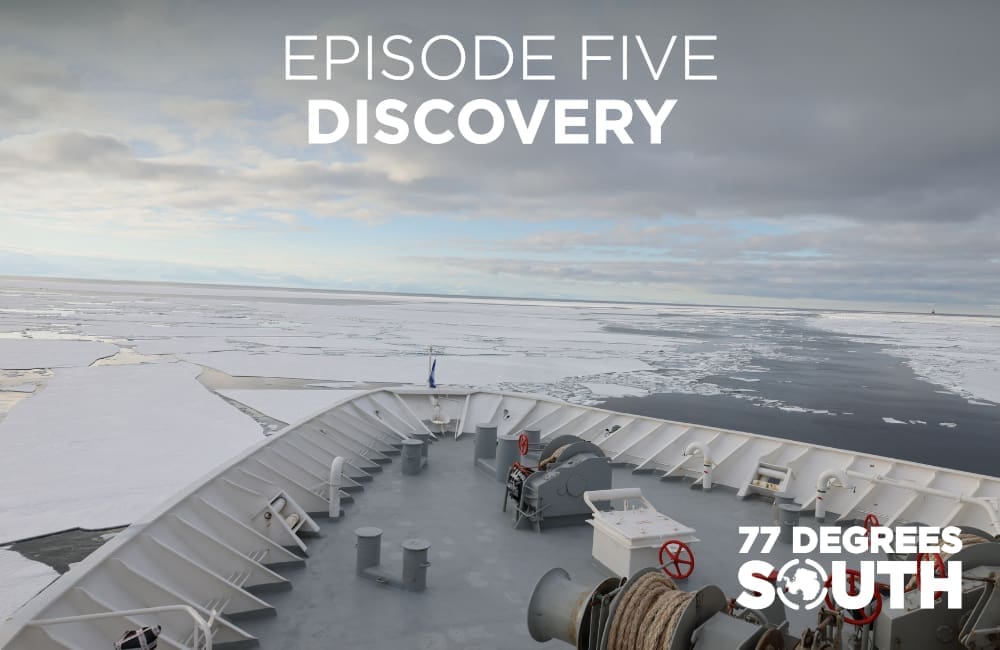
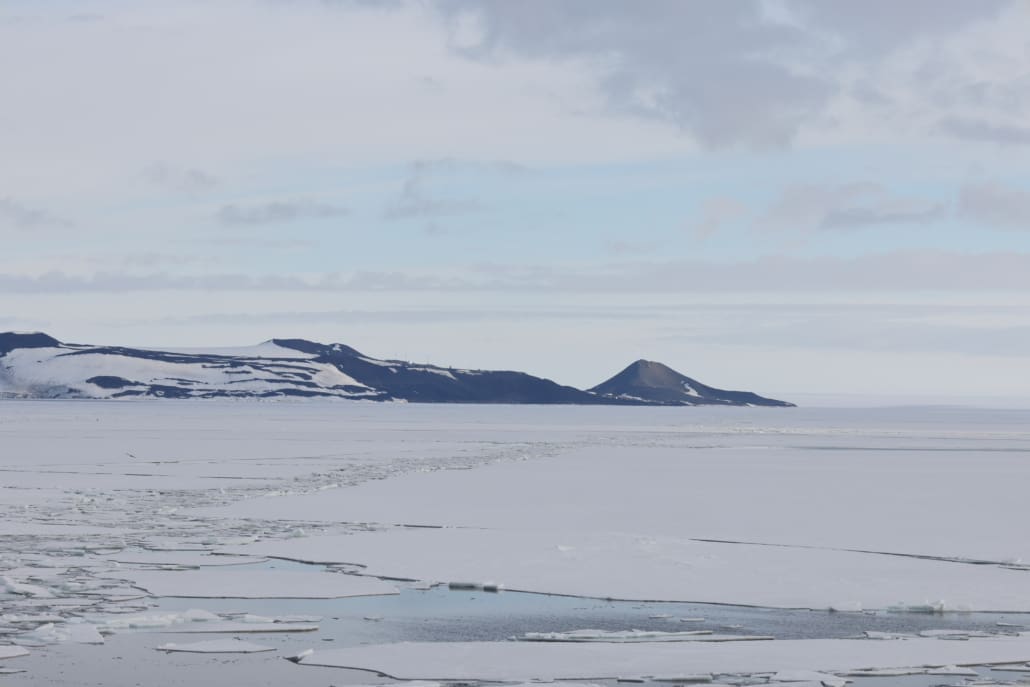
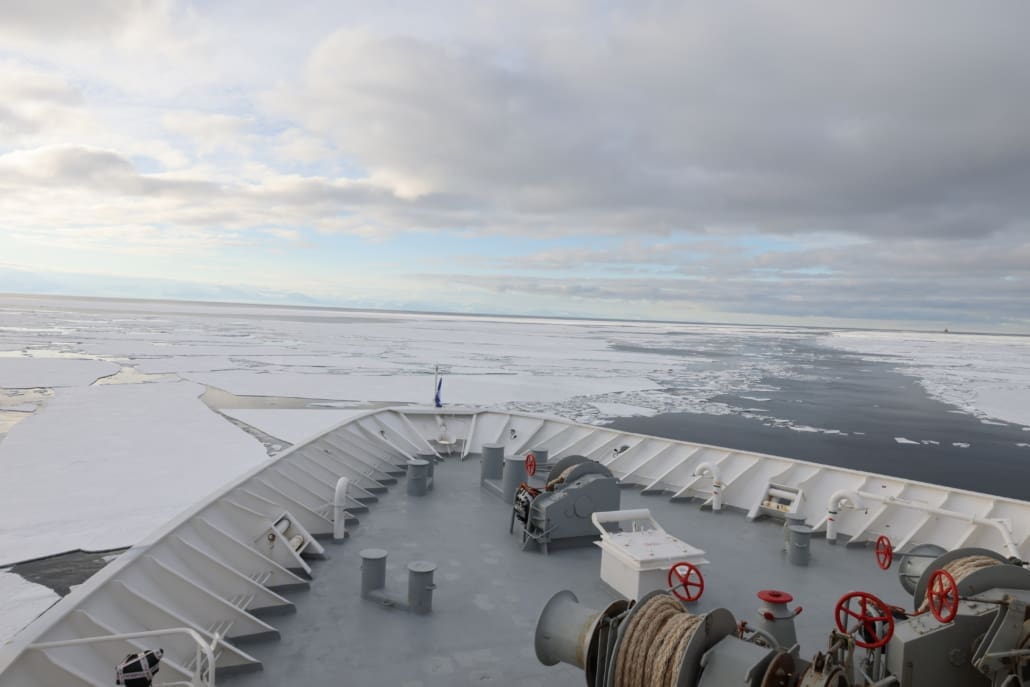
When thick sea ice prevents the team from reaching Scott’s Discovery hut at 77 degrees South, it looks as though they will be unable to achieve their mission to return a historic book to its home on the Ice. They visit a vast penguin colony at Cape Bird while waiting to see if nature will clear a path, but time is running out. Will they make it?

Also in this episode

Find out more about how Scott’s first Antarctic expedition and Shackleton’s Ross Sea Party used Discovery hut and how the Antarctic Heritage Trust approaches its conservation work to protect the historic huts.

At the tip of Hut Point Peninsula on Ross Island stands Scott’s Discovery hut, an enduring symbol of Antarctic exploration’s heroic-era. Constructed in March 1902 for Commander Robert Falcon Scott’s National Antarctic Expedition 1901–1904, this resilient structure has endured over 120 years of Antarctica’s harshest weather.

Led by Commander Robert Falcon Scott, the Discovery expedition was the second expedition to winter over on the Antarctic continent, and the first to carry out significant exploration and extensive scientific research in the region. During the summer of 1902–03, three of the most famous men in Antarctic exploration – Scott, Shackleton and Wilson – sledged to 82º 16’ S, the furthest South on earth anyone in history had ever been before.

On 4 February 1902, during flights in a hydrogen balloon over the Ross Ice Shelf, Shackleton took the first ever aerial photographs of Antarctica. On the expedition’s return home, 11 volumes of pioneering scientific results were published, and Scott was welcomed as a national hero.

The hut’s strategic location in relation to the South Pole made it a crucial staging post for every subsequent expedition of the heroic era that ventured to Ross Island, serving as a vital link in the chain of early polar exploration.

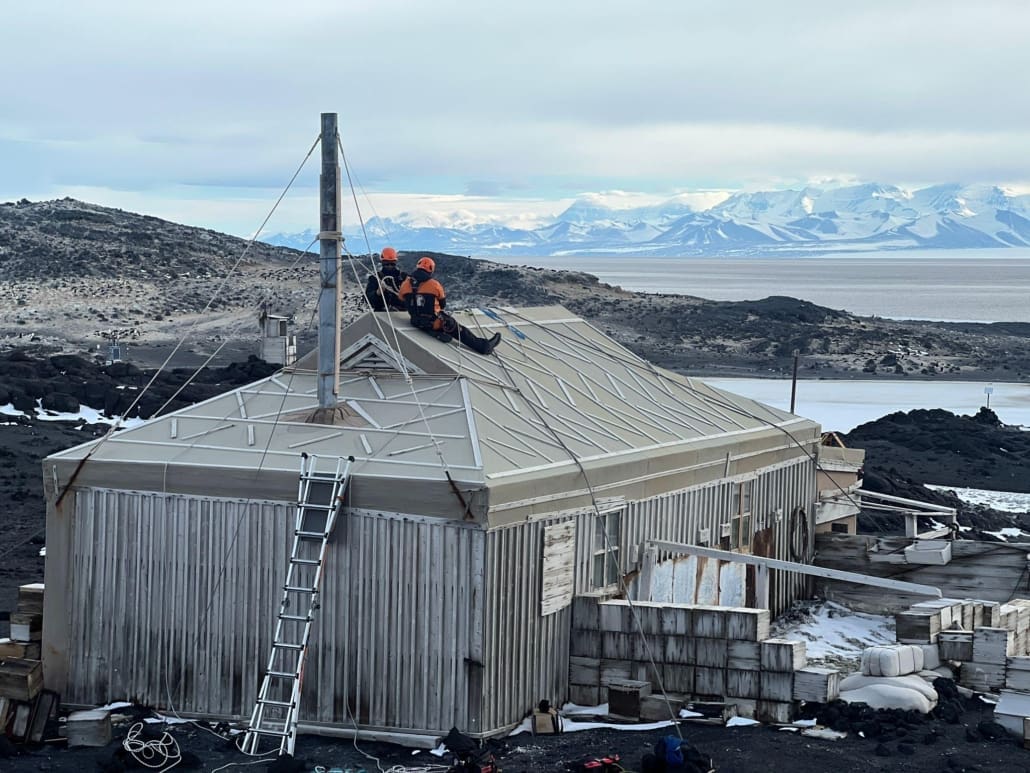
Recognising the site’s profound historical and cultural significance, the Antarctic Heritage Trust initiated a comprehensive conservation effort as part of its Ross Sea Heritage Restoration Project (RSHRP), with a Conservation Plan for the site published in May 2004.

  • Two-year carpentry and one-year artefact conservation programmes completed (2013 – 2015).
  • 500+ artefacts conserved. Building repaired and weather tight.
  • Ongoing monitoring and maintenance programme in place.

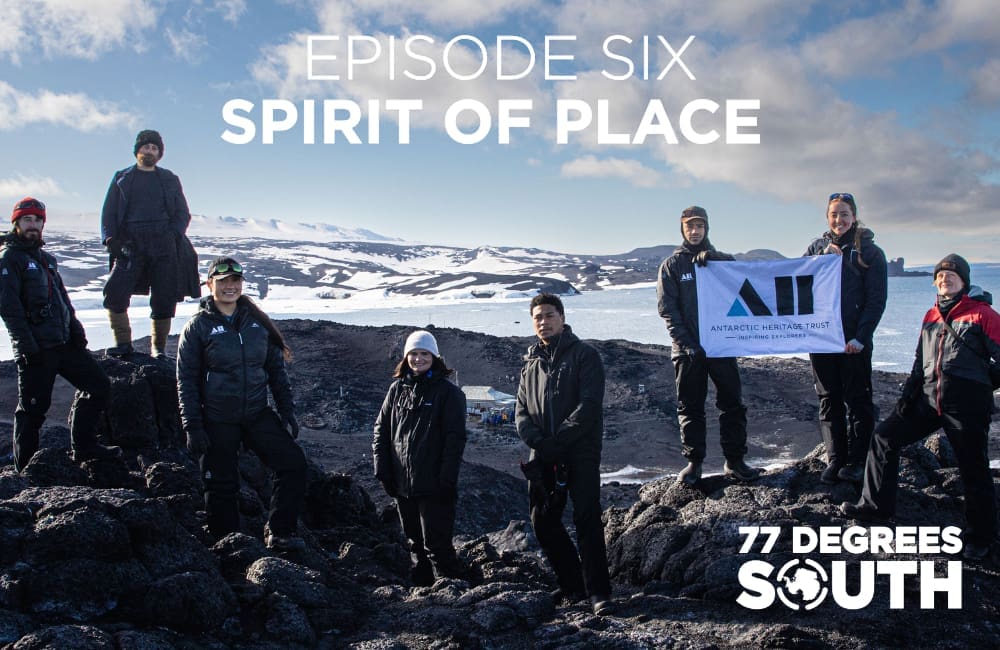
As they turn North and head for home, they reflect on the spirit of place within the sites they have visited, how this experience has changed them, and what’s next on their journey as heritage kaitiaki (guardians). To help figure this out, they speak to James Blake, who followed Shackleton’s route across South Georgia on the first Inspiring Explorers Expedition™ 10 years ago, and went on to document finding the wreck of the Endurance.

Also in this episode

The team consider the impact of climate change on the historic huts, and as they pack up, think about what they are most looking forward to about home.

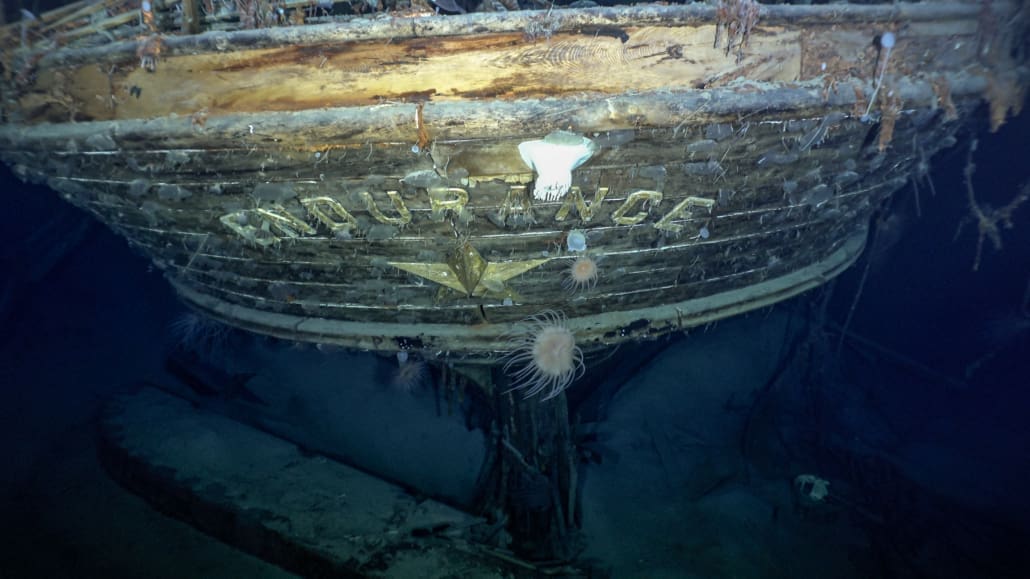
Endurance, the ship that carried Sir Ernest Shackleton and his crew on the Imperial Trans-Antarctic Expedition (1914–1917) was crushed by the ice and swallowed by the Weddell Sea in 1915 and thought to be lost forever. But in 2022 – 107 years later – its resting place on the floor of the Weddell Sea, at some 3,000m depth was discovered by the Endurance22 Expedition in rare favourable conditions. Locating the wreck was considered almost impossible. However, the expert team defied the odds, by combining cutting-edge subsea technology with historical archival research from the original expedition and located the ship just a few miles from where Frank Worsley, the Captain of Endurance, had recorded it in 1915. Learn more at ukaht.org

Antarctic Heritage Trust’s Inspiring ExplorersExpeditions™ provide opportunities for young people to experience and challenge themselves in Antarctica and the polar regions. These expeditions connect young people with the legacy the Trust cares for and encourage them to embrace that same spirit of exploration. It is a spirit as critical in the 21st century as it was over a century ago. 

Our expeditions also create opportunities for the young change-makers of tomorrow to connect with and be inspired by the qualities of the early Antarctic explorers.  The programme draws on the legacies of the great polar heroes to help participants grow an ‘Explorer Mindset’ and foster the Shackletons and Hillarys of the future—the young people who will drive change and instigate new perspectives for tomorrow’s world. 

By making the legacy the Trust cares for relevant, we hope young people will identify with it, value it, and in the future be motivated to protect it. 

The expeditions not only change participants’ lives, they create a platform to share inspiring stories and experiences with participants’ communities and a wide audience.

Read the Team’s Blogs

Kitiona ‘Billy’ Pelasio

During the holidays I got a random email from one of my teachers about the Inspiring Explorers Expedition™ to the Ross Sea, telling me I should apply. I didn’t think I’d have a chance of being selected but applied anyway.

Louise Piggin

The journey to Antarctica reminded me of how deeply entwined our lives are – through history to our day-to-day lives. Like the men who ventured into the Antarctic unknown, we depend on each other to survive.

Daniel Bornstein

Even today, through the nebulous fog of boyhood memories, I can distinctly recall the day I managed to reach to the top shelf of my grandparent’s bookcase and retrieve the prettiest book: The Count of Monte Cristo.

Calum Turner

I’m not usually a morning person, but waking up to the sound of broken pack sea ice scraping gently against the metal hull of the ship got me out of bed with my audio recorder in hand in less than ten seconds.

Maia Ingoe

At Cape Evans, the hut used by Scott’s Terra Nova expedition, still stocked as to survive another winter in the dark, had blue and white enamel dishes and mugs – so well loved by many in Aotearoa, including my father.

Lucy Hayes-Stevenson

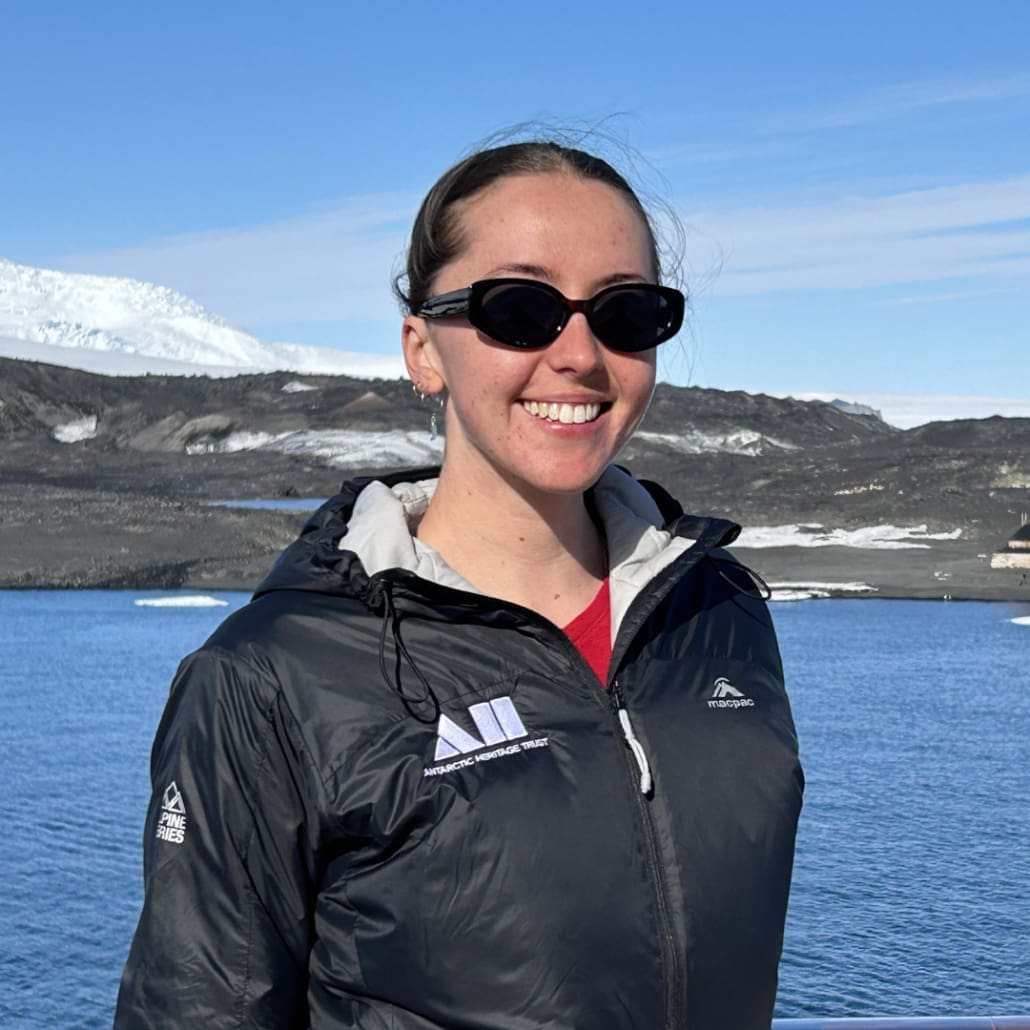
Experiencing an almost untouched environment was unlike anything I’d encountered before. For four days, we were surrounded by the endless horizon of the Southern Ocean, with blue and humpback whales appearing as if to greet us.

Jake Bailey

Upon returning home from Antarctica, the first thing anyone fortunate enough to have had the incredible privilege of going to the end of the earth figures out is that everyone has the same question for you: ‘How was it?’.   

Ngawai Clendon

Before Antarctica, I had this idea that travel was about seeing new places, ticking boxes on a list. But when I arrived in Antarctica, I realised something important: travel isn’t just about seeing new landscapes.