• 0Shopping Cart
Antarctic Heritage Trust
  • CONSERVE
    • Ross Sea Heritage Restoration Project
      • History of the Project
      • Season Update
    • Explorer Bases
      • Borchgrevink’s Hut, Cape Adare
      • Scott’s Hut, Hut Point
      • Shackleton’s Hut, Cape Royds
      • Scott’s Hut, Cape Evans
      • Hillary’s Hut, Scott Base
      • Location Map
    • Famous Discoveries
      • Ross Sea Party Tent
      • Shackleton’s Whisky
      • Century-old Fruitcake
      • Dr Edward Wilson Watercolour
      • Levick’s Notebook
      • Ross Sea Party Photos
      • Shackleton’s Beer Barrel
    • Antarctic Peninsula Partnership – UKAHT
      • Port Lockroy
      • Stonington Island
      • Horseshoe Island
  • SHARE
    • Latest News
      • Blogs
      • Conservation
      • Inspiring Explorers™
    • Immersive Technology
      • Scott’s Discovery Hut Minecraft World
      • Scott’s Discovery Hut Virtual Reality Experience
      • Hillary’s Hut Virtual Reality
      • Bookings
      • Antarctica 360 VR
    • Outreach & Publications
      • Across the Atlantic
      • Polheim
      • Strategic Plan
      • Annual Impact Reports and Financials
      • The Explorer Newsletter
      • In Nansen’s Footsteps Film
      • Mt Scott Film
      • The Last 36 Film
      • On Satin Waters – Musical Composition
      • Frozen in Time: Scott’s Antarctic Legacy Podcast
      • A Musical Journey to Antarctica
      • Climate Insights from Antarctica: Exclusive Interview with George Denton
    • Exhibitions
      • Still Life
      • Breaking the Ice: The First Year in Antarctica
      • The Frozen Wild: Photographic & Soundscape Exhibition
    • Educational Resources
      • Icy Heritage – Antarctic Heritage Trust Digital Collection
      • Scott Polar Research Institute
      • Royal Geographical Society
      • LEARNZ Virtual Field Trips
      • Cool Antarctica
      • Antarctica New Zealand Image Library
  • ENCOURAGE
    • Inspiring Explorers Expeditions™
      • 2026 – Antarctic Peninsula
      • 2025 – Ross Sea Antarctica
      • 2023 – South Georgia
      • 2022 – South Pole
      • 2022 – In the Footsteps of Hillary
      • 2021 – Mahu Whenua Traverse
      • 2020 – Antarctic Peninsula
      • 2019 – Antarctic Peninsula
      • 2018 – Greenland Ice Cap
      • 2017 – Climbing Mount Scott
      • 2015 – Crossing South Georgia
    • Young Inspiring Explorers™
      • 2024 – April Summit
      • 2023 – November Summit
      • 2023 – Explorer Conference
      • 2022 – November Summit
      • 2022 – June Summit
      • 2021 – Worsley Weekend
      • 2021 – Explorer Conference
      • 2020 – Summit
      • 2020 – Worsley Weekend
      • 2019 – Summit
    • Inspiring Explorers Education™
      • Scott’s Discovery Hut Minecraft World
      • Antarctic Augmented Reality
      • Antarctic Virtual Reality
      • Meet our Education Team
    • Updates and Applications
      • Apply
      • Latest Inspiring Explorers™ Updates
      • Reach the World Partnership
  • SUSTAIN
    • Ways to Give
      • Donate Today
      • Become a Member
      • Renew Your Membership
      • Donate an Artefact
      • Leave a Gift in Your Will
    • Supporters and Partners
      • Our Partners
      • Sponsorship Opportunities
      • Your Impact
    • Inspiring Explorers™ Fund
      • About the Inspiring Explorers™ Fund
      • Donate to Inspire Explorers
      • Explorer Journeys
    • Shop
      • Gift Ideas
    • About AHT
      • Work with Us
      • Sustainability Framework
      • Alumni
      • Our People
      • Contact Us
    • Facebook
    • Twitter
    • Youtube
    • Vimeo
    • Instagram
    • LinkedIn
    • Mail
    • Mail
    • Mail
    • Mail
  • Search
  • Menu Menu
  • About AHT
  • Our People
  • Work with Us
  • Latest News
  • Donate
  • Join
  • Image Archive
  • Shop
  • Contact Us

Archive for category: News Story

A Venezuelan Connection

October 19, 2016 - Antarctic Blog

By Josefin Jimenez

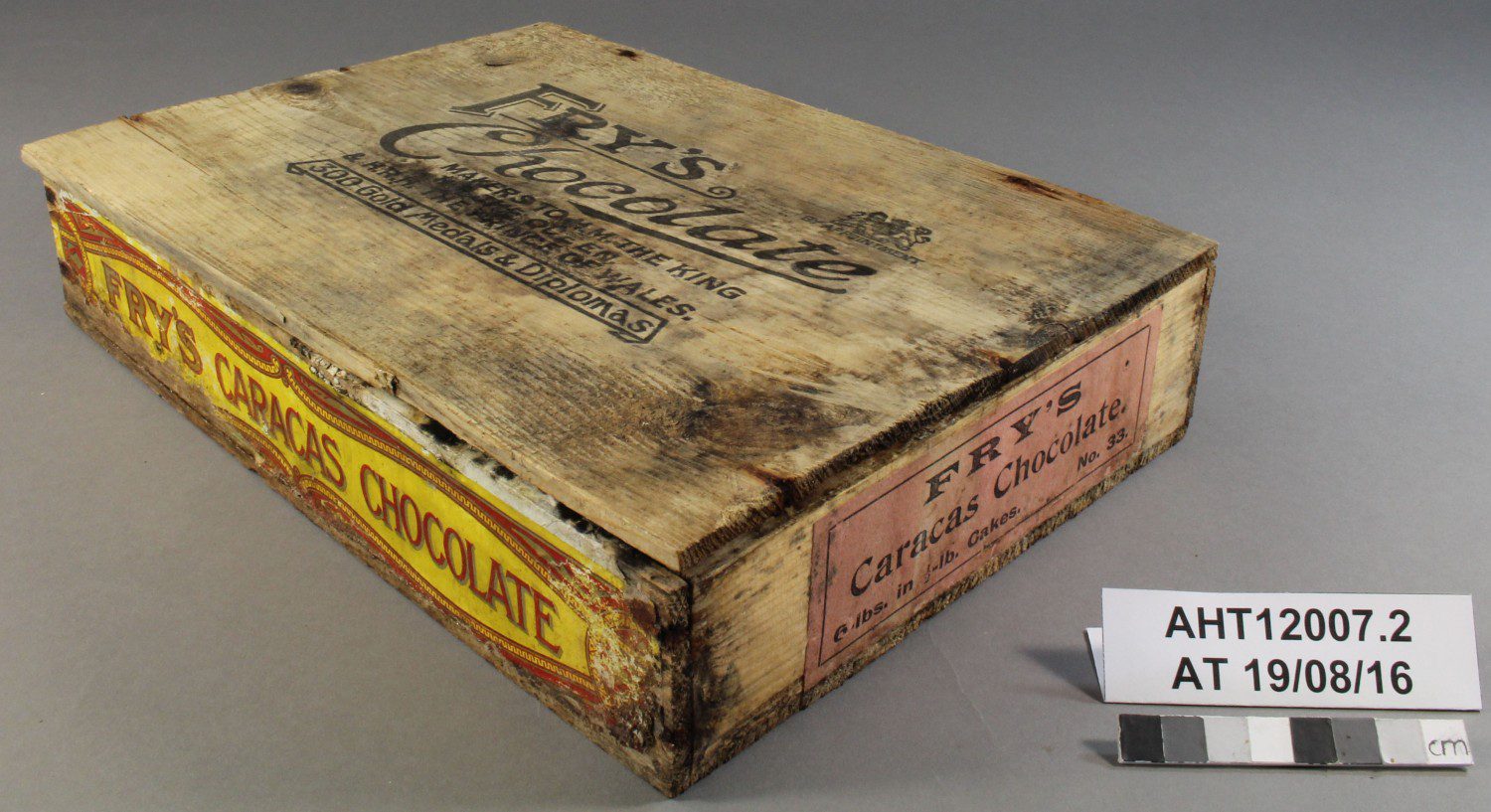
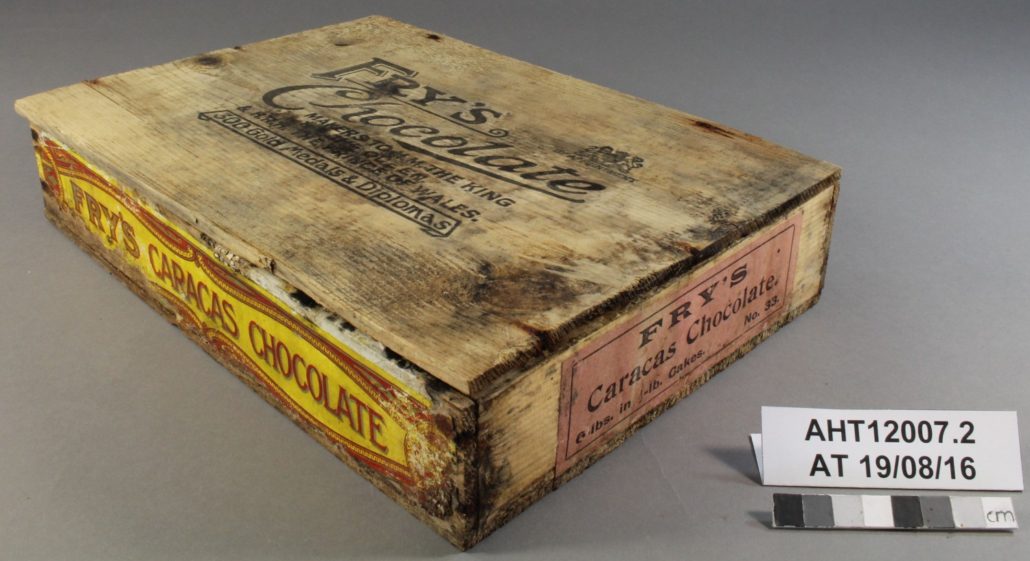
Conservator Ciaran Lavelle mused in an earlier post Life is like a box of Chocolates about the Fry & Son’s Caracas Chocolate box and the randomness of life, and I can here add another random little piece. As the paper conservator, I worked with repairing the paper components of the box, two exterior labels and the remains of a white interior paper lining with a stamped doily pattern.
Antarctic Heritage Trust

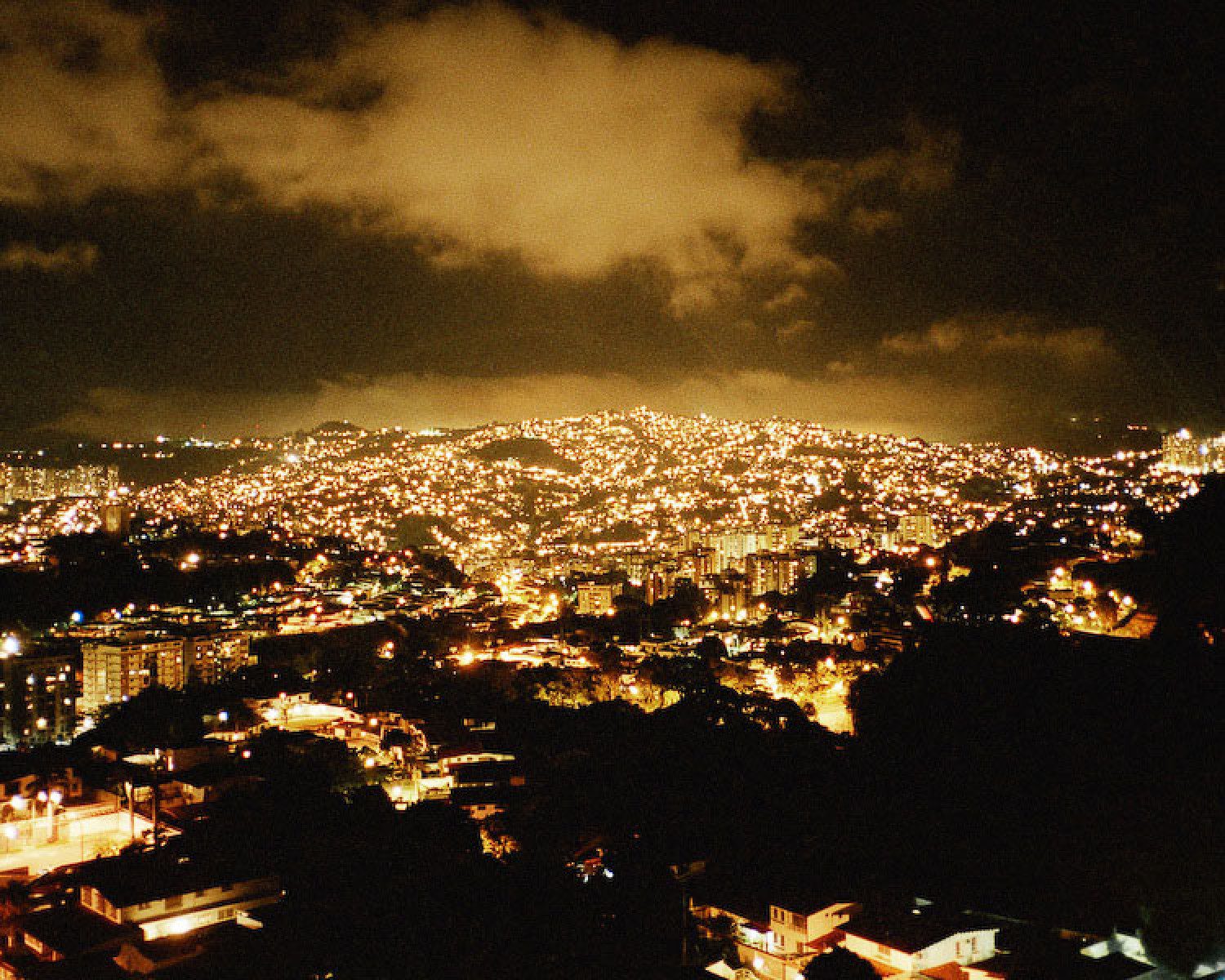
Caracas is the capital of Venezuela, perched atop the northern coast of the South American continent, the country known for its oil, its cocoa, and political unrest. Curiously, it is also where my father was born and lived until his early twenties.
 

Antarctic Heritage Trust - CaracasEmilia Bergmark-Jimenez

The sprawl of Caracas at night

To me and my siblings, growing up in Sweden; almost as far away from Venezuela as it is from New Zealand, it was a place both endlessly distant and strangely present. It was where my paternal grandmother, my abuela Vicenta lived, it was there my dad had once fallen from a wall and cracked his head open (bending down he would let us run our hands along his head to feel the scar), it was where my tios and tias and primitos lived. It was where my dad once had kept a baby caiman as a living pet in his bath tub. Dad would tell us stories about his family, about funerals, his school friends, about rich people and poor people, about drunks and strangers and about his mother’s house in Los Rosales. Dad came to Sweden by chance (on his way to study engineering in Soviet Russia) and decided to stay, eventually having five kids there. J.S Fry’ & Sons was established in 1822 and became the largest commercial producer of chocolate in Britain, the factory located in Union Street in Bristol. It was also the first company in England to produce eating chocolate, the Perl chocolate bar and Caracas Chocolate. Fry & Sons imported their cocoa beans from Venezuela, where at the time there was only one factory for domestic production and the bulk of the raw beans were exported. The beans would be transported to the factory in Bristol where they would be roasted, ground and shaped into chocolate bars. The bars were packed into boxes or tins and transported, and this particular box all the way to Antarctica with Borchgrevink and the first British Antarctic Expedition, 1898 ̶ 1900, to be found and taken to New Zealand where it would meet a genetic descendant, a stranger from home.
 

Antarctic Heritage Trust - Caracas viewEmilia Bergmark-Jimenez

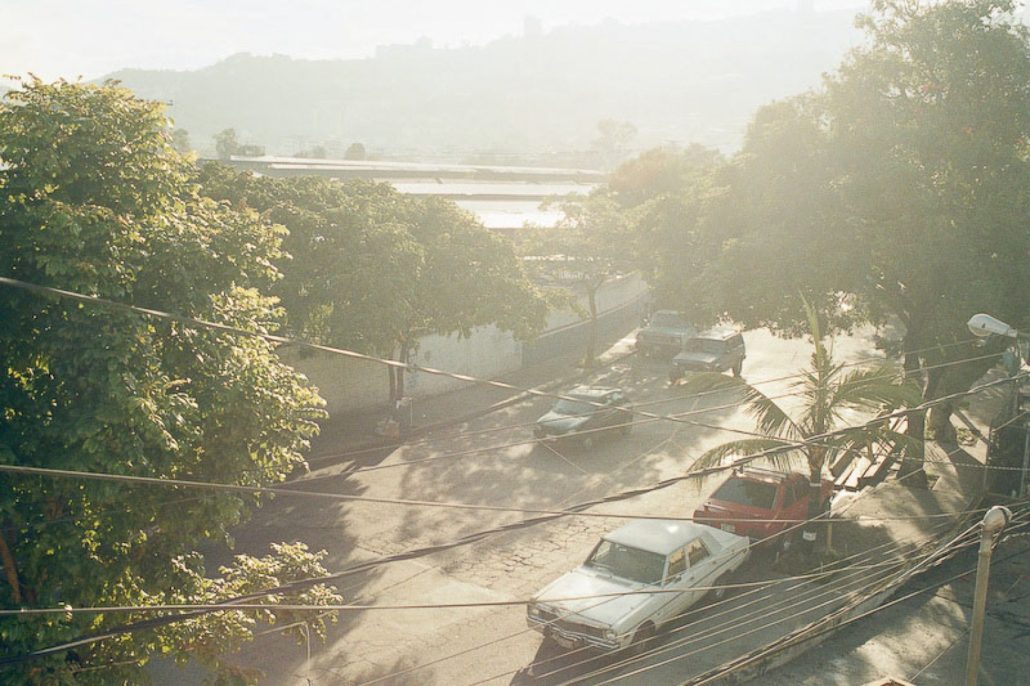
The view from my grandmother’s house

My dad didn’t return to Caracas for 20 years until he accompanied my brother there in 2002 and came there regularly after. My abuela died in October 2015 in her house, the last time he saw her was three years earlier as the political situation prevented travel. I have later come to doubt the veracity of the story of the baby caiman.
https://nzaht.org/wp-content/uploads/2019/01/the-sprawl-of-caraca5806dab2bff7c8.37288920-1500x.jpg 1200 1500 Comms https://nzaht.org/wp-content/uploads/2019/03/logo-dark.png Comms2016-10-19 21:48:482019-04-30 10:32:45A Venezuelan Connection

Life is Like a Box of Chocolates

October 11, 2016 - Antarctic Blog

By Ciaran Lavelle

Do you remember Forrest Gump sitting there on his park bench sharing not only his box of chocolatey delights but also his southern philosophy about the randomness of life?


Antarctic Heritage Trust - Fry's chocolate boxAntarctic Heritage Trust


As a 90s kid, I remember all too well and can remember quoting that film often, as I do now. I sit at my lab bench and look at my own chocolate box, a wooden Fry’s Caracas Chocolate box that would have originally contained chocolate cakes. It has sat on a shelf for over 100 years at the Southern Cross Expedition hut at Cape Adare and I can safely say, that with the randomness of the contents, you don’t know what you’re going to get next.


Antarctic Heritage Trust


Antarctic Heritage Trust - FrysAntarctic Heritage Trust

Frys chocolate box

https://nzaht.org/wp-content/uploads/2019/01/frys-chocolate-box-a57fd8faebfe232.33036088-1500x.jpg 817 1500 Comms https://nzaht.org/wp-content/uploads/2019/03/logo-dark.png Comms2016-10-11 21:57:582019-04-30 10:40:59Life is Like a Box of Chocolates

The Name of the Game

August 17, 2016 - Antarctic Blog

By Josefin Jimenez

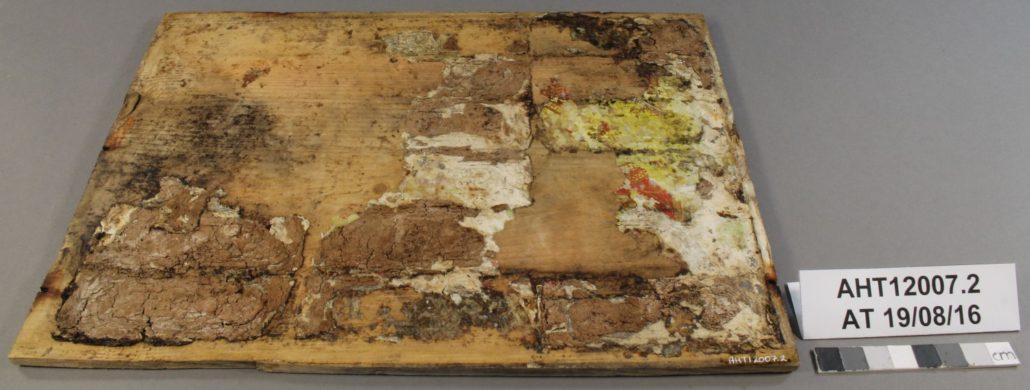
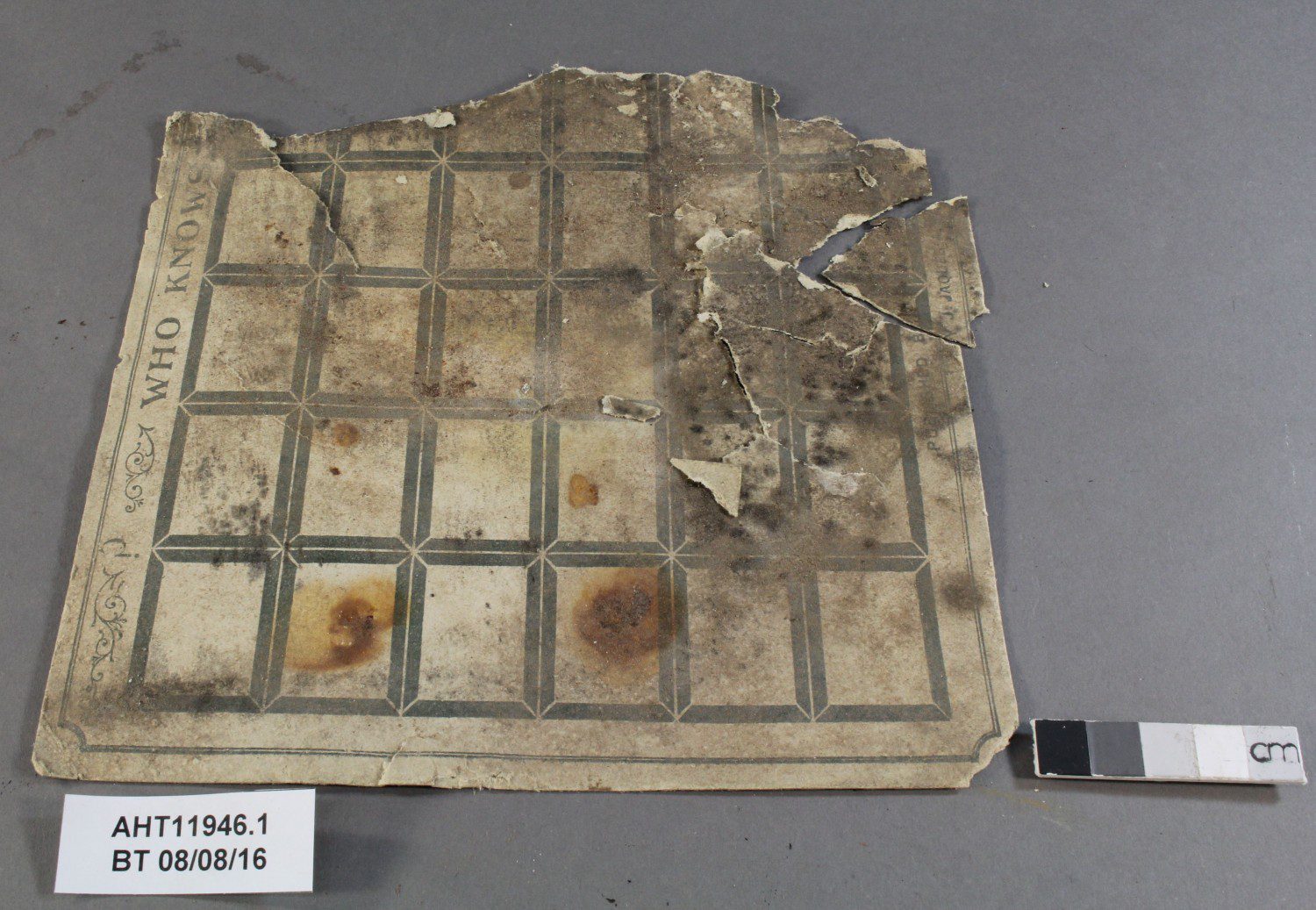
This week I have been working on half a piece of card, identified only as “Game: Card” in the collection database, with no further information on what kind of game, or how to play it.

'Who Knows?' board gameAntarctic Heritage Trust

‘Who Knows?’ board game

In his account of the British Antarctica Expedition 1898-1900 Borchgrevink talks about playing chess, cards and draughts to pass the time. He also mentions that the two Sámi members of the expedition, Persen Savio and Ole Must, played Sákhuu, a board game particular to Sámi culture.

So what kind of game does this particular board come from? After conservation treatment, two pieces of information were revealed: the title of the game, ‘Who Knows?’ and the name of the distributor, J Jaques & Sons.

John Jaques is a London firm, established 1756, which still exists today. They were the makers of such Victorian hits as Snap, Halma, and Ludo, not to mention the classics Tiddlywinks and Happy Families. “Who Knows?” is a lesser known game and could be considered an early version of Trivial Pursuit.

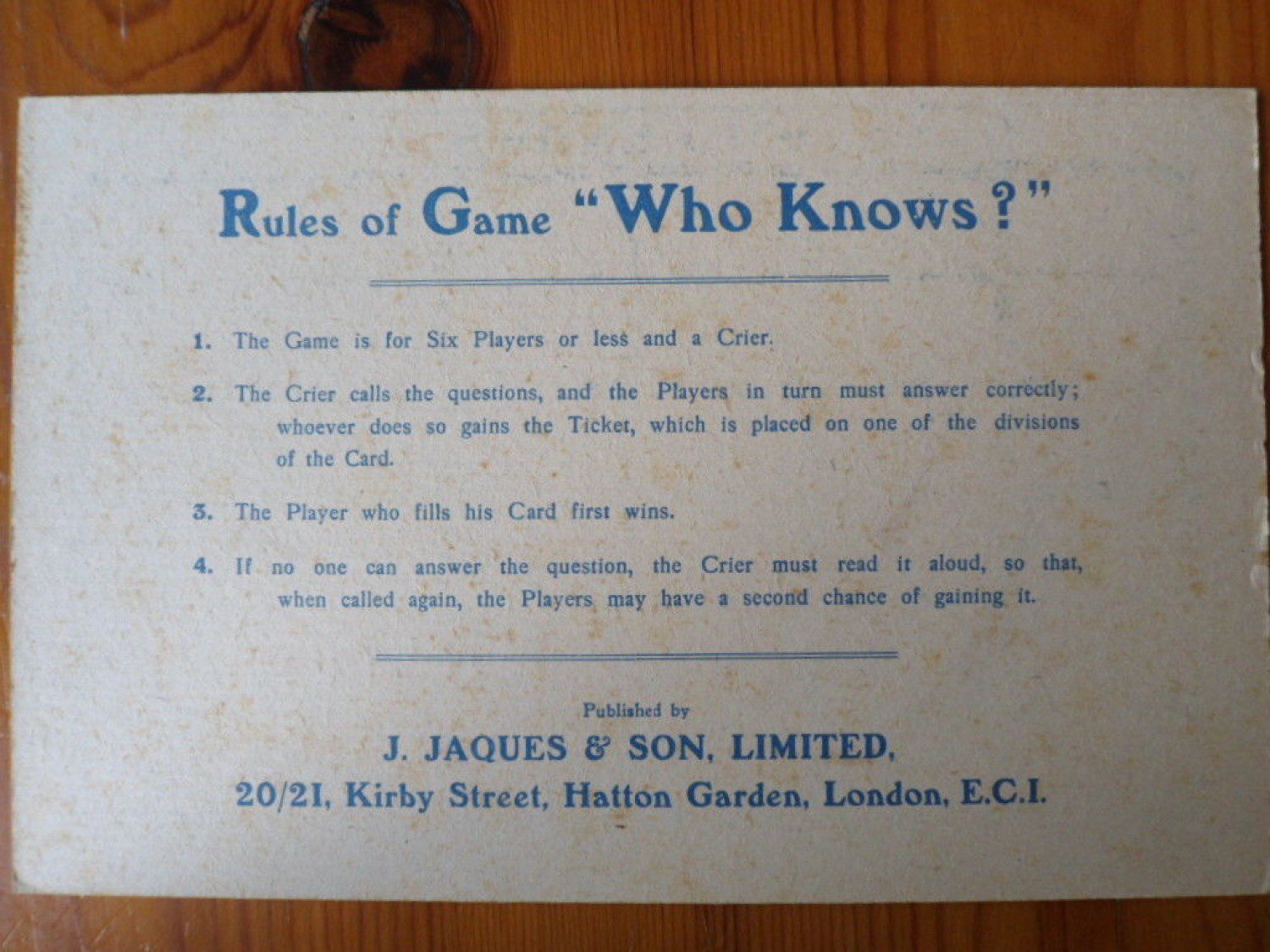
This vintage edition of the game, charmingly describes the rules as follows:

  1. Six Players and 1 Crier
  2. The Crier calls the questions, and the Players in turn must answer correctly; whoever does so gains the Ticket, which is placed on one of the divisions of the Card.
  3. The player who fills his card first wins.
  4. If no one can answer the questions, the Crier must read it aloud so that, when called again, the Players may have a chance at gaining it.
'Who Knows?' rulesAntarctic Heritage Trust

‘Who Knows?’ rules

A description of the game can be found in the V&A collections catalogue where we can learn more about the categories of the games tickets.

The subject of the cards are as follows:

47 geography
16 grammar
21 spelling
34 mental arithmetic
71 history
63 general knowledge

So far we haven’t seen any trace of either the other game boards or the tickets but as we are approximately half way through the Cape Adare objects I hope that the tickets will soon cross the treatment table.

https://nzaht.org/wp-content/uploads/2019/01/who-knows-rules57f2c83a0a7bb3.66911643-1500x.jpg 1125 1500 Comms https://nzaht.org/wp-content/uploads/2019/03/logo-dark.png Comms2016-08-17 22:04:462019-04-30 10:49:57The Name of the Game

Hair Today, Gone Tomorrow

August 12, 2016 - Antarctic Blog

By Ciaran Lavelle

Close your eyes and imagine what a typical explorer would look like. Now imagine your explorer traveling through an Arctic or Antarctic region.  What image have you drawn in your mind’s eye?

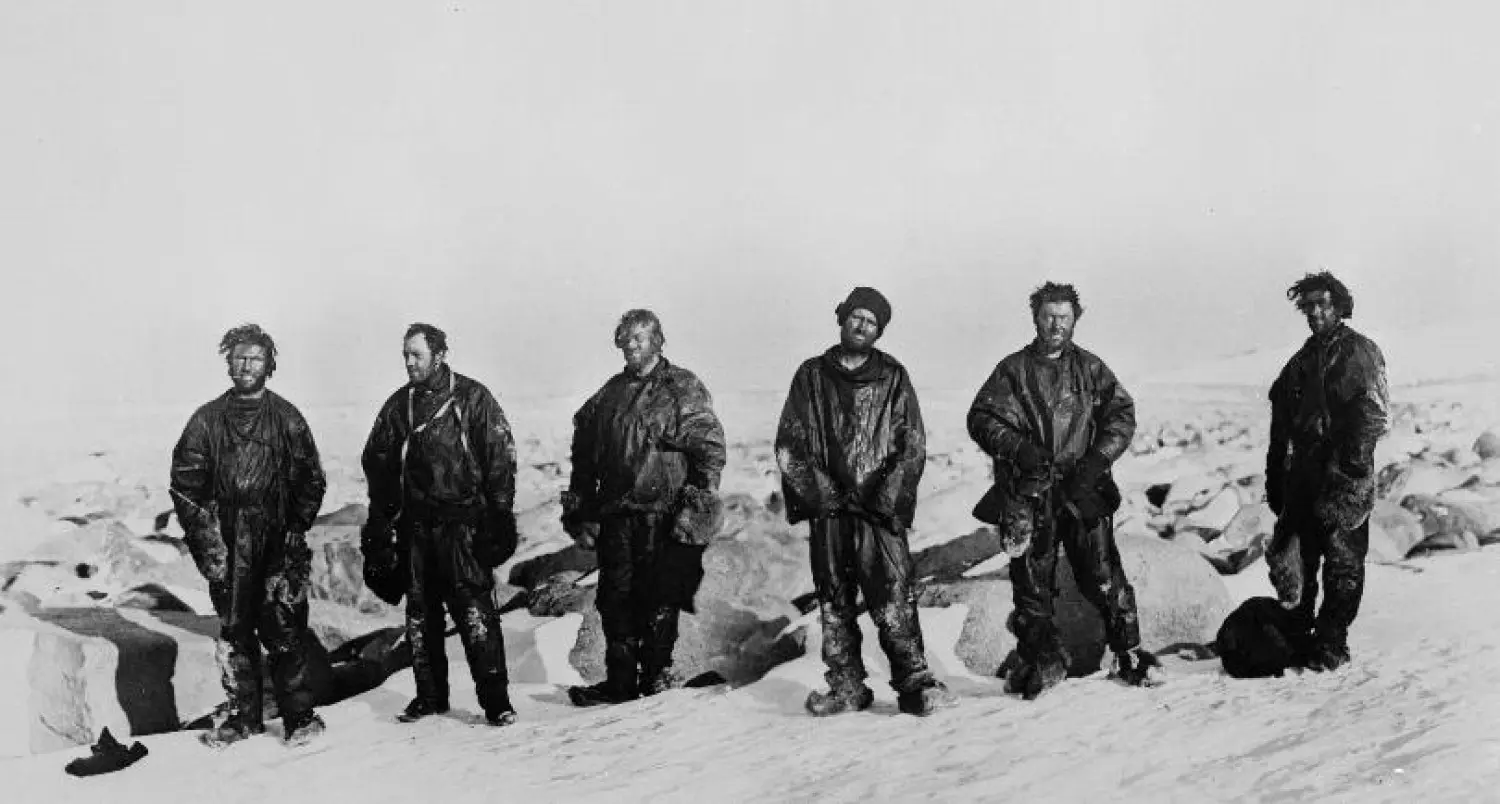
For me I always imagine a well-padded, shaggy-haired, bearded man. The first image shows Northern Party from Scott’s 1910-13 Terra Nova expedition before their arduous journey to Cape Evans from Inexpressible Island. The unruly hair and bushy beards tick all the boxes for an explorer, and I can only imagine that an extra layer of hair was a welcome insulation against the cold.

Scott Polar Research Institute

The Northern Party before their journey back to Cape Evans.

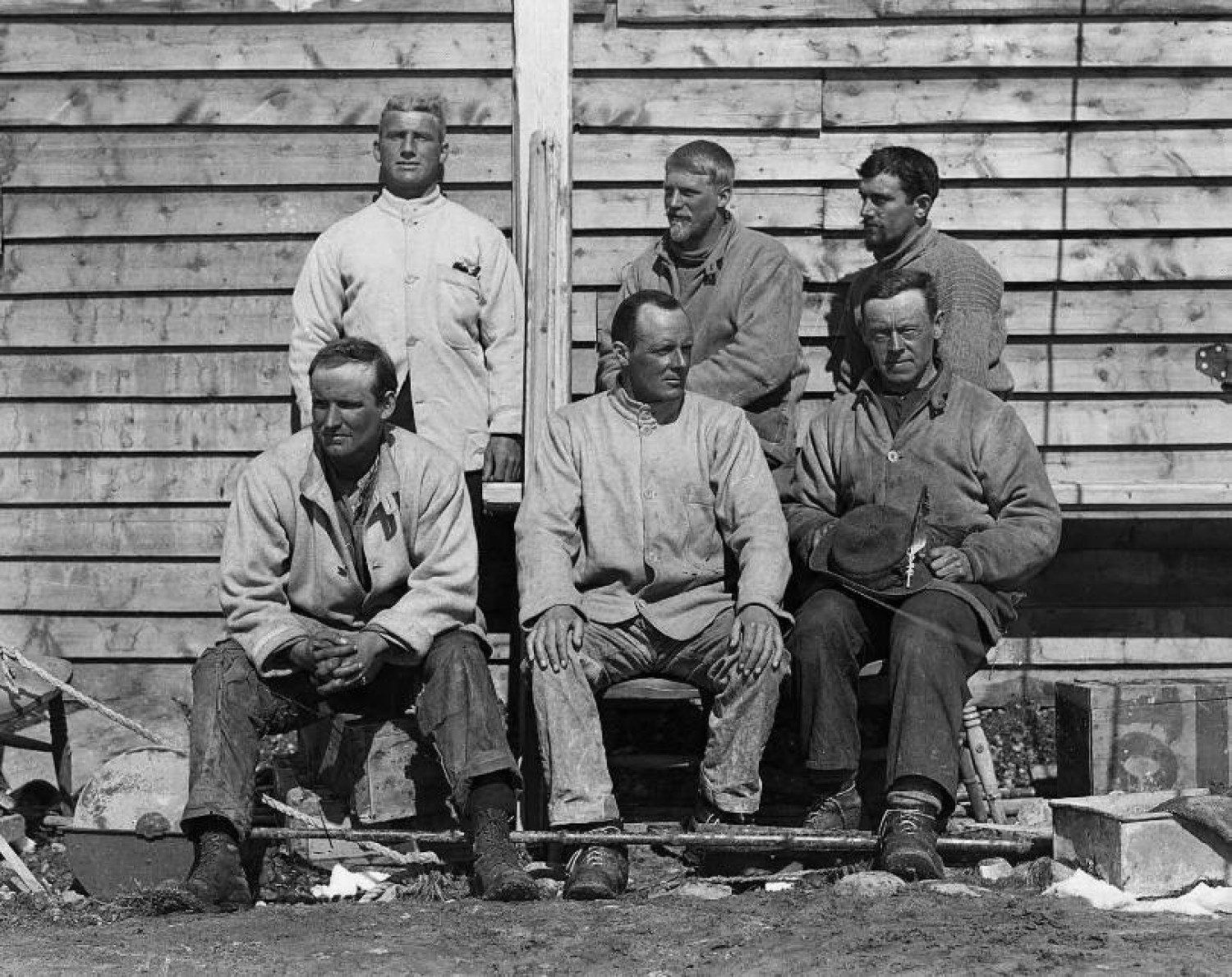
Although this image was not always the norm. The men of these early Antarctic expeditions to Cape Adare were learned men, and from the Naval tradition. Their appearance would have reflected their social stations; just look at the second photograph of the well-groomed, dapper men of Scott’s Northern Party sitting outside the hut at Cape Adare.    

Scott Polar Research Instiute

The Northern Party during their stay at Cape Adare.

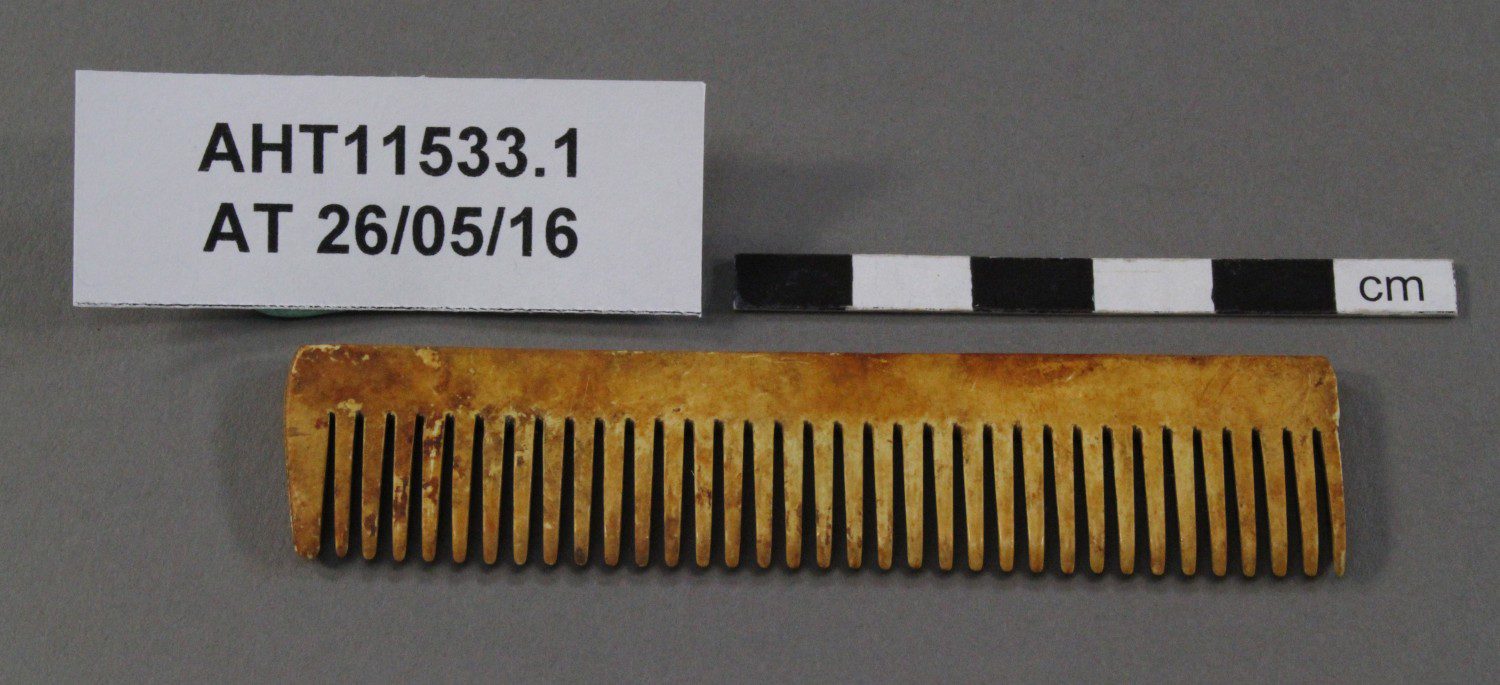
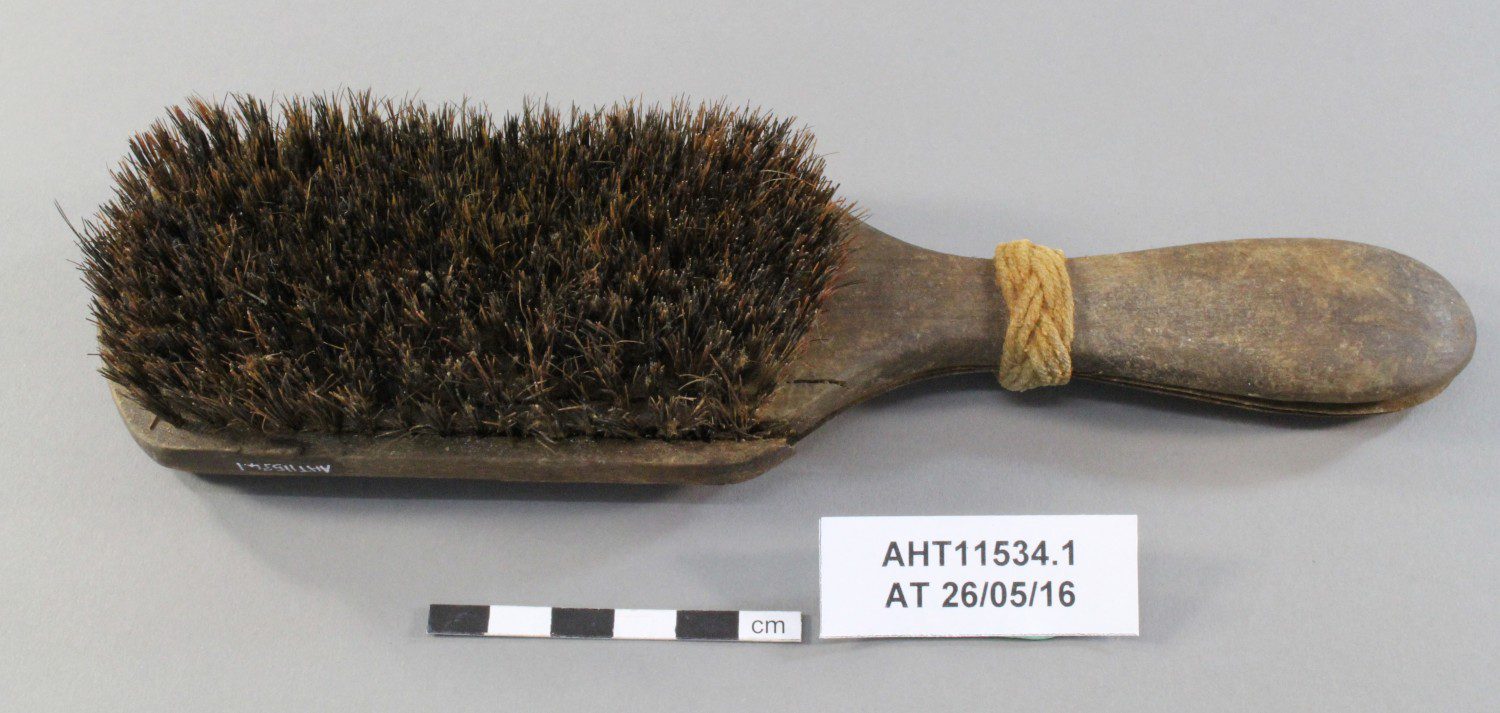
We see evidence of these grooming routines in the artefacts from the hut, with the bone hair comb and a hair brush (it is possible this could also be a clothes brush) seen in these images. The hair brush was particularly interesting object to conserve as it still retained hair within its bristles and also required a great deal of reconstruction as the bristles were loose and falling out.

Bone hair comb after conservation.Antarctic Heritage Trust

Bone hair comb after conservation.


Hair or clothes brush after conservationAntarctic Heritage Trust

Hair or clothes brush after conservation

https://nzaht.org/wp-content/uploads/2019/01/the-northern-party-d57f2cfcb3476b8.45960916-1500x.jpg 804 1500 Comms https://nzaht.org/wp-content/uploads/2019/03/logo-dark.png Comms2016-08-12 22:12:192019-12-17 11:45:06Hair Today, Gone Tomorrow

Tea Towels: Hemmed and Ready for Use

August 10, 2016 - Antarctic Blog

By Stefanie White

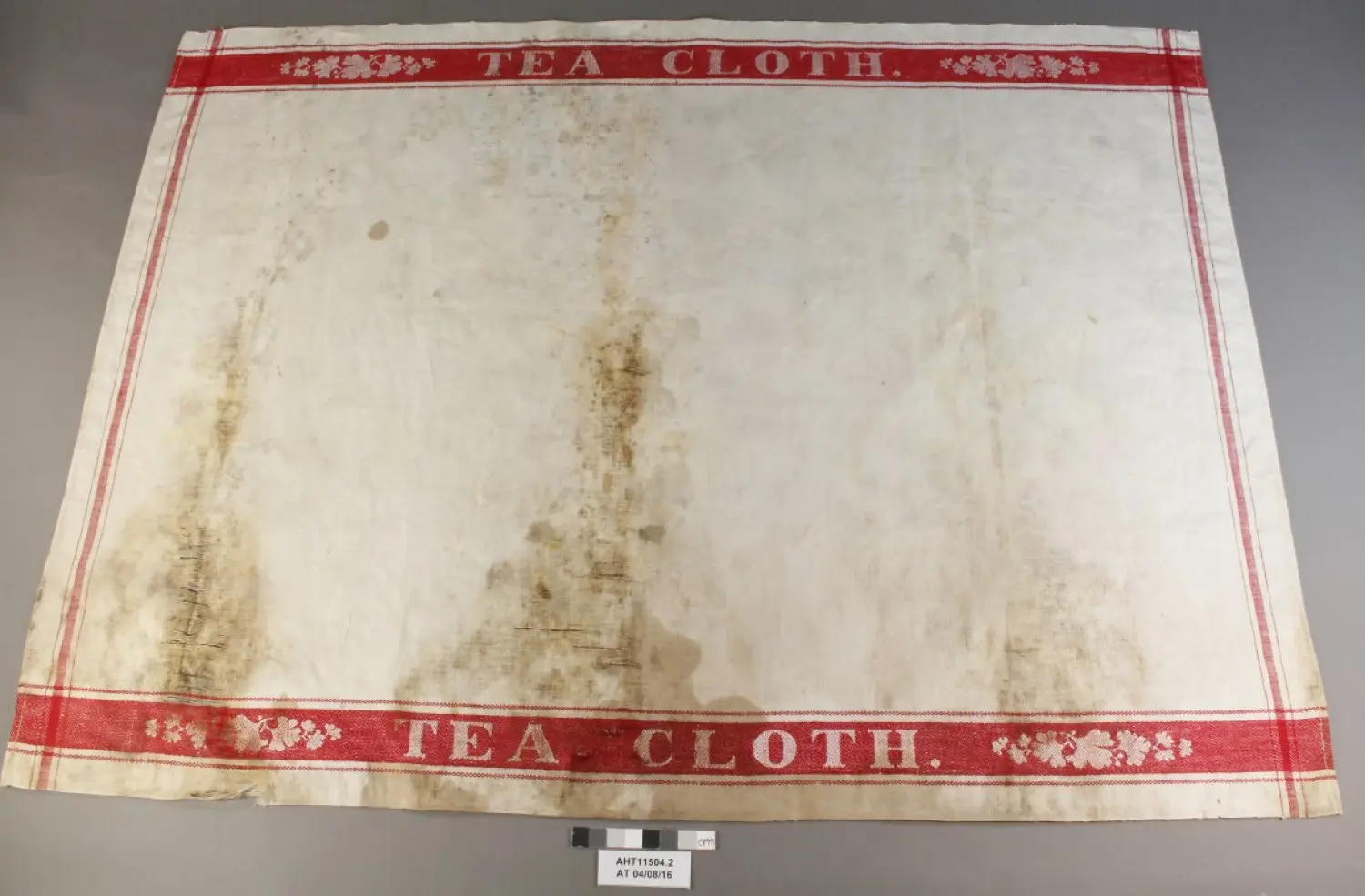
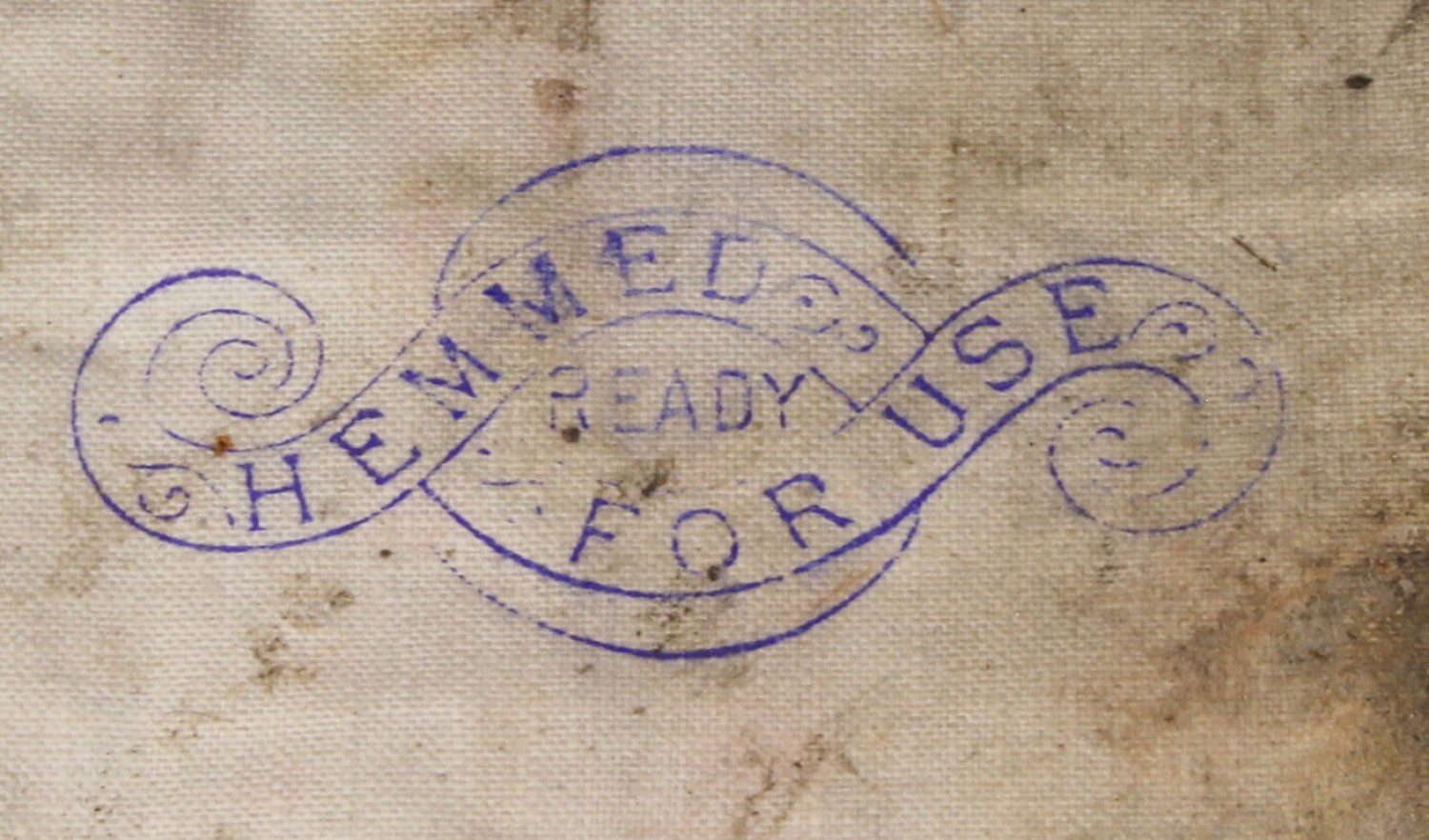
20 unused tea towels from Cape Adare are currently undergoing conservation treatment. They are all of white linen material with a red border along the top and bottom with words reading ‘TEA CLOTH’ and a delicate leaf damask in white. Interestingly, the towel is has been stamped with bright blue ink reading ‘Hemmed and ready for use’. Traditionally, a tea towel was a luxury item that often the lady of the house would embroider, use to polish precious crockery or to cover food baskets with. These towels would came unhemmed and were typically hemstitched by servants or house maids. However, with the industrial revolution, tea towels became to be mass produced and even ‘hemmed and ready for use’. Among the collection of Tea towels found at Cape Adare, we see a nice example of this 19th/20th century new style of tea towel.

I wonder why they were not used…

Before treatment of tea towelAntarctic Heritage Trust

Before treatment of tea towel

After treatment of tea towel

Hemmed, ready for useAntarctic Heritage Trust

Hemmed, ready for use

https://nzaht.org/wp-content/uploads/2019/01/hemmed-ready-for-use57f1be16a97b37.10780897-1500x.jpg 882 1500 Comms https://nzaht.org/wp-content/uploads/2019/03/logo-dark.png Comms2016-08-10 00:00:352019-04-30 10:52:08Tea Towels: Hemmed and Ready for Use

Why Did Levick Leave His Personal Items Behind?

August 5, 2016 - Antarctic Blog

By Stefanie White

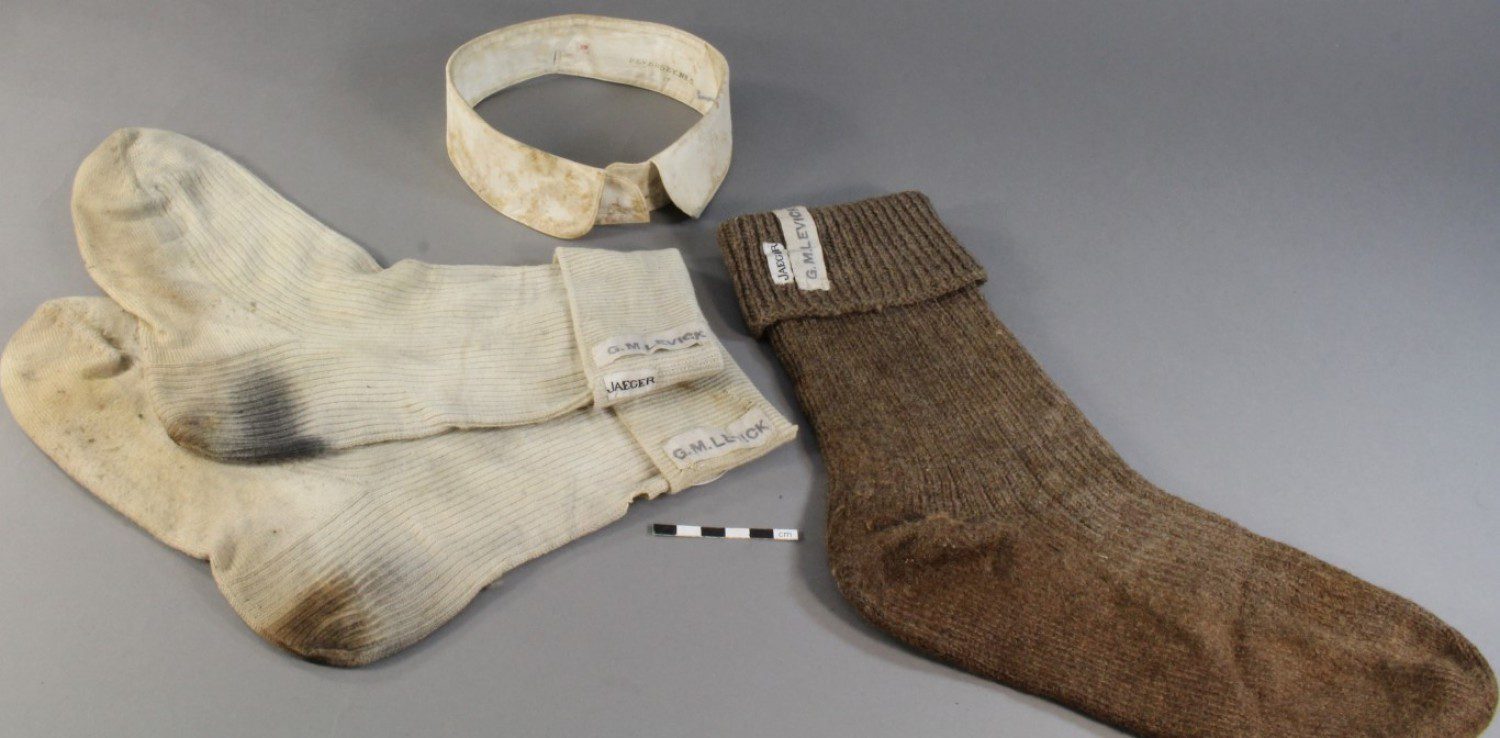
George Murray Levick, surgeon and zoologist on Scott’s Terra Nova Expedition (1910-1913) was a member of the Northern Party who spent the summer of 1911 – 1912 at Cape Adare. Recently, Conservator, Stefanie White has completed the conservation of a collection of clothing from Cape Adare and several of these items have been labelled with Levick’s name. From his socks, we can summise that levick’s feet were at least 25cm in length; from his collar, his neck measurement was at least 46 cm; and from his belt, his waist was at least 66cm while at Cape Adare.

Why did Levick not take these personal items when he left Cape Adare? Did he suffer from forgetfulness or misplace his possessions? Perhaps, this explains why he also left his photography notebook at Cape Evans, or perhaps it is because Levick thought he would one day return to Cape Adare. In January 1912, Levick together with the Northern Party were collected by the Terra Nova and dropped off at Inexpressible Island to carry out scientific field work before being picked up again. However, the Terra Nova was unable to return to inexpressible island and collect Levick and his five colleagues. The Northern Party never returned to Cape Adare and Levick’s personal clothing never again claimed.

Some of the personal items that Levick left behindAntarctic Heritage Trust

Some of the personal items that Levick left behind

https://nzaht.org/wp-content/uploads/2019/01/some-of-the-personal57f1bca258bae9.63409171-1500x.jpg 738 1500 Comms https://nzaht.org/wp-content/uploads/2019/03/logo-dark.png Comms2016-08-05 00:07:172019-04-30 10:53:05Why Did Levick Leave His Personal Items Behind?

Lime Juice Nodules

July 20, 2016 - Antarctic Blog

By Josefin Jimenez

In most cases the historic food that comes off the ice is interesting, rather than appetizing. Even if it had not been 100 years old and come from a tin covered in corrosion and penguin remains the names ‘Bloaters’ and ‘Lunch Tongue’ are not something that would make most people reach for their knife and fork. Not in this day and age, anyway!

There have been a few exceptions though, such as tablets of compressed coffee that still smelled like the fresh beans, mango chutney from the Indian Condiment Manufacturer and, in one notable case, lard so white and fresh it might as well have been a tub of ice cream.

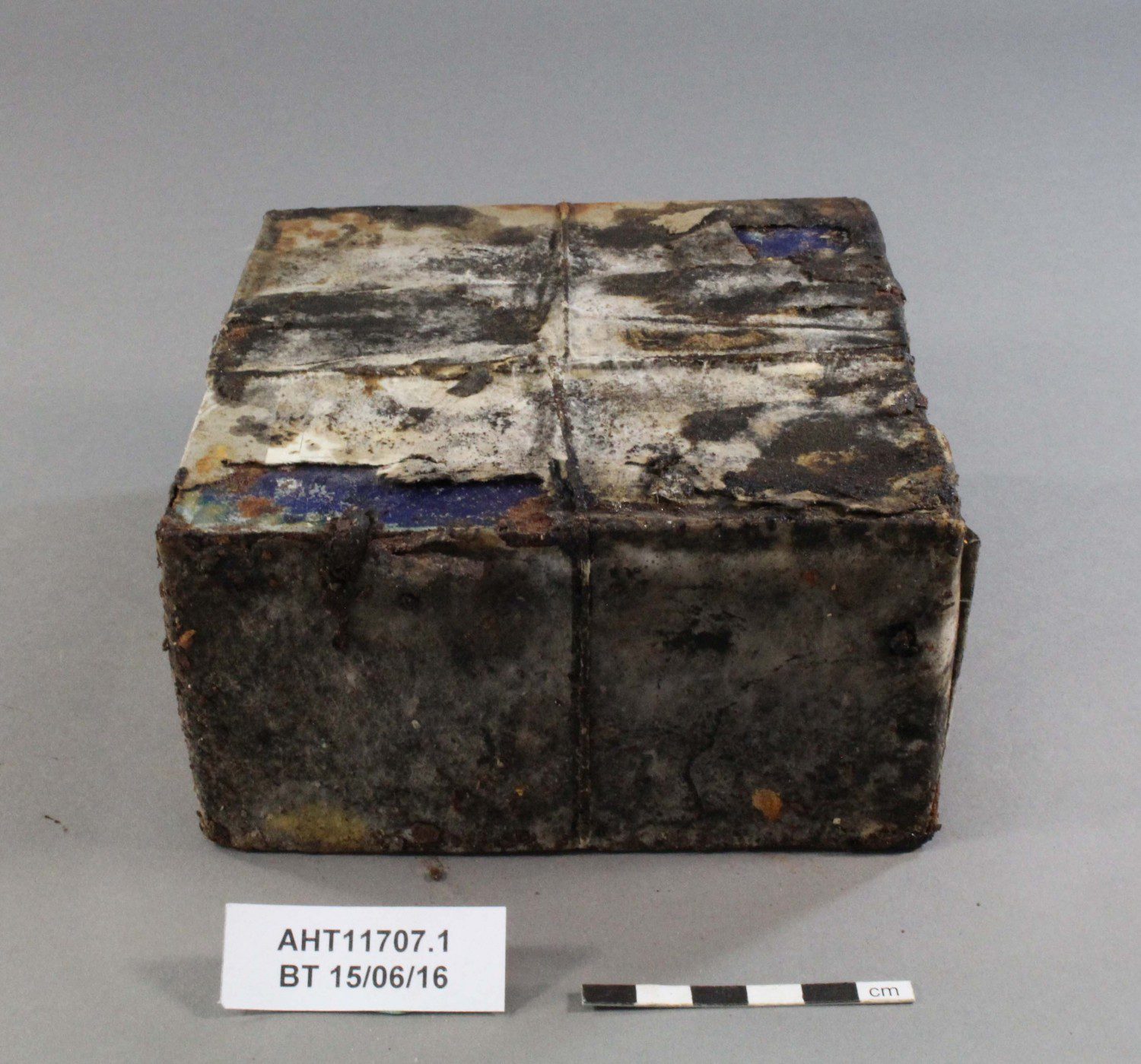
And, of course, the Lime Juice Nodules. The nodules came in square tins wrapped in paper and string, and were found underneath a bunk in the Southern Cross hut (first British Antarctic Expedition, 1898 ̶ 1900), believed to be stashed there as part of an emergency cache.


A tin of Lime Juice Nodules, before treatment.Antarctic Heritage Trust

A tin of Lime Juice Nodules, before treatment.

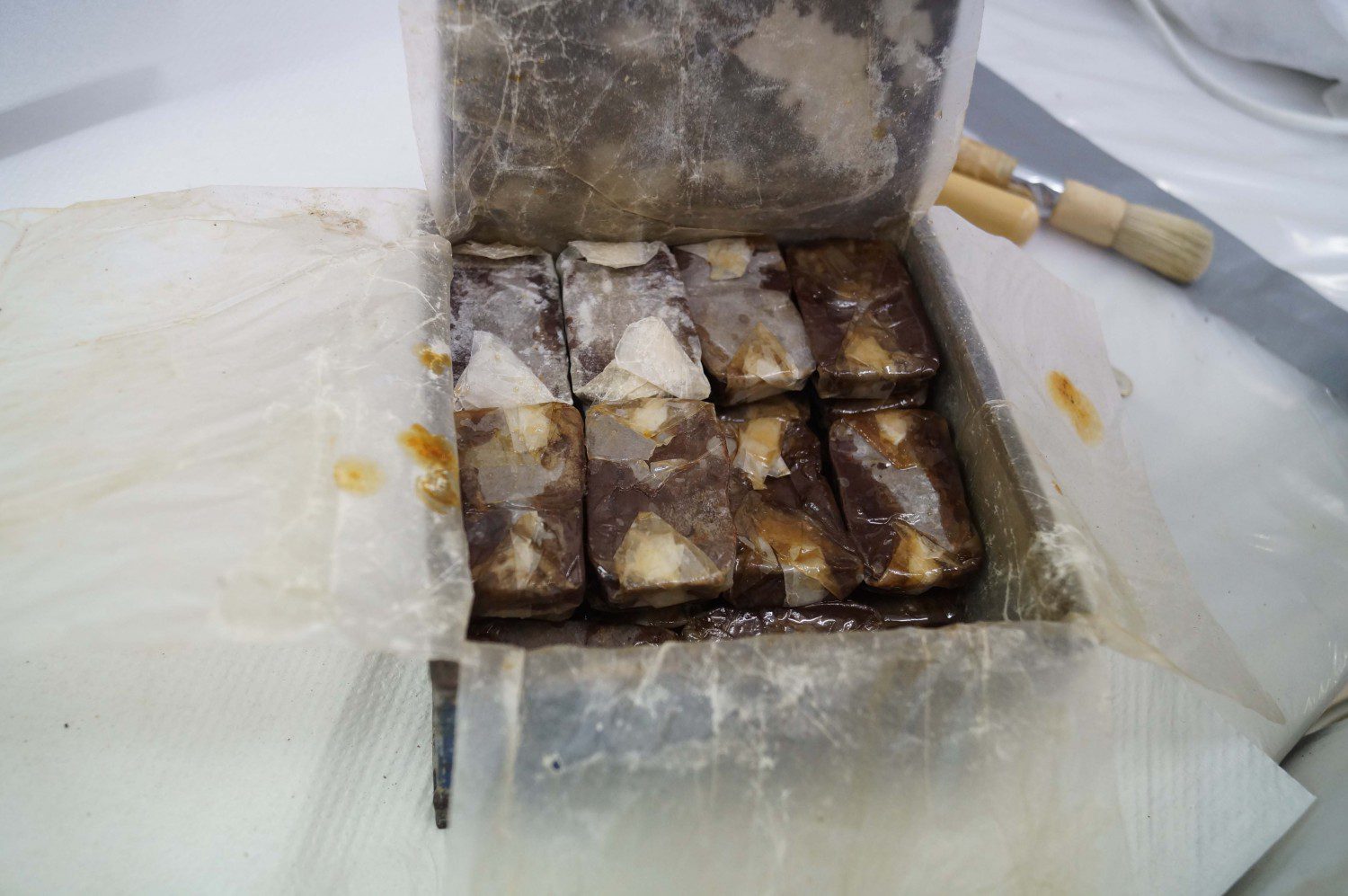
During conservation it was discovered that one of the tins was leaking and it had to be opened as part of its treatment. The nodules, previously believed to be either dried fruit or sachets of powder, turned out to be in fact chocolate-coated. Each was a square of dark chocolate individually wrapped in parchment paper, around a delicious filling of lime sugar-syrup, much like a modern sweet treat. Their smell was rich and strong and still quite tempting.

After extensive lab discussions we believe that the consistency would be similar to one of the Strawberry flavoured Cadbury Roses. To us it was quite mystifying why the expeditions would have left so many of these tins uneaten.


Cross section of a sampled Lime Juice Nodule, retained for analysis.Antarctic Heritage Trust

Cross section of a sampled Lime Juice Nodule, retained for analysis.

The Lime Juice Nodules were supplied by the Bovril Food Company, of British Beef Tea fame, and would have been intended as a remedy for scurvy, an antiscorbutic, but it is doubtful whether they would have worked effectively as such.Previously the remedy for scurvy would have been casually referred to as ‘lime juice’ although actually made from lemons, but a shift in production of antiscorbutics around this time likely meant actual limes were used, in the belief that the higher acidity would be a more effective cure. Unfortunately lime juice contains a considerably smaller amount of Vitamin C and is actually less effective. And as it was all referred to as ‘lime juice’, whether made with limes or lemons, these particular ones could be either.

Scott, for instance, some years later, did not believe that lemon juice would prevent scurvy, instead relying on fresh meat.


Repacking the Lime Juice Nodules into the tin after treatment ̶ as the chocolate threatened to melt at room temperature, treatment had to be carried out in short bursts between periods of cold storage.Antarctic Heritage Trust

Repacking the Lime Juice Nodules into the tin after treatment ̶ as the chocolate threatened to melt at room temperature, treatment had to be carried out in short bursts between periods of cold storage.

And, as the Bovril Food Company also made Fluid Beef and Bovril enriched chocolate containing Albumen and Fibrine, maybe the taste was doubtful too.

https://nzaht.org/wp-content/uploads/2019/01/lime-juice-nodules57f1ab5abf8cf2.51567982-1500x.jpg 997 1500 Comms https://nzaht.org/wp-content/uploads/2019/03/logo-dark.png Comms2016-07-20 00:11:082019-04-30 10:57:56Lime Juice Nodules

High Tea on the Icy Sea

July 12, 2016 - Antarctic Blog

By Ciarán Lavelle

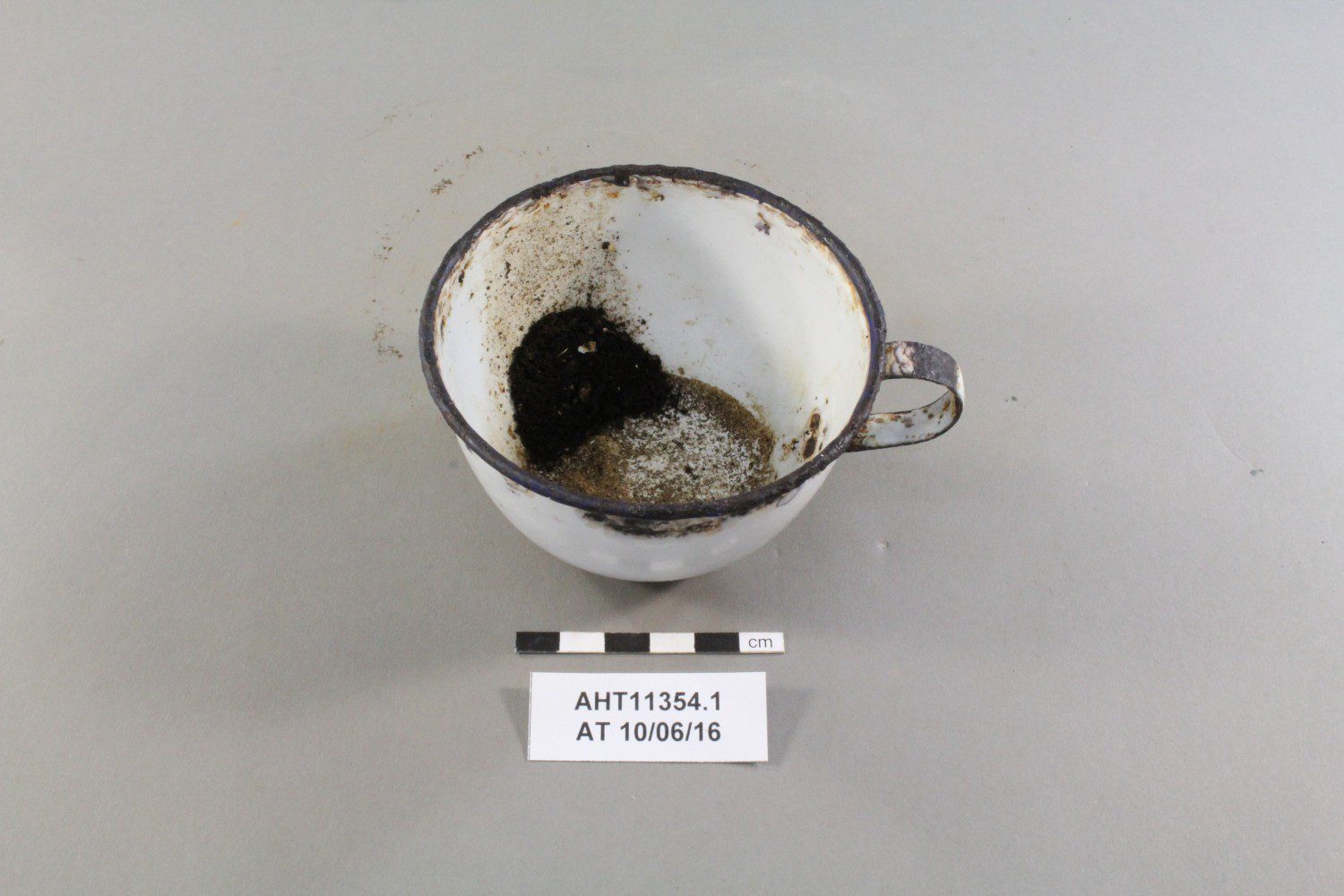
They came from the North and they came prepared, well they came with everything they thought they needed, only stopping short of a kitchen sink. The men of the early exploration of the Antarctic continent were no doubt confident that they were going to have a cold time of it. And a good cup of tea and coffee was an essential to beat back the chill of the icy landscape. When it comes to tea the British know how to plan with a large collection of tea and coffee remaining in their original ration tins. The Cape Adare hut contains many fine examples of the hardwearing workman like iron-enamelled cups for everyday use from which the explorers imbibed this important heat infused nectar. These sturdy cups have suffered corrosion and enamel loss but still look much like they would have when their owners would have been huddled round drinking the steaming contents to the chorus penguin hoards nestled in the landscape around the small hut. The results of the removal of the iron corrosion and stabilisation of the cup before preparing for the cups return to the Antarctic climate can be seen in the pictures below.

The enamelled mug after conservation with the remains of the last cup of tea still visible in the mug.Antarctic Heritage Trust

The enamelled mug after conservation with the remains of the last cup of tea still visible in the mug.

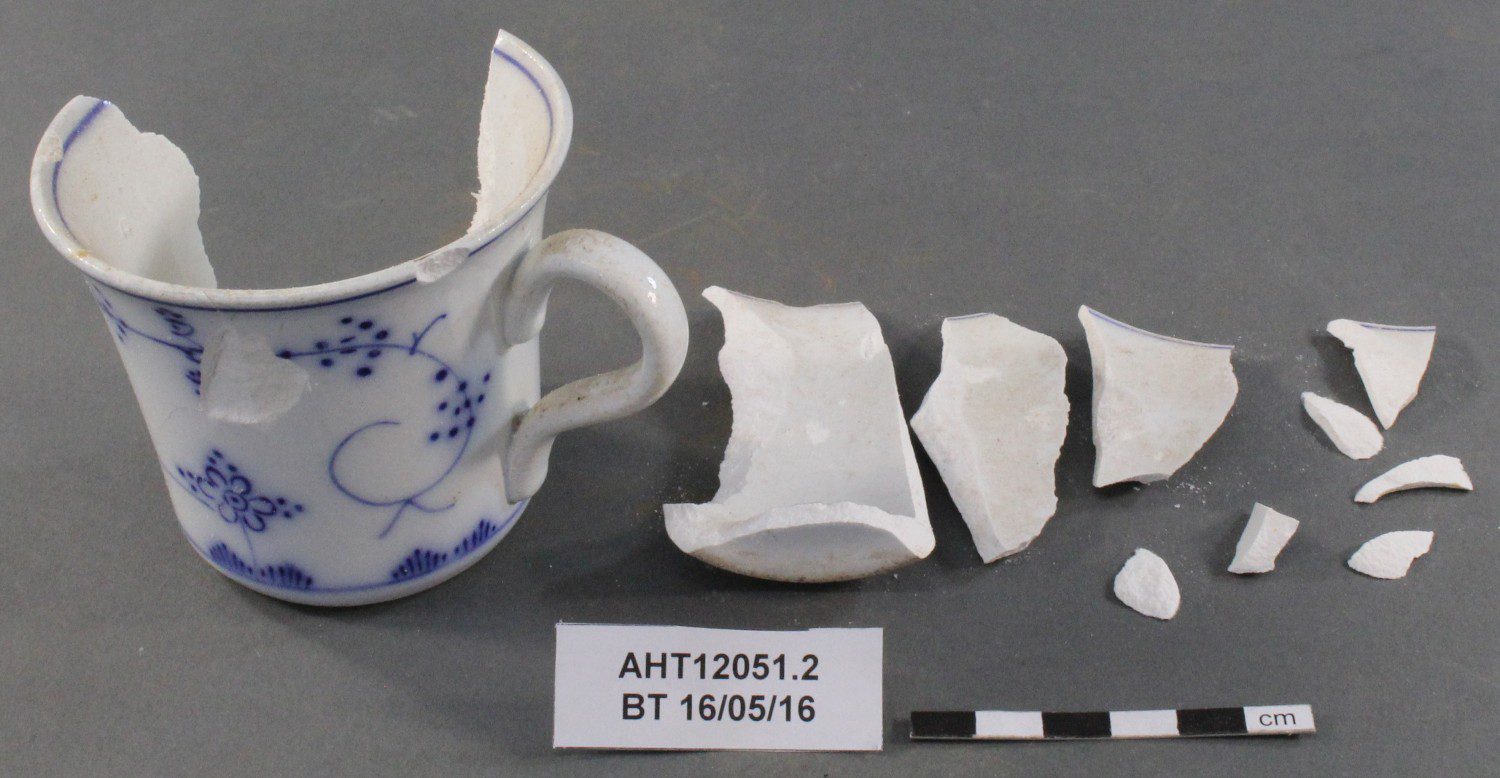
Although drinking tea and coffee was no doubt a common place necessity this did not mean they couldn’t drink it in style. In the hut there can be found beautiful examples of fine bone china tea cups. Unfortunately the more fragile fine bone china mugs have not survived the trials and tribulations of the Antarctic environment as well as their metal cousins. This fine bone china mug came across our desk in multiple fragments leaving me with an inviting 3D jigsaw to reconstruct.

The bone china tea cup before conservation – an inviting 3D jigsaw and a challenge acceptedAntarctic Heritage Trust

The bone china tea cup before conservation – an inviting 3D jigsaw and a challenge accepted

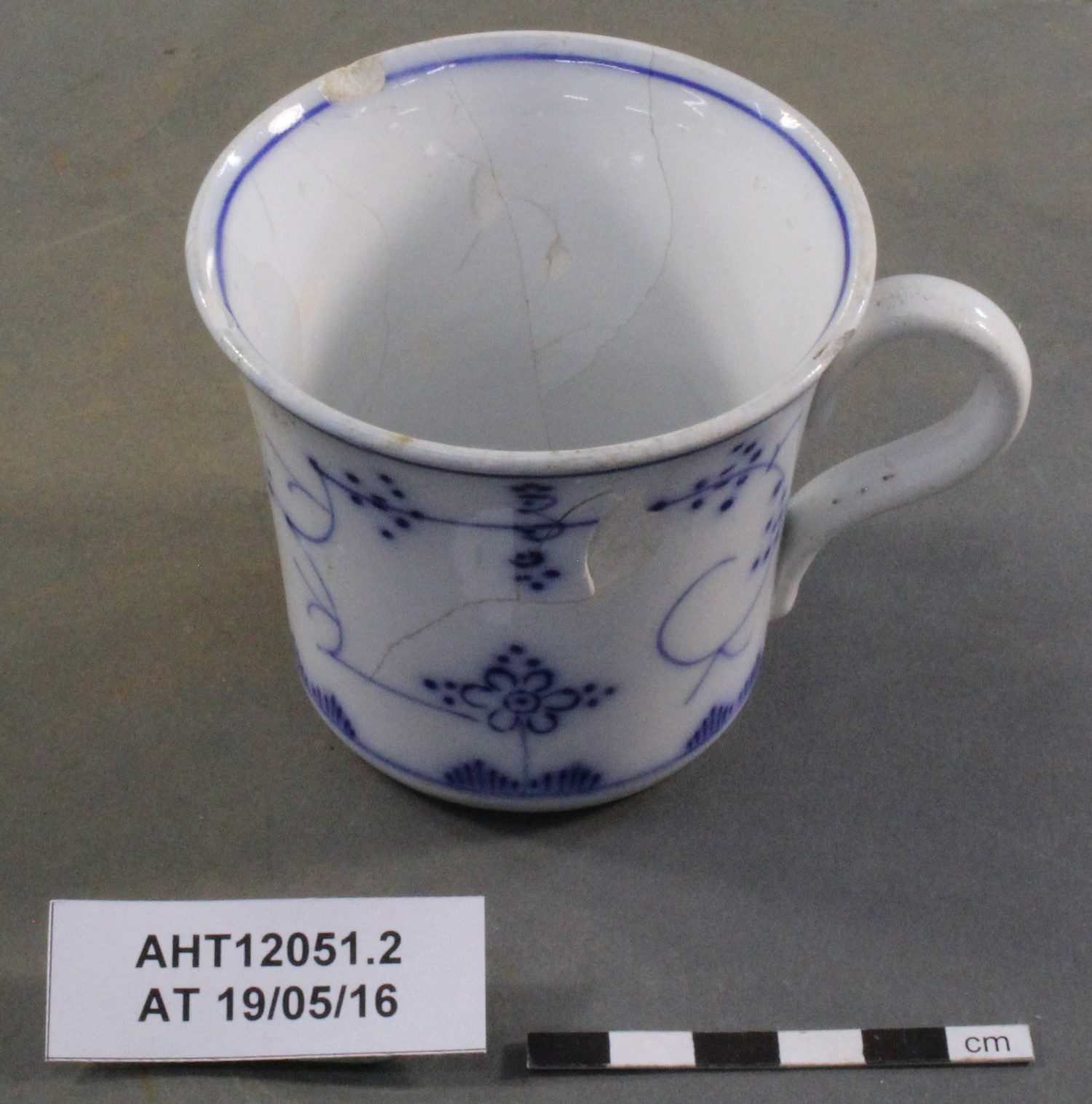
The task of the conservation process is to reconstruct it so it can be reversed in the future if it is needed so great care is taken and deliberation is needed to decide on the best adhesive to use.

The bone china teacup after conservationAntarctic Heritage Trust

The bone china teacup after conservation

In the end we were able to bring back to life evidence of essential fine dining accompaniment. And as I look at the cup I can imagine a gruff beaded man in well-worn extreme weather clothing sitting in that small cramped candle lit hut sipping from the cup like a fine European gentle man, pinkie raised, enjoying a bit of high tea on his icy sea.

https://nzaht.org/wp-content/uploads/2019/01/the-bone-china-tea-c57f19625553f57.49659320-1500x.jpg 1516 1500 Comms https://nzaht.org/wp-content/uploads/2019/03/logo-dark.png Comms2016-07-12 00:17:572019-04-30 10:59:31High Tea on the Icy Sea

Reinvigorating a City … and History

July 4, 2016 - Antarctic Blog

By Sue Bassett

Conserving artefacts from the early British Antarctic expedition huts whilst actually living in Antarctica is without doubt a unique, ultimately challenging and wonderful experience for any conservator. Truth be known, it’s life-changing.

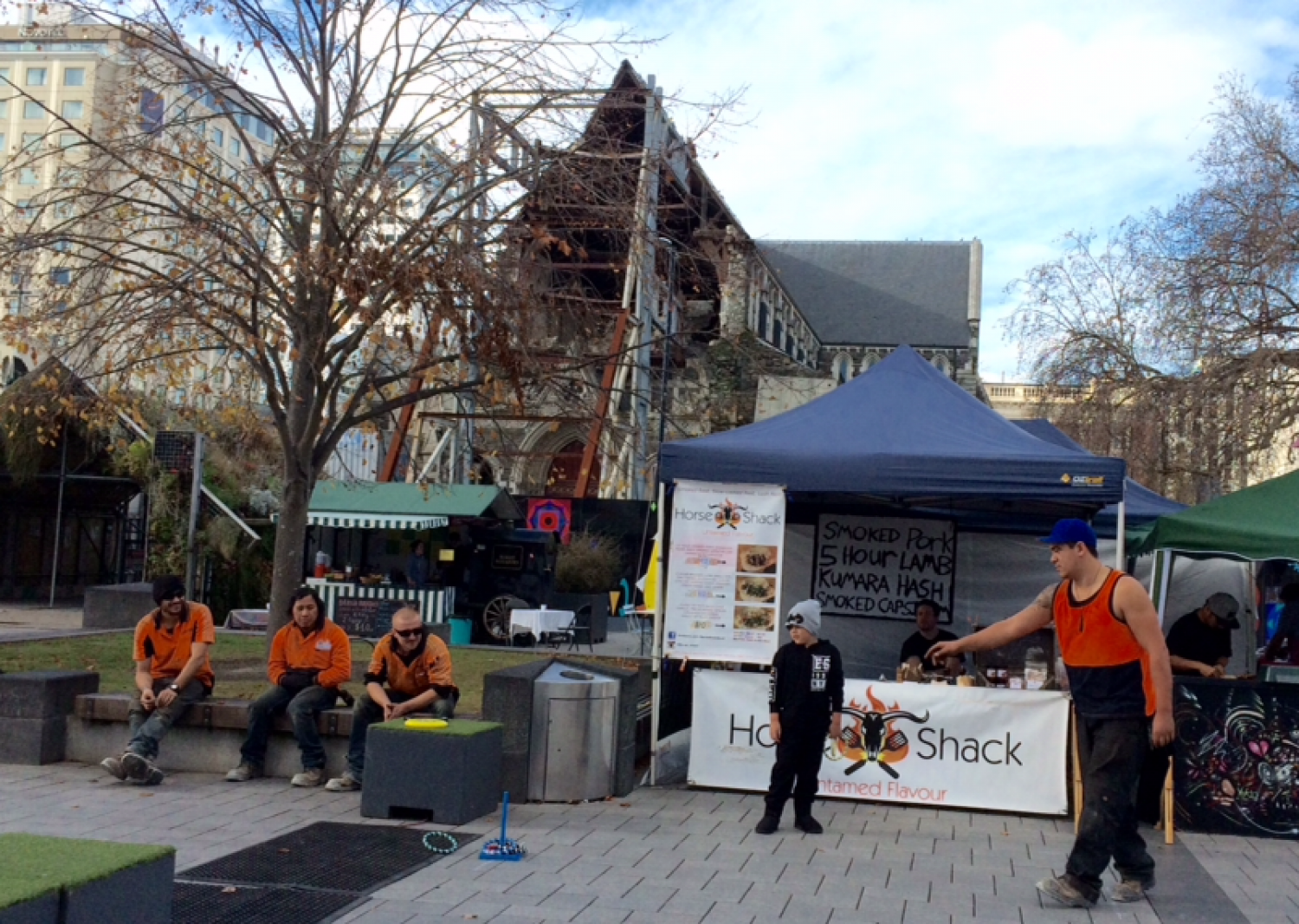
The Trust’s current artefacts conservation team, working on the contents of the earliest and most remote British hut in Antarctica, is based in Christchurch. This is because it was logistically simpler to transport frozen artefacts from Antarctica’s Cape Adare to New Zealand for treatment, and then refreeze them and take them back. The Christchurch location offers the team a different set of opportunities, such as weekends to explore NZ’s spectacular South Island and a workplace in the centre of one of the biggest rebuilding projects in the Southern Hemisphere. Following the demolition of about 75 per cent of Christchurch’s CBD in the aftermath of the 2010 and 2011 earthquakes, the $40b rebuild of the city is now in full swing … on every street and on every corner, it seems.

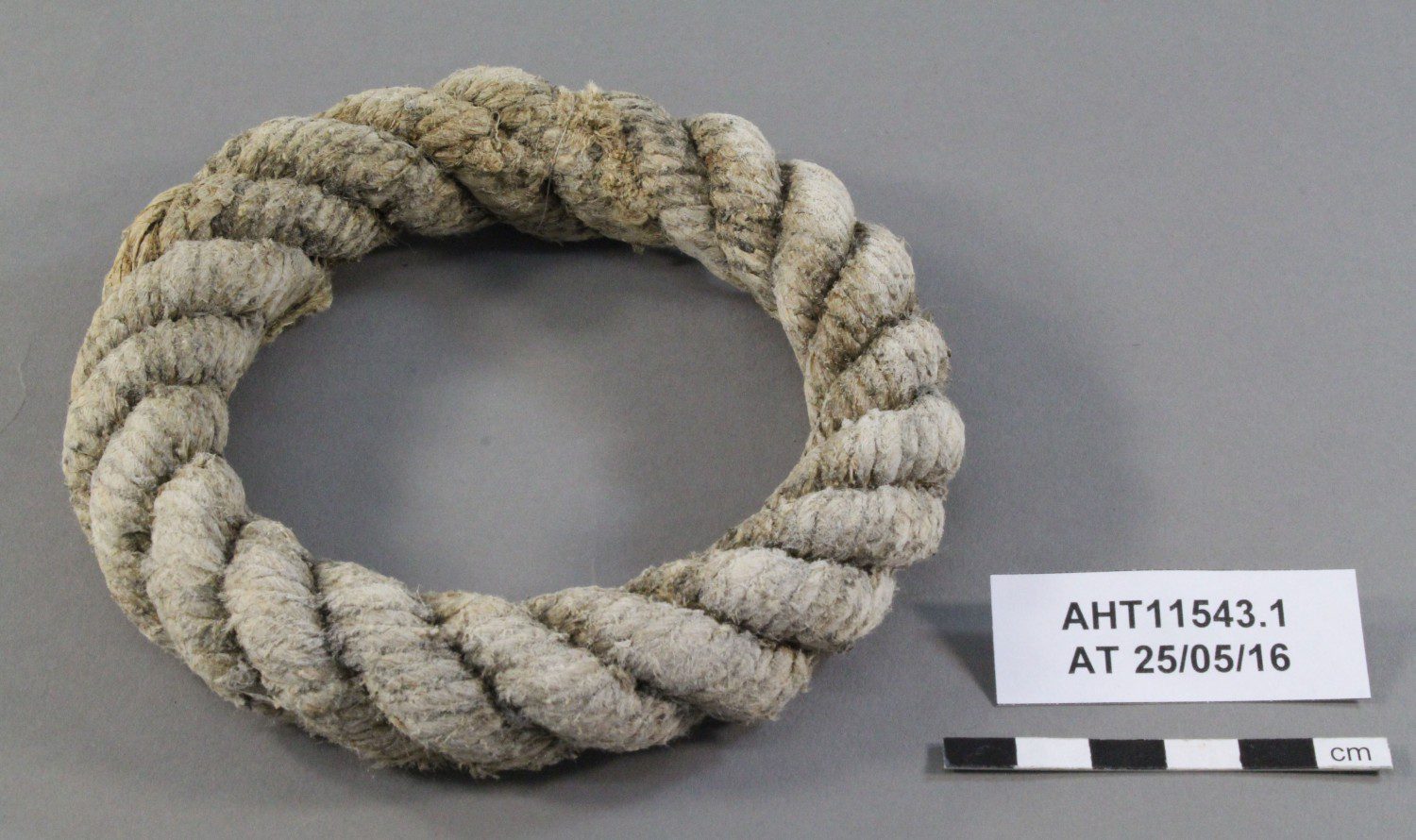
As part of the inner city reinvigoration plan there is a Friday street-food market in Cathedral Square, alongside the tumbled ruins of the once majestic cathedral, so the team makes a point of going along for a coffee and a spot of lunch. We listen to the buskers and sometimes join the other clientele, mainly high-vis-clad construction workers and tradies, in reviving the community spirit with a leisurely round of quoits.

Quoits on a Friday in Christchurch’s Cathedral SquareAntarctic Heritage Trust

Quoits on a Friday in Christchurch’s Cathedral Square

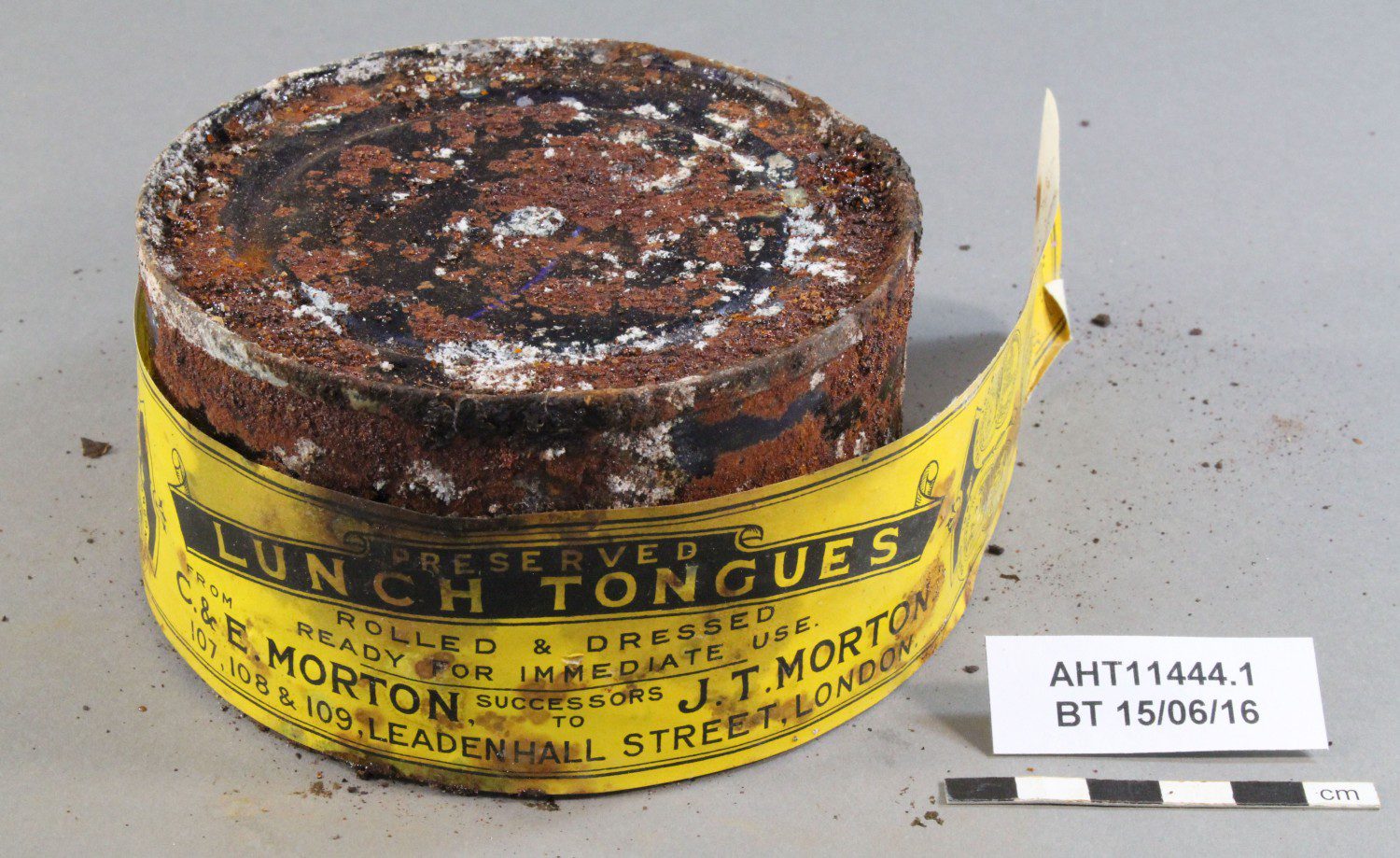
And then it’s back to the lab to conserve … hang on … some century-old coffee, luncheon meat and quoits!  

Packets of historic coffee, 1899Antarctic Heritage Trust

Packets of historic coffee, 1899


Tin of historic preserved lunch tongues, before treatmentAntarctic Heritage Trust

Tin of historic preserved lunch tongues, before treatment


Handmade rope quoit, after treatmentAntarctic Heritage Trust

Handmade rope quoit, after treatment

https://nzaht.org/wp-content/uploads/2019/01/quoits57f189b4dea430.75883595-1500x.png 1067 1500 Comms https://nzaht.org/wp-content/uploads/2019/03/logo-dark.png Comms2016-07-04 00:22:572019-04-30 11:00:38Reinvigorating a City … and History

For Better or Worcestershire Sauce

June 27, 2016 - Antarctic Blog

By Josefin Jimenez

For the past weeks, as the paper conservator, I have been working on a collection of bottles of Lea & Perrins Worcestershire sauce found in the loft of the Southern Cross expedition hut at Cape Adare in Antarctica. Some 30 bottles were found in the loft, in addition to others found in the dining area. Food for the expedition, even if in ample supply, was of little variety and Borchgrevink himself wrote: “Seal beef and roasted penguin flesh became a frequent repast as we grew frightfully tired of tinned food”.

Whether or not this went down well with a dash of Worcestershire sauce remains unsaid.

Lea & Perrins Worcestershire Sauce was established in 1839 so would have been a household name by the time Borchgrevink went to Antarctica. The bottles themselves are beautiful objects and it’s stunning to see them emerge from the debris.

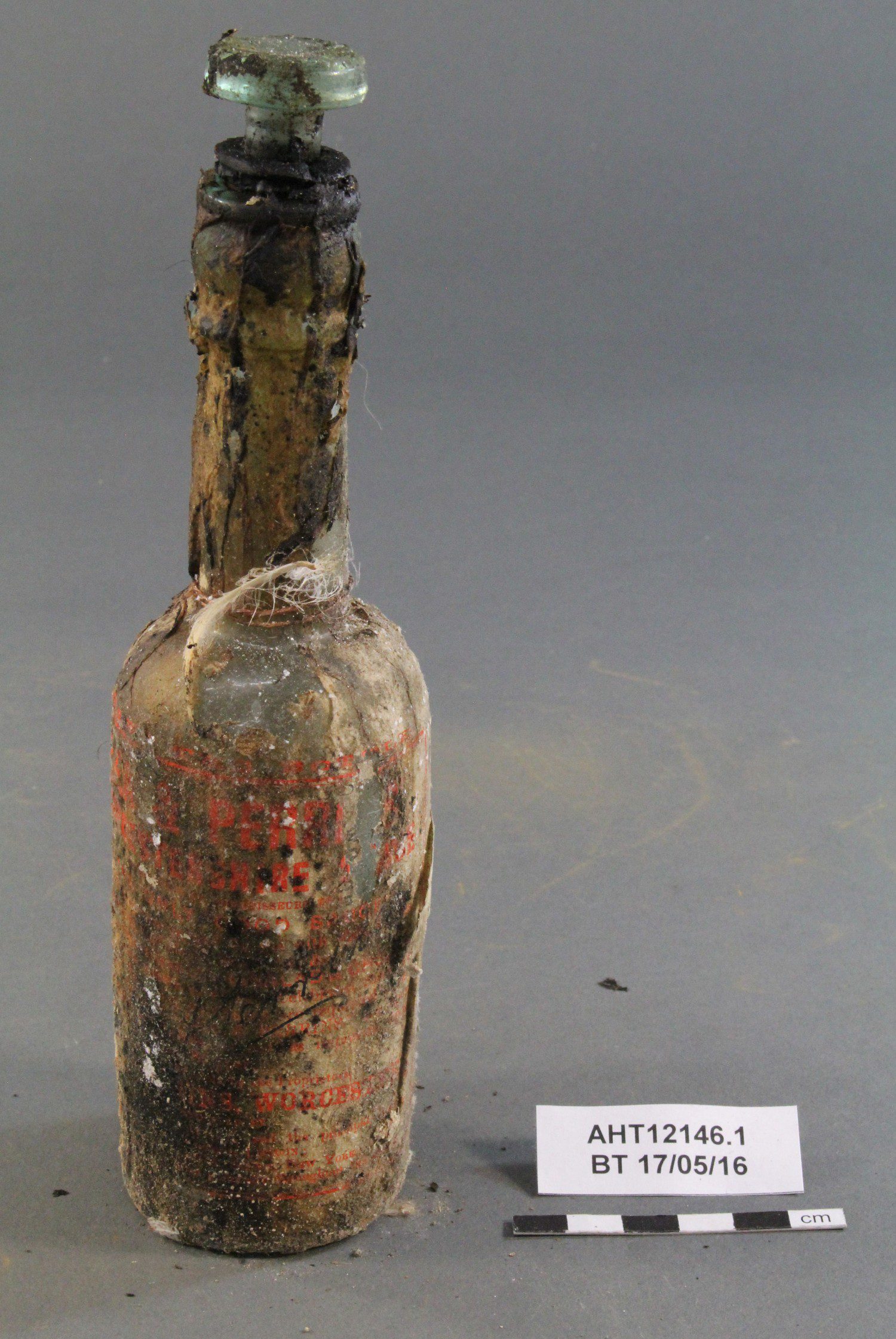
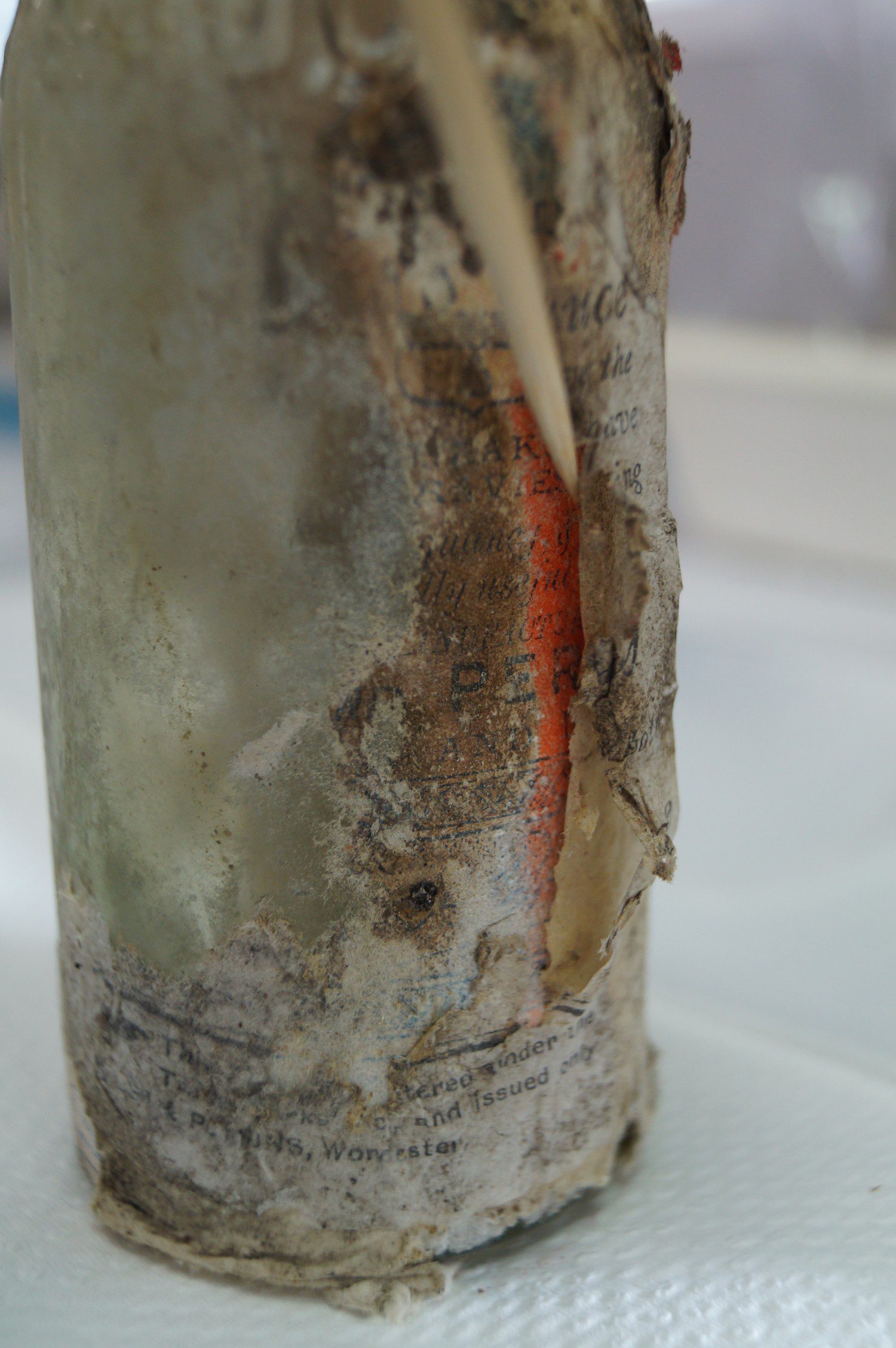
Before treatment image of Lea and Perrins Worcestershire SauceAntarctic Heritage Trust

Before treatment image of Lea and Perrins Worcestershire Sauce

When they arrive to the lab they are covered in grit and penguin feathers and often the sauce has spilled and dribbled from the bottle. Traditionally, the bottles were labelled with a decorative printed label and then wrapped in paper for transport. In some cases only traces of paper remain on the glass; at others, the spills have so impregnated the paper that it is no longer possible to distinguish the paper from the glass.

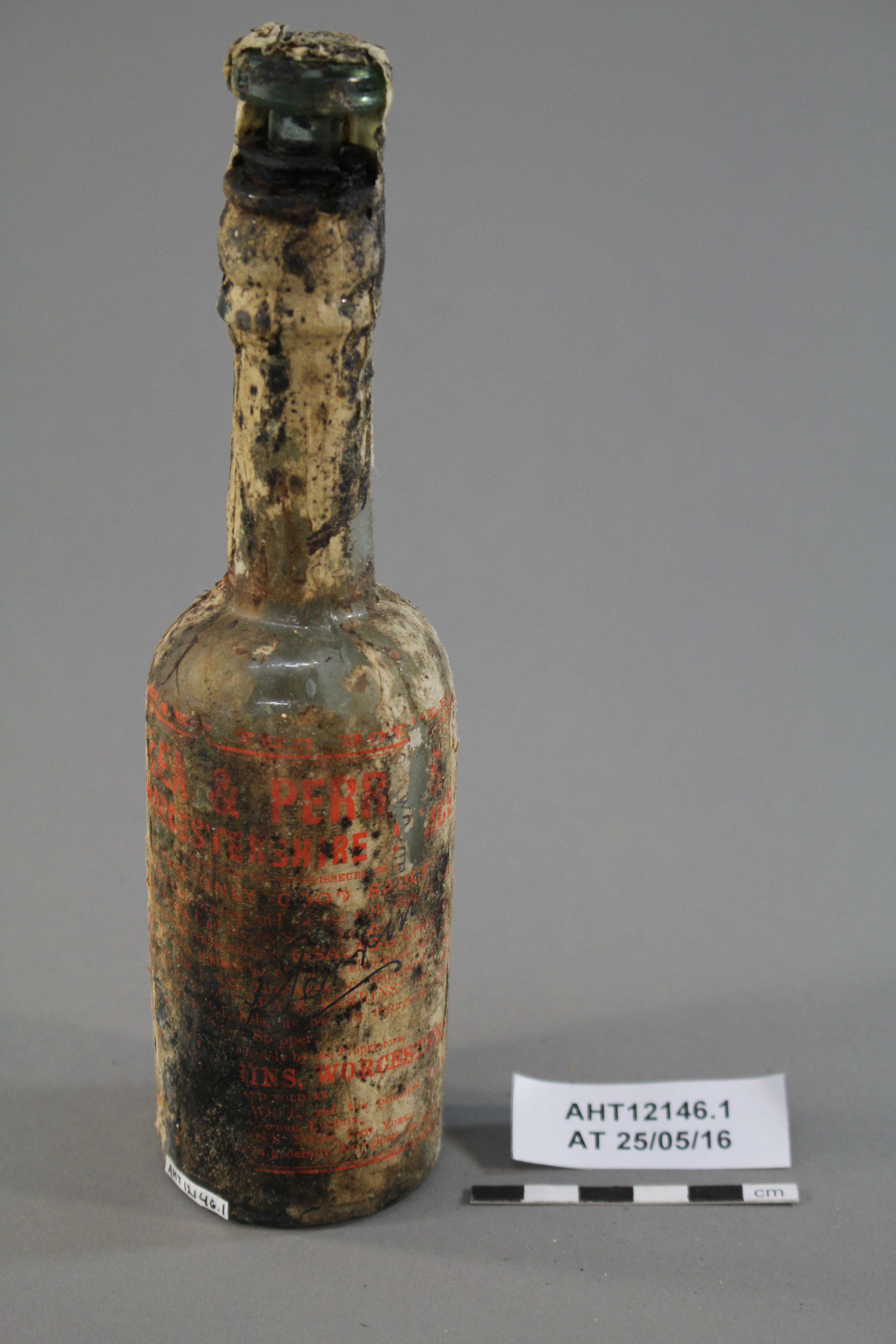
After treatment image of Lea and Perrins Worcestershire SauceAntarctic Heritage Trust

After treatment image of Lea and Perrins Worcestershire Sauce

But for a few of them, where the wrapper has remained, lifting the wrapper reveals a label of startlingly vivid orange colour and delicate blue printing and borders.  Much of the printing is often lost but in good examples the following can be read:

‘Lea & Perrin’s Worcestershire Sauce Pronounced by Connoisseurs as The Only Good Sauce For enriching Gravies, and for use in Game, Steak, Cold Meats, Soup & Curries. It forms an agreeable addition to SALAD & CHEESE. As spurious imitations of this are offered to the public, ensure with each purchase that the name of LEA & PERRINS is on the Wrapper and Labels as well as on each Bottle and Patent Stopper. Manufactured solely by LEA & PERRINS, WORCESTERSHIRE, and sold by CROSSE AND BLACKWELL, and the Warehousemen, London: JOHN DUNCAN’S SONS, NEW YORK, and vendors of sauces generally throughout the world.’

Detail of lifting the wrapper to reveal the label underneath.Antarctic Heritage Trust

Detail of lifting the wrapper to reveal the label underneath.

https://nzaht.org/wp-content/uploads/2019/01/after-treatment-imag57f18fbb7684c0.88858431-1500x.jpg 2250 1500 Comms https://nzaht.org/wp-content/uploads/2019/03/logo-dark.png Comms2016-06-27 00:29:262019-04-30 11:01:53For Better or Worcestershire Sauce
Page 33 of 36«‹3132333435›»

Latest Inspiring Explorers Updates

  • Connections Create Life-changing Experience in South GeorgiaDecember 14, 2023 - 1:43 pm
  • South Georgia Expedition OutreachMay 30, 2024 - 9:48 am
  • A group of young people standing around a memorial statue of an explorer.Icy Fun and Learning at SummitDecember 14, 2023 - 1:43 pm
  • ‘Polheim’ World Premiere AnnouncedJanuary 30, 2024 - 11:21 am
  • Encouraging the Next Generation of Antarctic ConservatorsDecember 14, 2023 - 1:43 pm

Facebook

Stay in touch
  • Facebook
  • Twitter
  • Youtube
  • Vimeo
  • Instagram
  • LinkedIn
About AHT Our People Latest News Contact Us Image Archive Shop
QUICK LINKS
About AHT Our People Latest News Contact Us Shop Conserve Share Encourage Sustain
Conserve Share Encourage Sustain

Make a donation

Donate

Become a member

Join

Antarctic Heritage Trust

Antarctic Heritage Trust
7 Ron Guthrey Road, Christchurch 8053, New Zealand
Private Bag 4745, Christchurch 8140, New Zealand

Antarctic Heritage Trust

Antarctic Heritage Trust
7 Ron Guthrey Road, Christchurch 8053, New Zealand
Private Bag 4745, Christchurch 8140, New Zealand

© Copyright 2024, Antarctic Heritage Trust – Registered Charity: CC24071
Terms and Conditions – Privacy Policy

© Copyright 2024, Antarctic Heritage Trust
Registered Charity: CC24071
Terms and Conditions – Privacy Policy

Scroll to top