Expedition Blog – Josiah Tualamali’i, Antarctic Peninsula 2026
Learning About Antarctica
When I was about seven years old, an Antarctic researcher talked at our school and gave me a National Science Foundation patch. It has been one of my longest dreams to visit Antarctica ever since.
Growing up in Aotearoa New Zealand’s Antarctic gateway city, Ōtautahi Christchurch, has given me more opportunities to feel connected to Antarctica. In high school, our teacher and Antarctic historian, Jane Ellis, shared her stories from the ice including visiting the historic huts and field training in the snow. Jane and mentors like Professor Katie Pickles have helped me to refine my abilities as a qualified historian and to bring these abilities to help preserve and remember our place and connections to Antarctica.
This was the first time I had applied to be part of the Antarctic Heritage Trust’s Inspiring Explorers™ programme, and because I turned 31 in May 2026, it was the last opportunity I would be eligible. I often track the planes and pop to the airport to see the Antarctic season flights coming and going. While I have read Antarctic accounts and enjoy Lyttelton Harbour’s historic and current Antarctic connections, I never expected I would get to sail there.
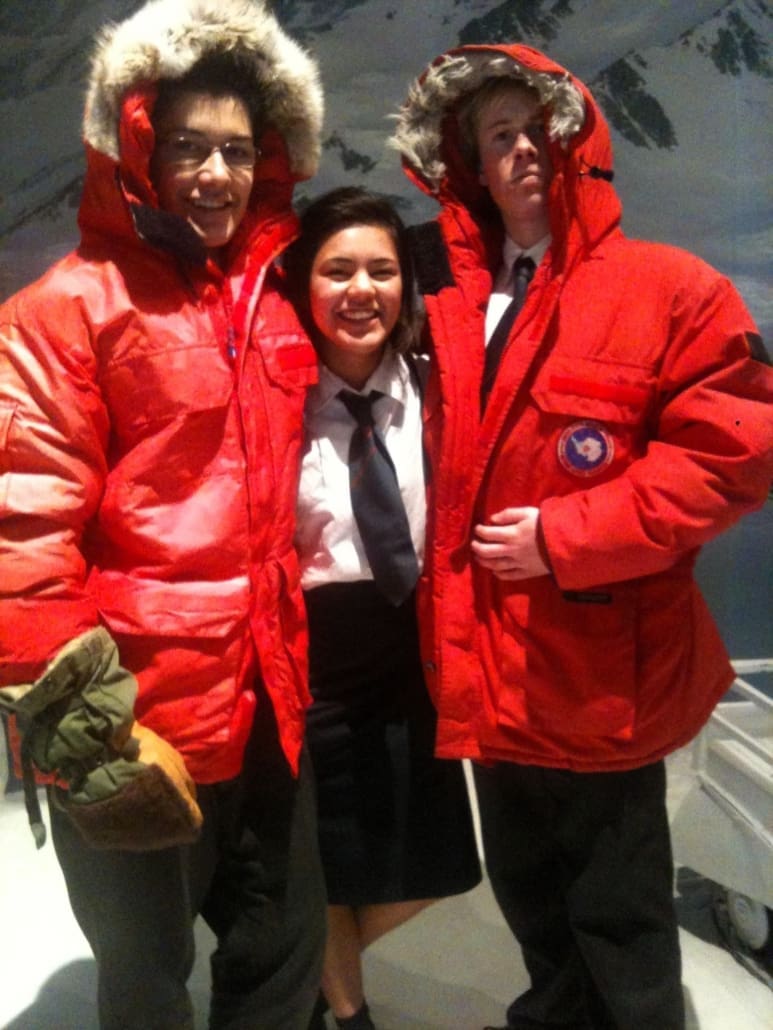
Shackleton noted the living quarters on his boat were called ‘Oyster Alley’, with men trying to sleep surrounded by all the various gear that overfilled the boat.[1] I used to chuckle reading about how so much was packed on board. So great was the generosity of New Zealanders and Christchurch people for Scott’s Discovery Expedition that there were 25 sheep needed and 250 offered, a ballot had to be taken. [2] In my own thinking, the real action of Antarctic exploration began on the ice, but I now understand much better that getting there by Tall Ship, particularly in a ‘Drake Shake,’ is an unending series of marathons with much more vomiting.[3]
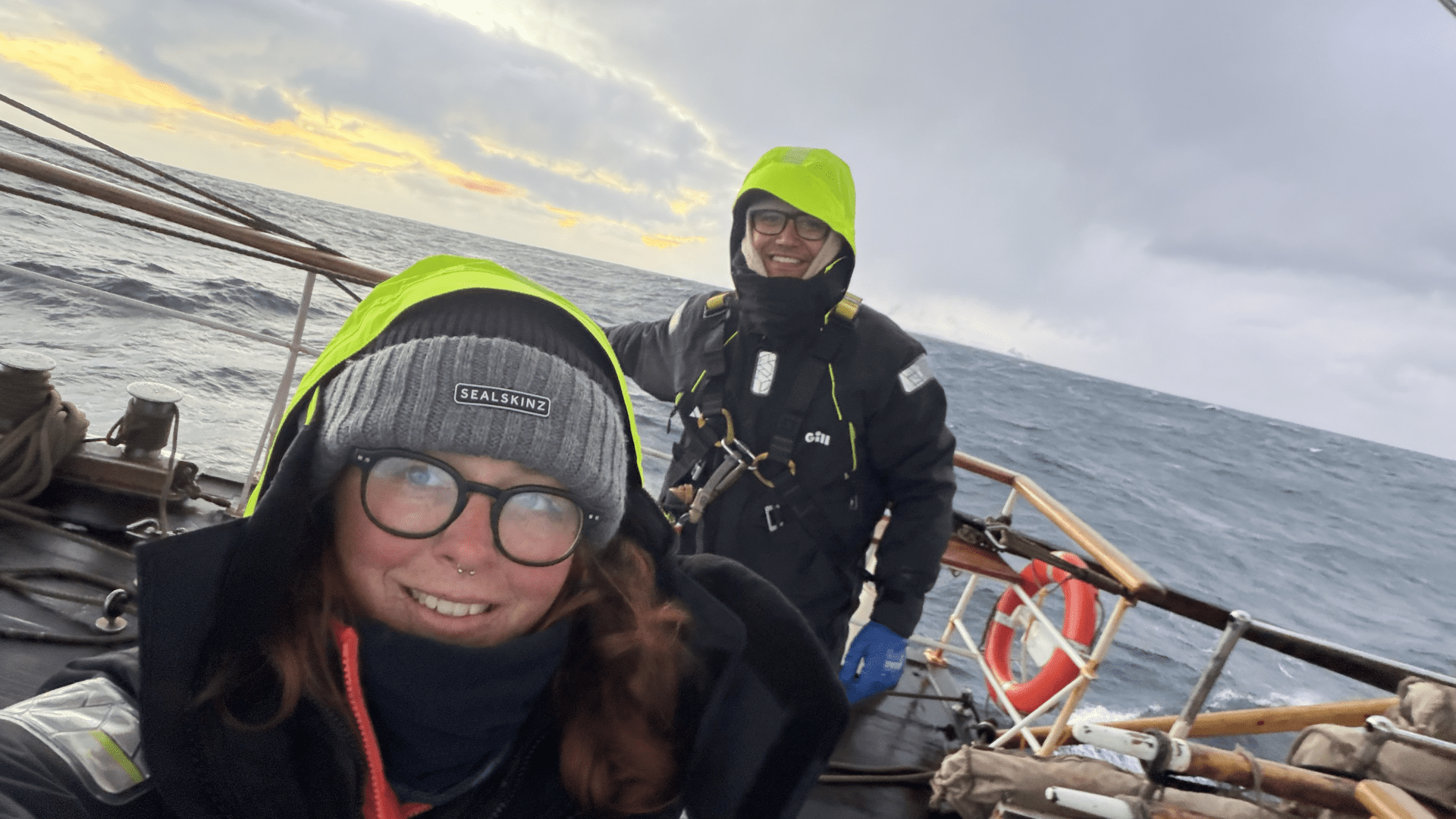
The high of all highs on our expedition was when we saw land again after five days on the Drake Passage! I struggled with sea sickness and became quite weak, yet seeing all of our team pushing as best as we could despite whatever challenges we had transitioning into ship life, was such a boost. Seeing Smith Island was a euphoria I have never experienced, even though this wasn’t a landing and we still had more distance to go. The experience helped me as a Samoan New Zealander better understand how my tipuna (ancestors) were so gifted in navigating these vast oceans, holding firm to their positivity, grit and determination, and how we all get through the hard times through our support of each other and collaboration.
Port Lockroy
As a historian, I was hoping we would be able to visit Port Lockroy, which as part of Operation Tabarin was established in 1944 to ensure a permanent British Antarctic presence and surveillance site during WWII. Each landing site has a booking system, and it was full for Port Lockroy. The weather may also have kept us away, so I had accepted it wouldn’t happen. However, I still kept talking to the Bark EUROPA guide team about how amazing it would be to land there, dropping hopeful hints. They said there was a less than five percent chance and I had accepted that. Fortunately for us, advocacy by our Expedition Leader, Mike Barber from the Antarctic Heritage Trust, and bad weather, meant other possible visitors cancelled their booking. 2026 was a milestone year, being 30 years since the conservation work began to protect Base A for the future and 20 years since UKAHT took over as kaitiaki (guardian) of this special place.
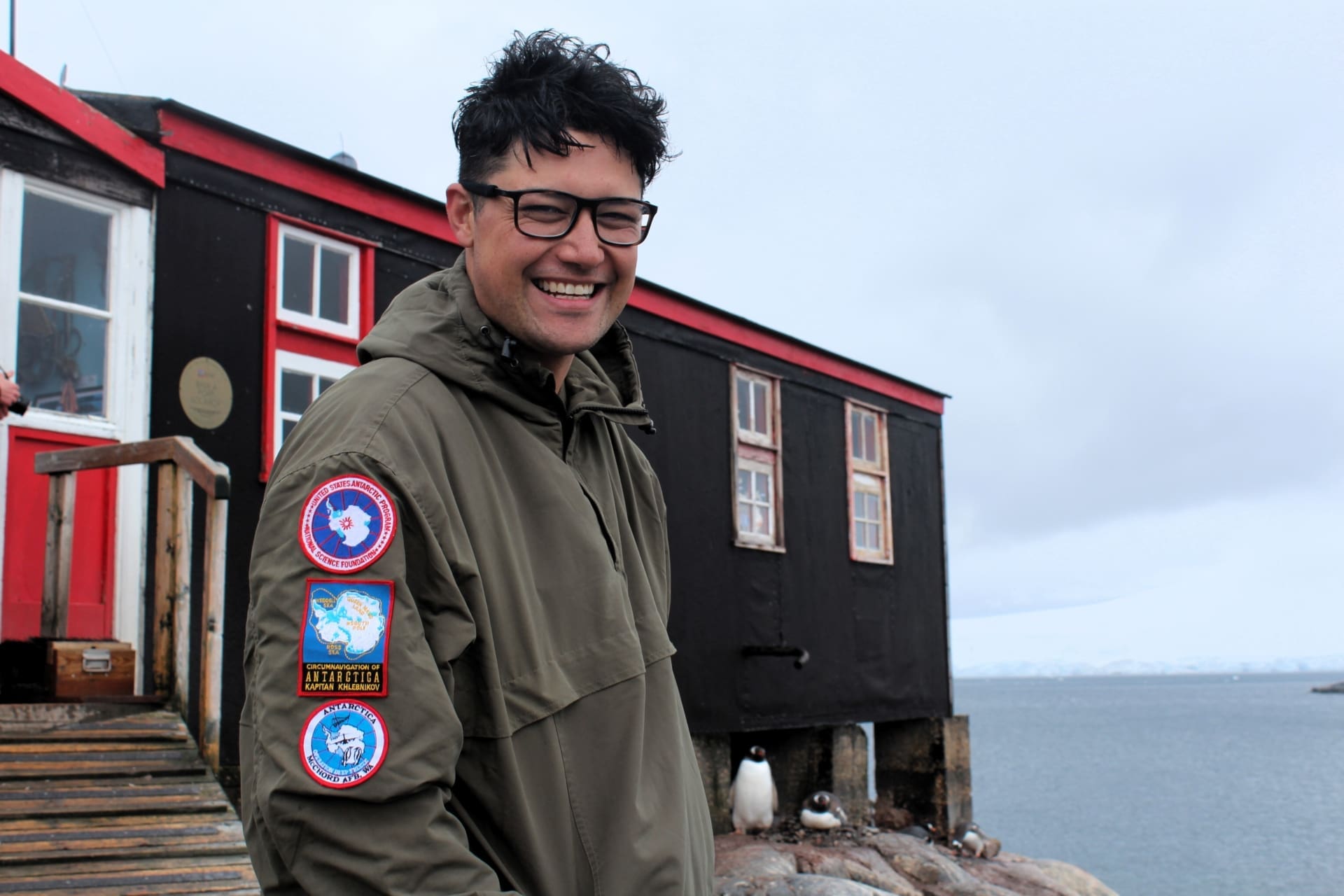
Arriving in Port Lockroy, I was fizzing with excitement. I took the first edition copy of The Crossing of Antarctica, about Fuch’s and Hillary’s crossing, that my Grandad was given in 1958 by his Aunty Vera and Uncle Herb to show the UKAHT team the references to Port Lockroy. As we were landing, we saw Dan Cheetham and Jo Oliver working on some repairs to the Nissen hut roof of their accommodation next to Base A. I talked to Tiago Figueiredo about keeping the Penguin Post office alive, and Pete Watson and Rachel Wilkinson about living without running water, showers on site and more. I have so much admiration for the UKAHT team and how they protect Base A for the future, share its story in the museum, and provide the opportunity for so many to write home from here. Meeting the UKAHT team during this anniversary year felt like the closest moment to home in Antarctica, because of our ability to write to people in New Zealand, and the joy of the two teams meeting. The UKAHT team wrote in my book adding to how special this copy is for me.
Visiting Port Lockroy helped me understand some of the logistic complexities needed to undertake critical work to maintain important human historic and cultural sites in Antarctica. The UKAHT team all make significant personal comfort sacrifices with no running water and no permanent boat visit or supply schedule. Making sure they leave home with everything they need from the start is crucial because resupply is very limited and potentially not possible mid-season. We did experience this a bit on our boat where you have what you have and that’s it. Thankfully we had or could borrow all we needed.
Visiting Other Heritage Sites
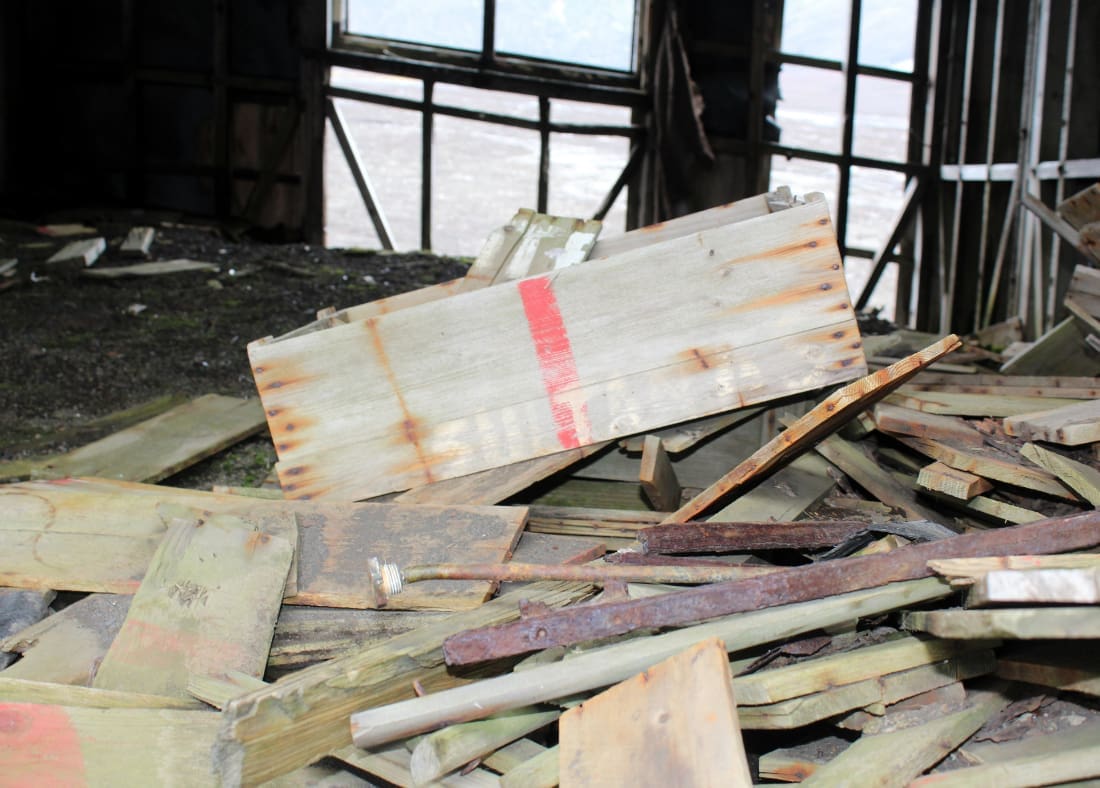
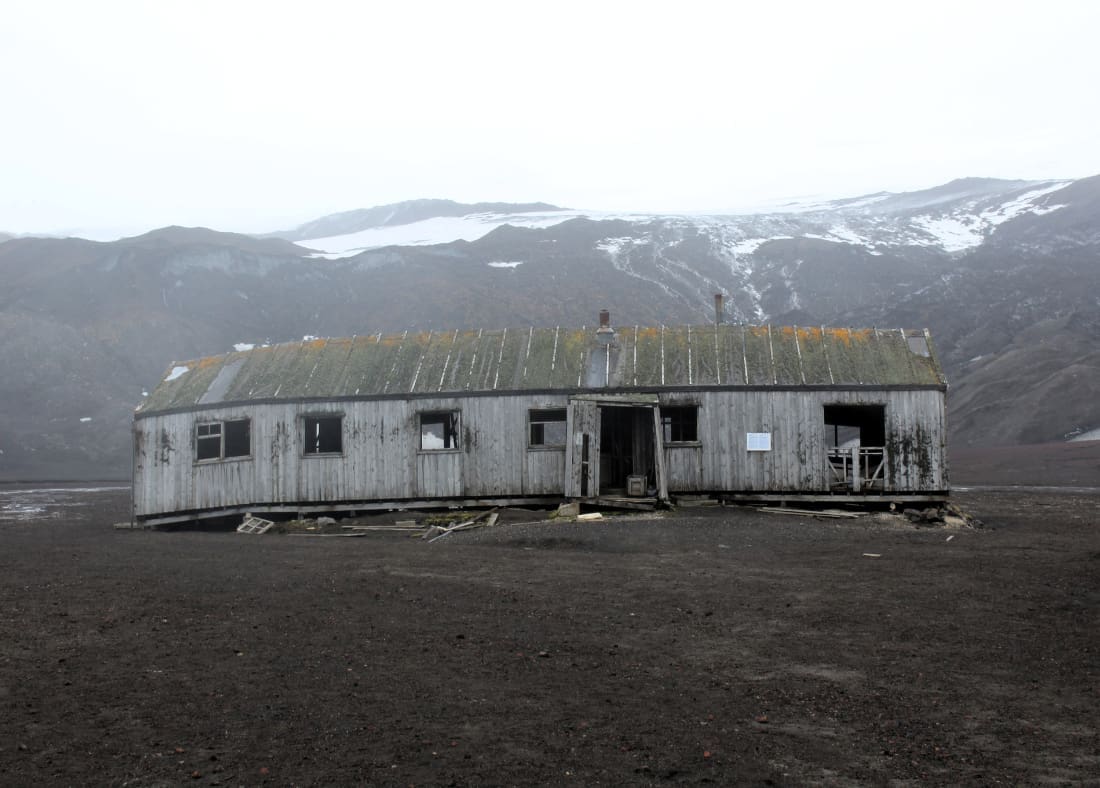
We also visited some older Antarctic human heritage sites, like Deception Island and Danco Island. It was fascinating to see the intentional cleaning up being undertaken and in terms of whaling heritage sites – the deterioration of some sites. Part of me wanted to immediately start cleaning up all the remaining rusty metal and building debris to return these spaces to a completely pristine environment while we were there. I now better understand how complex heritage conservation in Antarctica is. Which is more about balancing weather, logistics, practicality, and can also be literally less tidy compared to the physical history I have seen or been involved with in our gateway city. It’s an area I will keep a lifelong interest in and hope to help with.
Pacific and Antarctic Connections and Futures
Lastly as a Samoan New Zealander, it was special to share this experience with fellow Inspiring Explorers, Meleki Schuster (also of Samoan heritage) and Precious Tupou (of Cook Islands heritage) and to bring what our parents and families have taught us about courage through trying and stretching experiences. The main examples of this were getting up and persevering through exhaustion in the early hours to help run the ship.

It felt so special that as Pacific people, the ocean we are part of, Te Moana-nui-a-kiwa, the Pacific Ocean, is ‘The Great Connector’ linking the Pacific, Aotearoa New Zealand and Antarctica. Now we have experienced more of that connection. We also continue the journeys of other Pacific Peoples, including one of my community elders Siale Faitotonu, MNZM, who helped build a reservoir in the 1980’s so Scott Base staff could have daily showers. Seeing the manual way of washing without these technologies at Port Lockroy made me even more proud and grateful to Matua Siale for supporting Aotearoa New Zealand’s work in Antarctica. Holding our Pacific flags in photos alongside the Aotearoa New Zealand flag are memories I will cherish for life.
The main learning from the expedition I will carry through life is I can do so much more and stick through more than I realised. There were days in the Drake Passage I wished it ended and I couldn’t imagine getting to tomorrow because of the intensity. I learned as Amundsen led, focus each day on what is possible and that is enough, leave some energy available in case of the unexpected or emergencies. I followed this and it worked. My faith deepened and I had to rely more on my spirituality, with the messages from home I took down in my book before I left (as we had no contact home) helping fuel me too.
After I returned, an issue came up I needed to sort but didn’t want to. I put my head back into the Drake Passage and told myself, ‘I’ve overcome harder – it’s just my head making it bigger’, and I sorted it. This expedition has shown I have more capability and strength than I realised, and allowing myself to feel my emotions is one of those strengths. I often cried on the boat – hearing beautiful songs, seeing the vastness of Antarctica and feeling so small, feeling overwhelmed, uncontainable joy, missing our aiga (family). As I’ve been taught earlier in life, let the emotions wash over you. I kept doing that here too and it’s reinforced this is how we can get through.
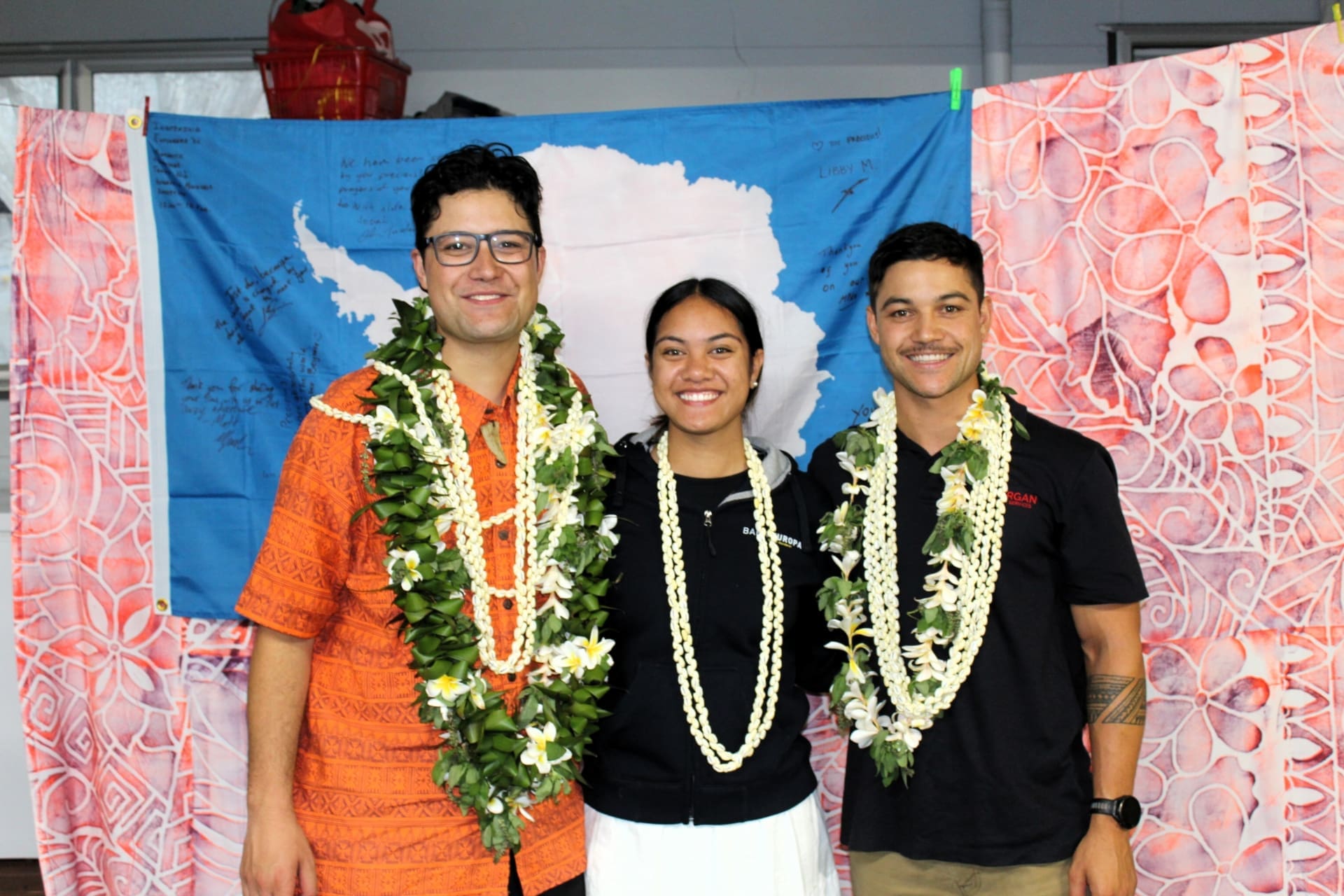
As a core part of Aotearoa New Zealand’s future, Antarctica and the Pacific need New Zealanders of all generations to have personal connections across Te Moana-Nui-A-Kiwa, and the Inspiring Explorers™ programme helps do that. There is no way I could have personally afforded this dream right now and the generosity of all who have contributed helps me deepen my commitment to serve this precious place for current and future generations.
Like Shackleton we have been so blessed by our own sheep generosity – thank you again so very much to everyone who supports this programme which enabled this life impacting opportunity for all of us. Thank you also to Aunty Caren Rangi and our families for all your support and awhi to help us prepare, leave Auckland and return safely. Alofa atu.
[1] Charles Ferrall, South By South, (Te Herenga WakaUniversity Press, Wellington, 2025), 99
[2] Ferrall, 37
[3] Ferrall 103 – Describes sea sickness on the Nimrod Expedition.
Thank you to our generous Inspiring Explorers™ Fund donors, expedition partner Spirit of Adventure Trust, sponsor Burnsco, and supporter Bark Europa.