• 0Shopping Cart
Antarctic Heritage Trust
  • CONSERVE
    • Ross Sea Heritage Restoration Project
      • History of the Project
      • Season Update
    • Explorer Bases
      • Borchgrevink’s Hut, Cape Adare
      • Scott’s Hut, Hut Point
      • Shackleton’s Hut, Cape Royds
      • Scott’s Hut, Cape Evans
      • Hillary’s Hut, Scott Base
      • Location Map
    • Famous Discoveries
      • Ross Sea Party Tent
      • Shackleton’s Whisky
      • Century-old Fruitcake
      • Dr Edward Wilson Watercolour
      • Levick’s Notebook
      • Ross Sea Party Photos
      • Shackleton’s Beer Barrel
    • Antarctic Peninsula Partnership – UKAHT
      • Port Lockroy
      • Stonington Island
      • Horseshoe Island
  • SHARE
    • Latest News
      • Antarctic Blog
      • Conservation
      • Inspiring Explorersâ„¢
    • Immersive Technology
      • Scott’s Discovery Hut Minecraft World
      • Scott’s Discovery Hut Virtual Reality Experience
      • Hillary’s Hut Virtual Reality
      • Bookings
      • Antarctica 360 VR
    • Outreach & Publications
      • Across the Atlantic
      • Polheim
      • Strategic Plan
      • Annual Impact Reports and Financials
      • The Explorer Newsletter
      • In Nansen’s Footsteps Film
      • Mt Scott Film
      • The Last 36 Film
      • On Satin Waters – Musical Composition
      • Frozen in Time: Scott’s Antarctic Legacy Podcast
      • A Musical Journey to Antarctica
      • Climate Insights from Antarctica: Exclusive Interview with George Denton
    • Exhibitions
      • Still Life
      • Breaking the Ice: The First Year in Antarctica
      • The Frozen Wild: Photographic & Soundscape Exhibition
    • Educational Resources
      • Icy Heritage – Antarctic Heritage Trust Digital Collection
      • Scott Polar Research Institute
      • Royal Geographical Society
      • LEARNZ Virtual Field Trips
      • Cool Antarctica
      • Antarctica New Zealand Image Library
  • ENCOURAGE
    • Inspiring Explorers Expeditionsâ„¢
      • 2026 – Antarctic Peninsula
      • 2025 – Ross Sea Antarctica
      • 2023 – South Georgia
      • 2022 – South Pole
      • 2022 – In the Footsteps of Hillary
      • 2021 – Mahu Whenua Traverse
      • 2020 – Antarctic Peninsula
      • 2019 – Antarctic Peninsula
      • 2018 – Greenland Ice Cap
      • 2017 – Climbing Mount Scott
      • 2015 – Crossing South Georgia
    • Young Inspiring Explorersâ„¢
      • 2024 – April Summit
      • 2023 – November Summit
      • 2023 – Explorer Conference
      • 2022 – November Summit
      • 2022 – June Summit
      • 2021 – Worsley Weekend
      • 2021 – Explorer Conference
      • 2020 – Summit
      • 2020 – Worsley Weekend
      • 2019 – Summit
    • Inspiring Explorers Educationâ„¢
      • Scott’s Discovery Hut Minecraft World
      • Antarctic Augmented Reality
      • Antarctic Virtual Reality
      • Meet our Education Team
    • Updates and Applications
      • Apply
      • Latest Inspiring Explorersâ„¢ Updates
      • Reach the World Partnership
  • SUSTAIN
    • Ways to Give
      • Donate Today
      • Become a Member
      • Renew Your Membership
      • Donate an Artefact
      • Leave a Gift in Your Will
    • Supporters and Partners
      • Our Partners
      • Sponsorship Opportunities
      • Your Impact
    • Inspiring Explorersâ„¢ Fund
      • About the Inspiring Explorersâ„¢ Fund
      • Donate to Inspire Explorers
      • Explorer Journeys
    • Shop
      • Gift Ideas
    • About AHT
      • Work with Us
      • Sustainability Framework
      • Alumni
      • Our People
      • Contact Us
    • Facebook
    • Twitter
    • Youtube
    • Vimeo
    • Instagram
    • LinkedIn
    • Mail
    • Mail
    • Mail
    • Mail
  • Search
  • Menu Menu
  • About AHT
  • Our People
  • Work with Us
  • Latest News
  • Donate
  • Join
  • Image Archive
  • Shop
  • Contact Us

Archive for category: News Story

Dog Biscuits

March 7, 2014 - Antarctic Blog

By Meg Absolon

I’ve been very fortunate since arriving on the Ice to be working in the on-site conservation laboratory at Hut Point, which is situated directly behind Scott’s Discovery Hut (1901-04). Stefanie and I have been conserving food boxes from an internal wall made from stacked supply boxes.

This wall was built during Shackleton’s British Antarctic Expedition (1907-09) when they used Discovery Hut as a staging point for depot laying. The Hut is described by various expeditioners as a dark and cold place to spend time and Shackleton’s men wished to enclose a cosy space around the stove to make the quarters more habitable. The supply boxes used were predominately Special Cabin Biscuits and Special Dog Biscuits made by Spratts Patent Limited of London, who also supplied the army and navy.
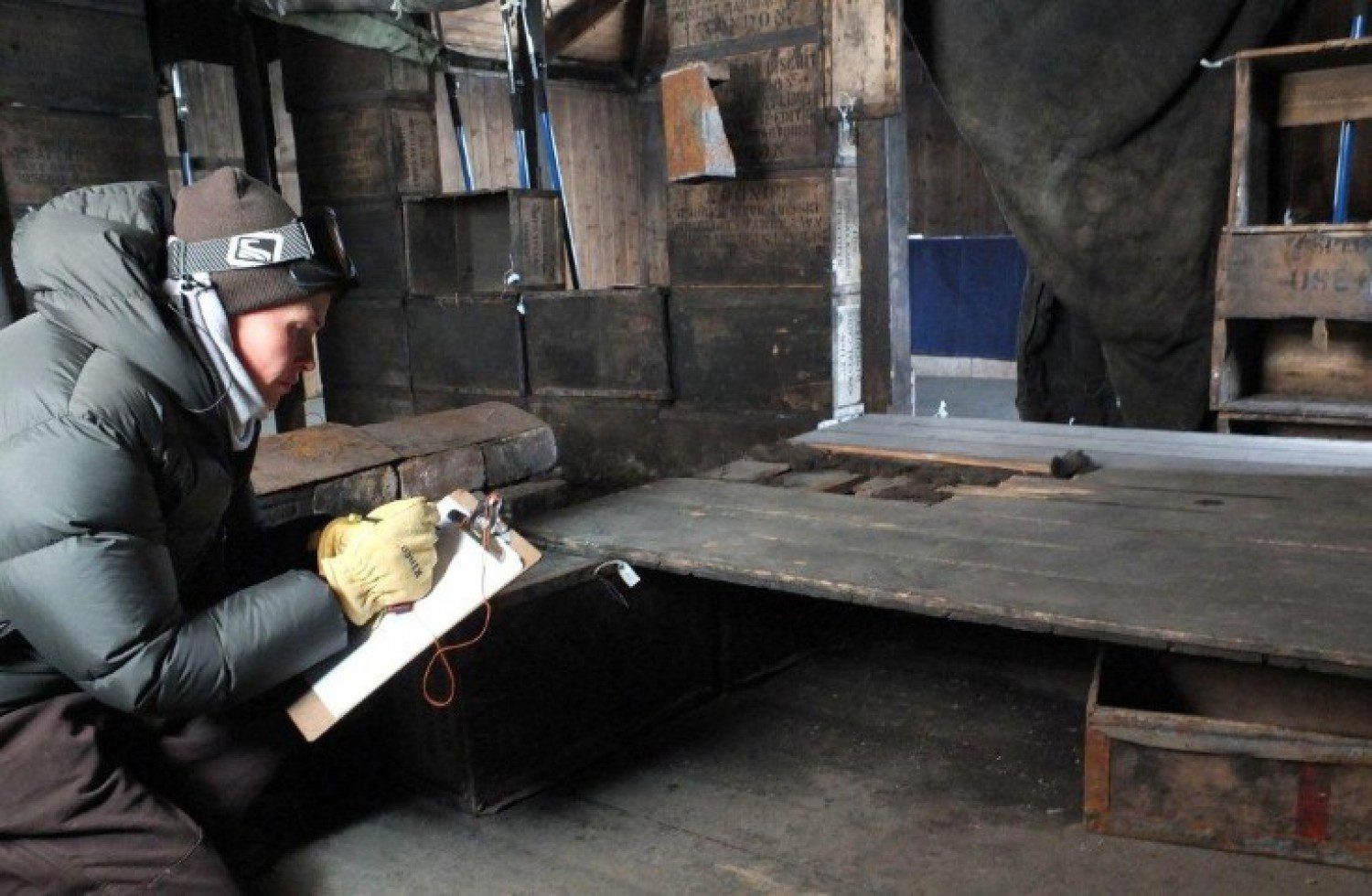
Meg documenting the supply box wallAntarctic Heritage Trust

Meg documenting the supply box wall

Every time we walk into the Hut we get the chance to imagine the many stories and desperate situations the men who passed through Discovery Hut experienced.  It’s incredibly exciting conserving the boxes that make up the internal wall in the Hut as we discover new and different details every day.
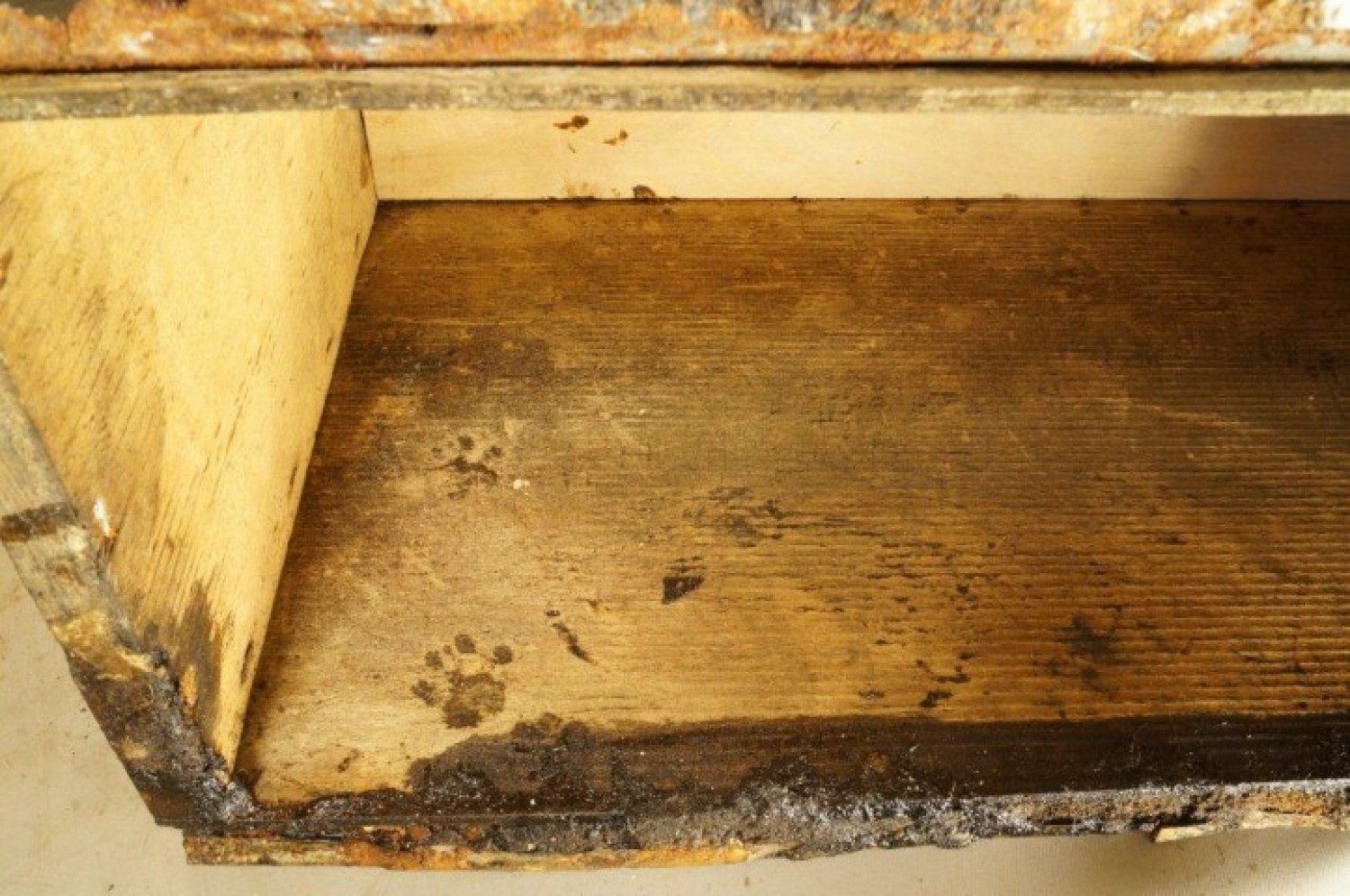
Box with paw printAntarctic Heritage Trust

Box with paw print

Dogs are also part of the amazing history of the Hut, with Scott taking 23 dogs for hauling sledges on his National Antarctic Expedition. In 1908, during Shackleton’s Expedition, three puppies ended up at Hut Point. It was decided to leave the puppies in the Hut for nearly a month while depots were laid for Shackleton’s push to the Pole. Dr Eric Marshal recorded that 24lbs of mutton was chopped up for the puppies as well as dog biscuits and snow left for their survival. The men returned to find the puppies had eaten all the mutton but not the biscuits.

Canterbury Museum

Samson, one of the dogs that went to the ice with Shackleton’s Ross Sea Party.
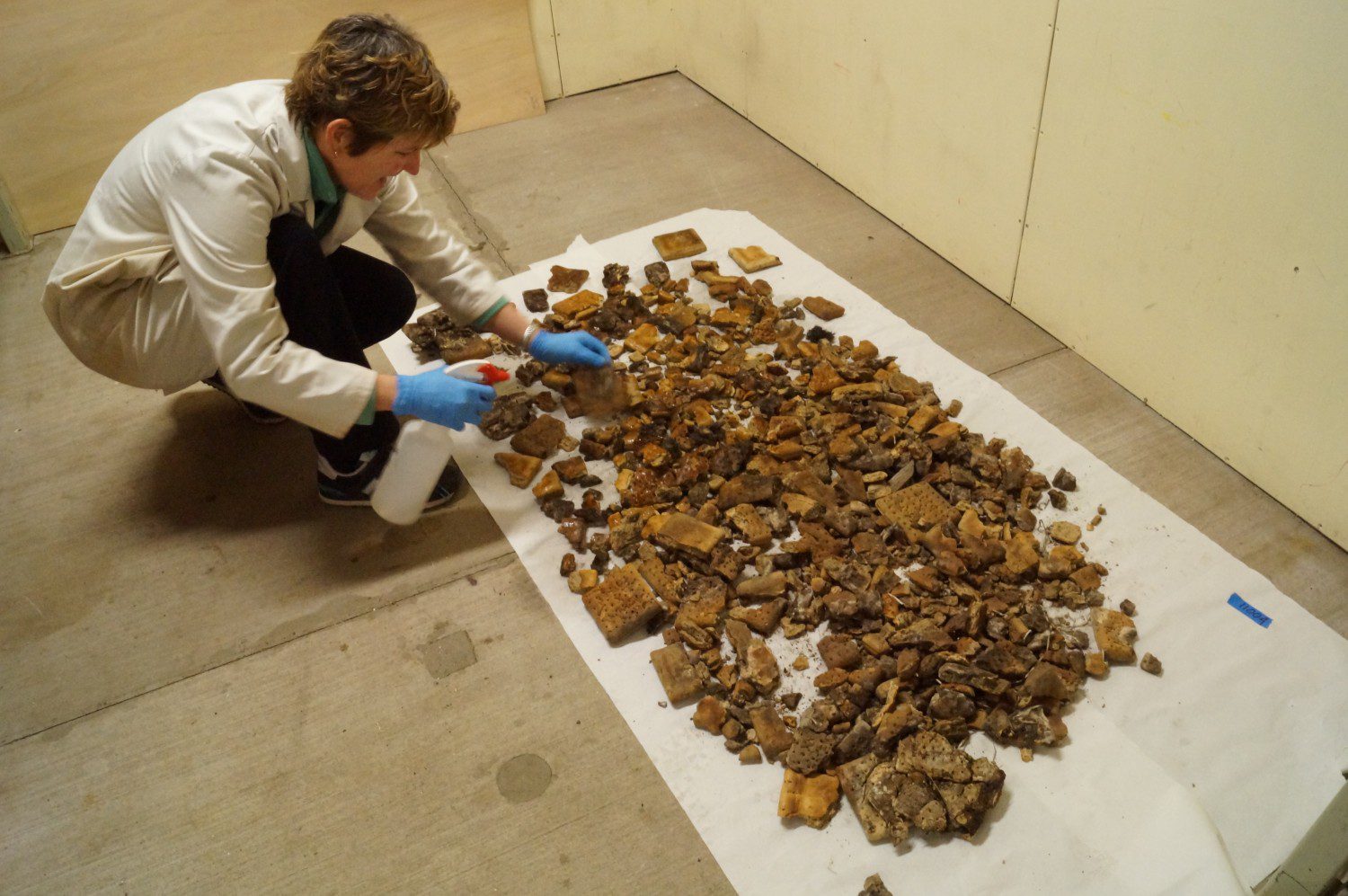
Sue with dog biscuitsAntarctic Heritage Trust

Sue with dog biscuits
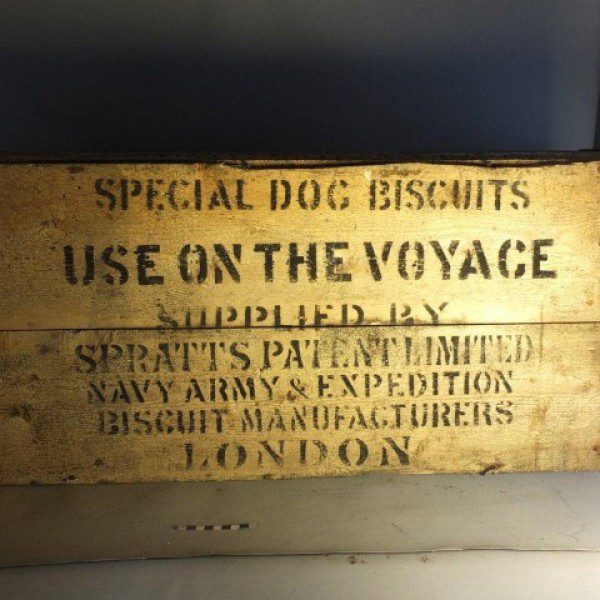
Antarctic Heritage Trust - dog biscuit box

https://nzaht.org/wp-content/uploads/2019/02/blog-256ce783a630465.73282600-600x600.jpg 600 600 Comms https://nzaht.org/wp-content/uploads/2019/03/logo-dark.png Comms2014-03-07 21:21:272019-05-01 07:08:05Dog Biscuits

Shackleton’s Car

February 3, 2014 - Antarctic Blog

By Sue Bassett

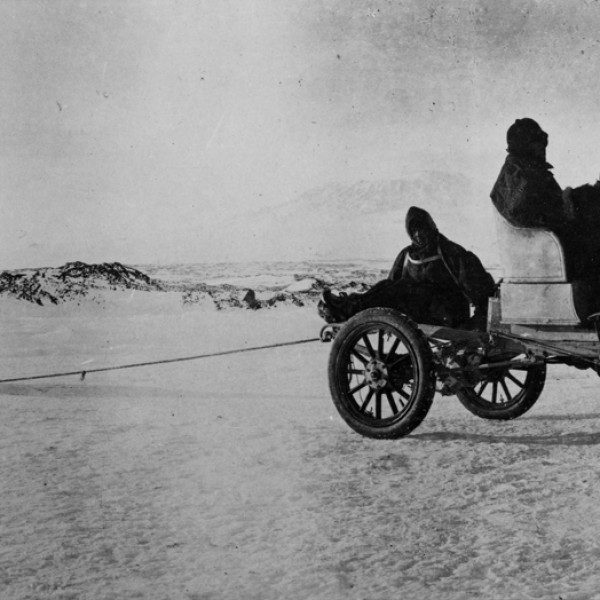
When Ernest Shackleton led the British Antarctic ‘Nimrod’ Expedition 1907–09 he hoped to reach the geographic South Pole. To achieve this, he took with him dogs, ponies, and a motor car donated by a major sponsor, William Beardmore, who had recently taken over the car company.

The car was a purpose-built 12/15hp New Arrol-Johnston, an open two-seater with a utility tray-back. It had a specially designed air-cooled, four-cylinder engine, used non-freezing oil, had a silencer that doubled as a foot-warmer, produced hot water by passing the exhaust pipe through a hopper that could be filled with snow, and could be fitted with a pair of ski runners on the front wheels.

However, it was also heavy with little traction, sinking to its axles in the snow, and its petrol engine performed poorly from the outset. It was garaged at Shackleton’s expedition hut at Cape Royds and was useful only on the sea ice for transporting light loads, and once fell into a crevasse.

While a couple of parts remain at Cape Royds today, the car left Antarctica with Shackleton and the skis are now held by the Canterbury Museum in Christchurch, where they have undergone conservation treatment by our conservators.

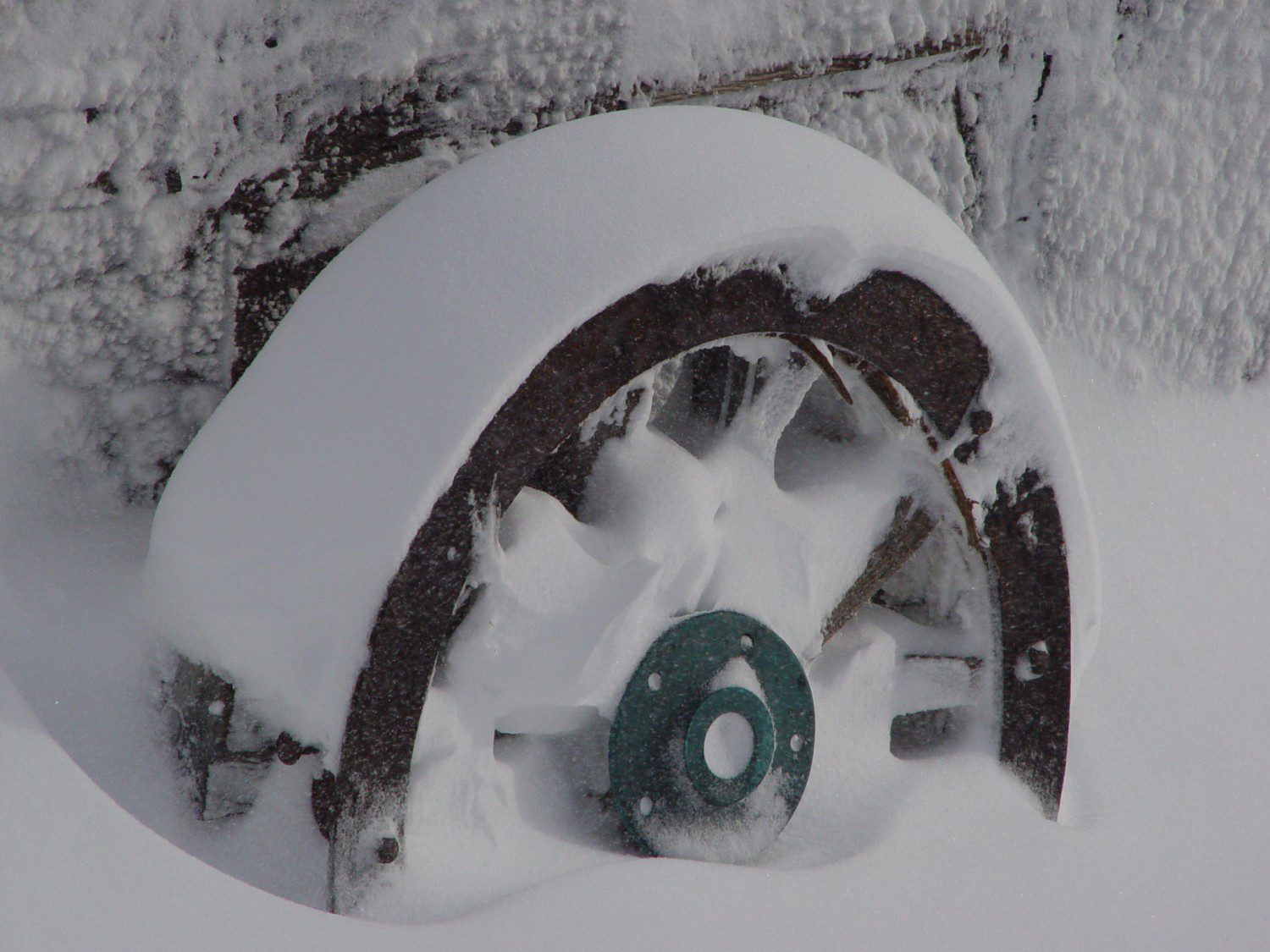
A wheel from Shackleton's car still sits outside the hut at Cape RoydsAntarctic Heritage Trust

A wheel from the car still sits outside the hut at Cape Royds

Alexander Turnbull library

Shackleton’s car in the garage at Cape Royds

Antarctic Heritage Trust - Shackleton's carCredit unknown

Antarctic Heritage Trust – Shackleton’s car

https://nzaht.org/wp-content/uploads/2014/02/car-356cf9d88a5f735.96149559-600x600.jpg 600 600 Comms https://nzaht.org/wp-content/uploads/2019/03/logo-dark.png Comms2014-02-03 21:29:482019-05-01 07:11:53Shackleton’s Car

Ross Sea Party Tent

June 12, 2013 - Antarctic Blog

By Sue Bassett

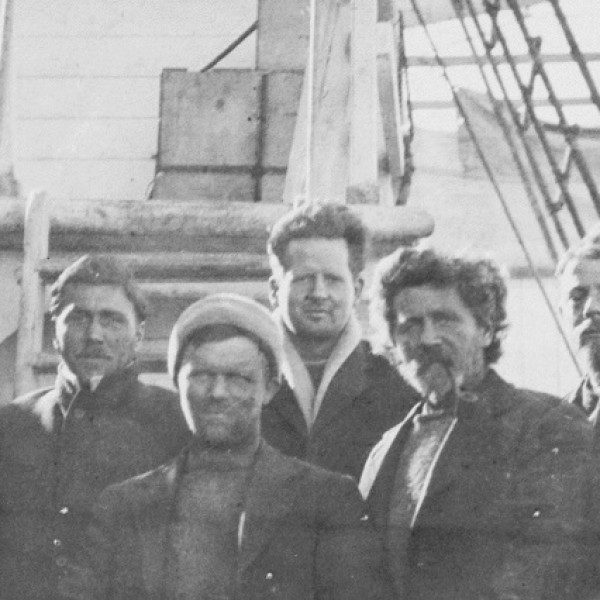
A century on, we continue to share some of the artefacts we’ve treated from Shackleton’s Ross Sea Party, who were stranded for two years at Cape Evans and charged with laying depots for the ‘Endurance’ party, which, unbeknownst to them, was never coming.

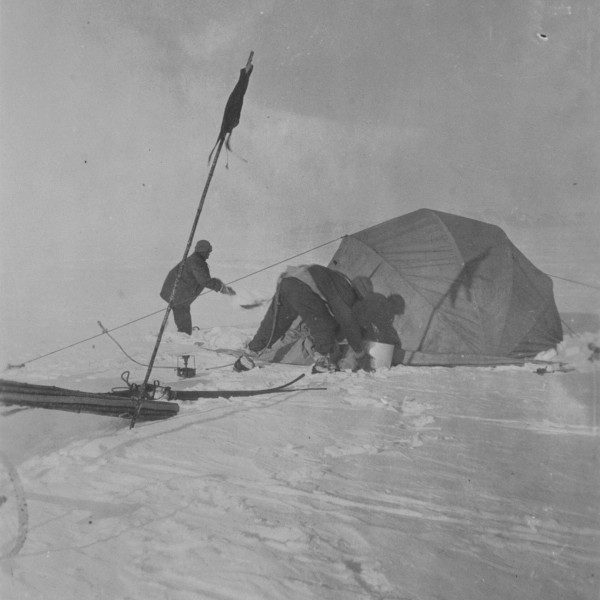
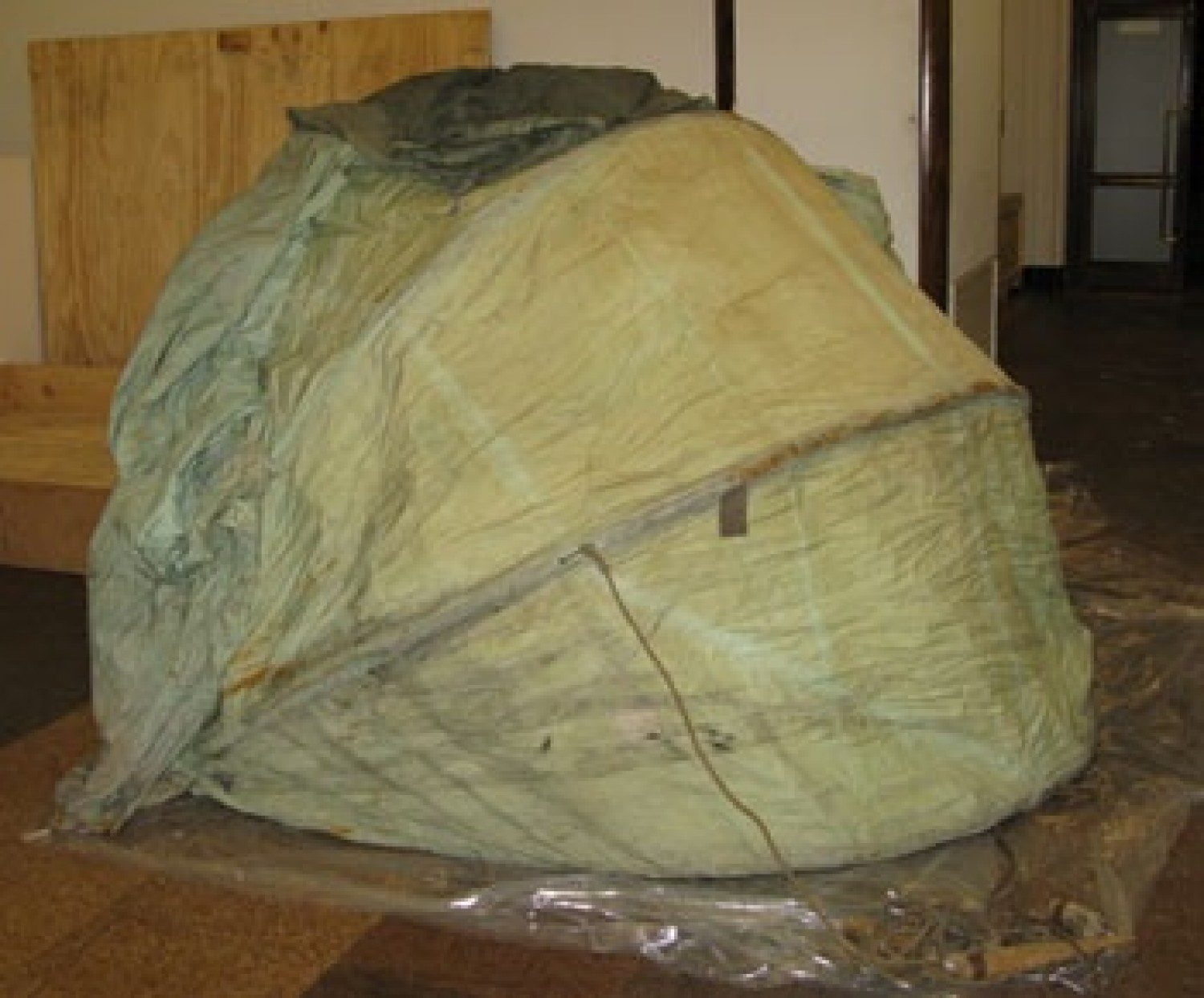
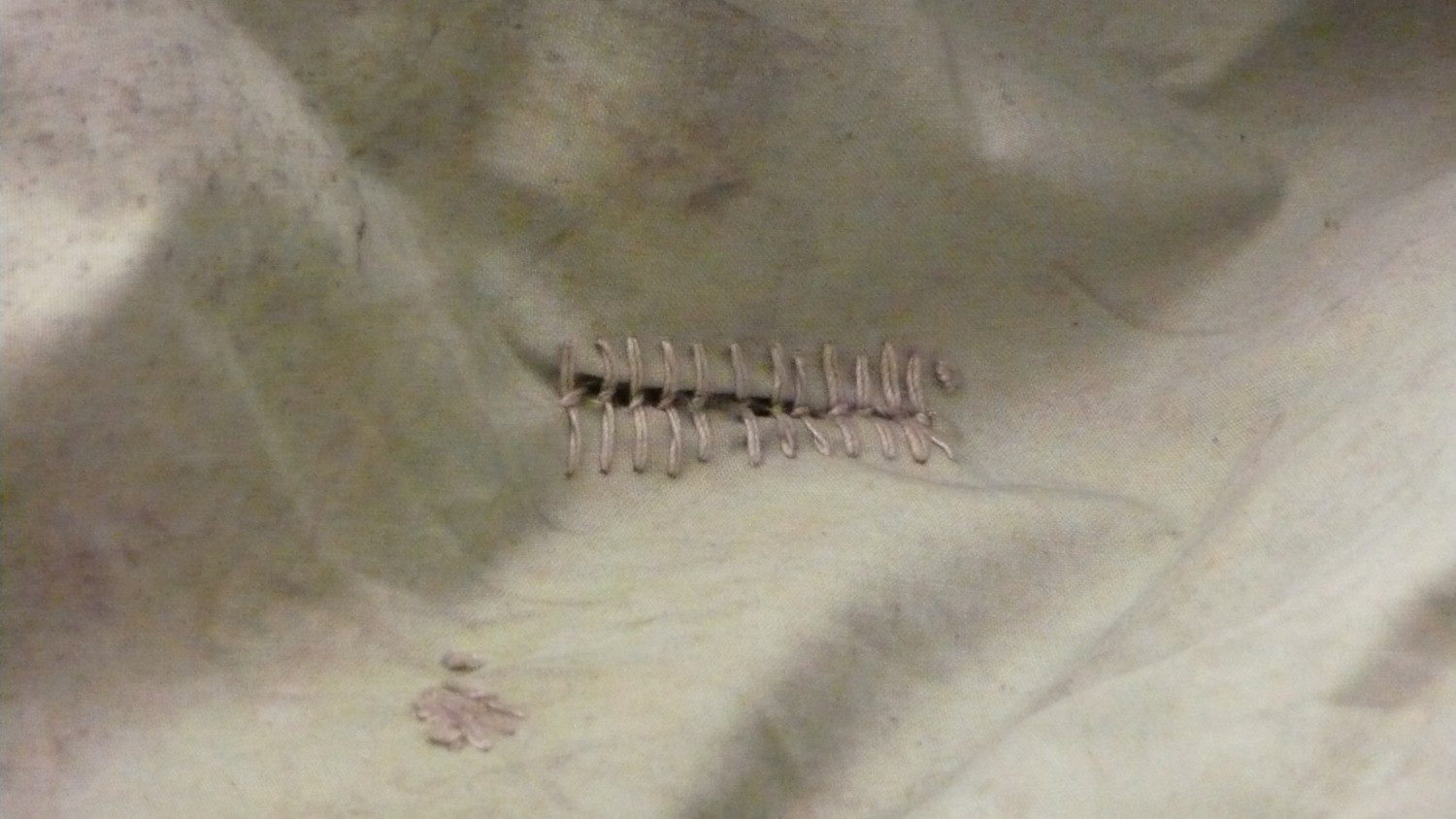
For their long depot-laying sledge trips across the ice, they used a canvas dome tent. It opens like a concertina and is supported by four arched iron poles sewn into the canvas. The circular entrance is protected by a fabric tunnel, tied on the inside to keep out wind and snow. The inner walls of the tent are black with soot from the primus stove, and small holes in the canvas have been patched and hand-stitched to prevent snow leaking in during the blizzards that kept them confined for days at a time. Several of the poles have been repaired with lengths of bamboo and twine.

Antarctic Heritage Trust - pitching campCanterbury Museum

Pitching camp

The men endured shocking conditions, illness, starvation and exhaustion. Not only did they suffer from painful frost bite and snow blindness but also acute scurvy caused by lack of vitamin C in their diet. One team member, Ernest Joyce, is quoted as saying: “Scurvy has got us, our legs are black and swollen, and if we bend them at night there is a chance they will not straighten out. So, to counteract that, we lash pieces of bamboo to the back of our knees to keep them straight”. They also tried to alleviate the pain by massaging the affected areas with methylated spirits. Ultimately, Reverend Spencer-Smith (expedition chaplain and photographer) died of scurvy and was buried in the ice, and later Mackintosh (commander) and Hayward (general assistant) were also lost whilst trying to cross thin sea ice in poor weather.

Miraculously, after Shackleton was able to rescue his entire team from ‘Endurance’, he sailed aboard ‘Aurora’ in January 1917 on the voyage that rescued the party’s seven survivors.

The partially opened dome tentAntarctic Heritage Trust

The partially opened dome tent

A hand-stitched repair to the canvas tentAntarctic Heritage Trust

A hand-stitched repair to the canvas tent

https://nzaht.org/wp-content/uploads/2019/02/pitching-camp56cf5a8d25c7e9.28750438-600x600.jpg 600 600 Comms https://nzaht.org/wp-content/uploads/2019/03/logo-dark.png Comms2013-06-12 21:38:142024-04-08 14:25:18Ross Sea Party Tent

Ross Sea Party Improvised Gear

May 27, 2013 - Antarctic Blog

By Sue Bassett

The artefacts conserved by the Trust that remain in Scott’s Cape Evans hut tell something of the harrowing ordeal endured by Shackleton’s Ross Sea Party in 1914-17.

Continuing their futile mission to lay depots to aid Shackleton’s planned crossing of Antarctica, the ill-equipped Ross Sea Party was forced to improvise clothing and equipment in order to survive.

Antarctic Heritage Trust - Ross sea partyCanterbury Museum

Antarctic Heritage Trust – Ross sea party

Stranded at Cape Evans, they also used Captain Scott’s old Discovery Hut at Hut Point as a staging post for their depot-laying sledge trips. After one such trip, a group waited at Hut Point for over two months for the sea ice to harden so they could walk back to Cape Evans and join the rest of the team. During these months the men recovered from ill health, improvised games and made tools out of salvaged materials.

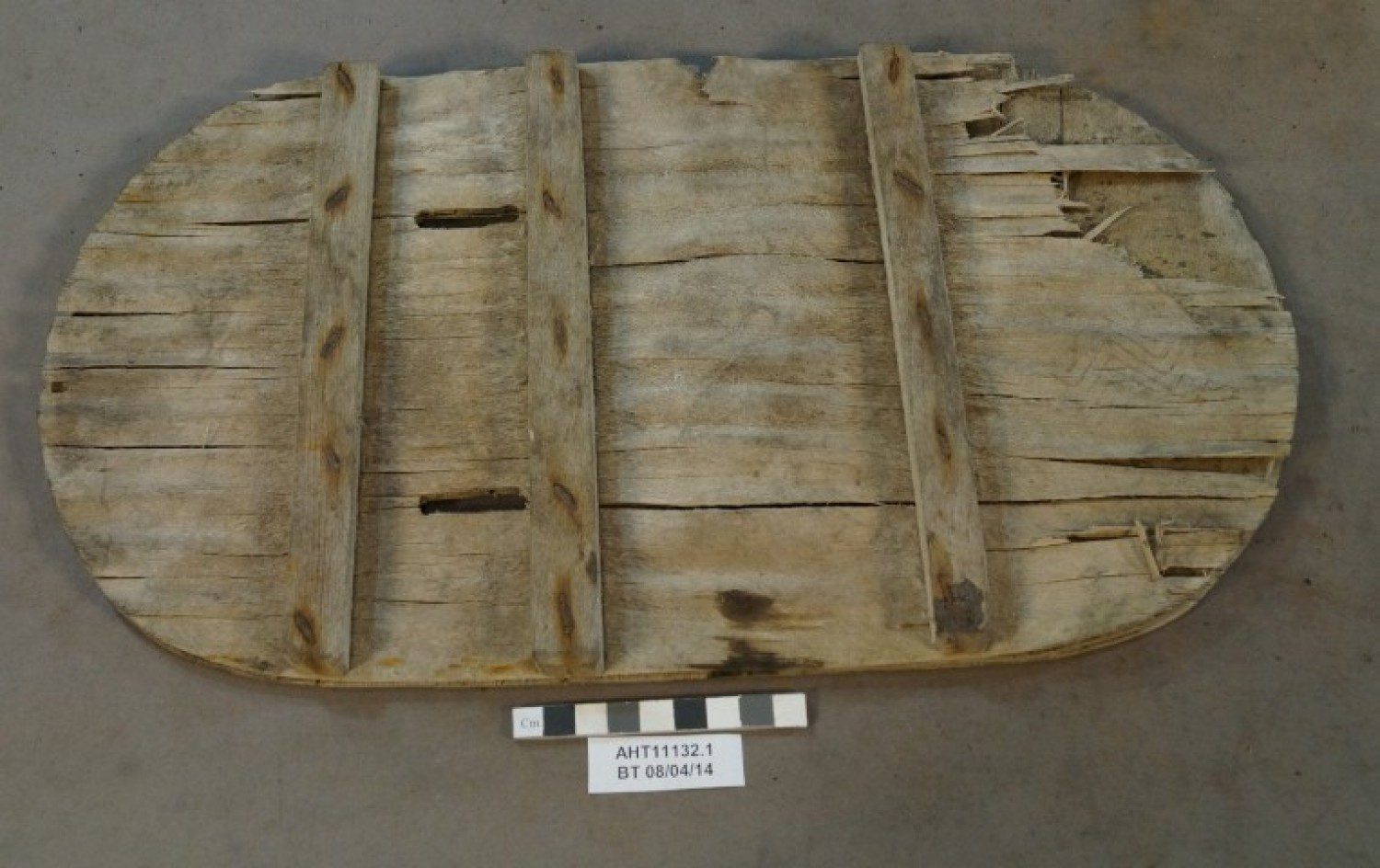
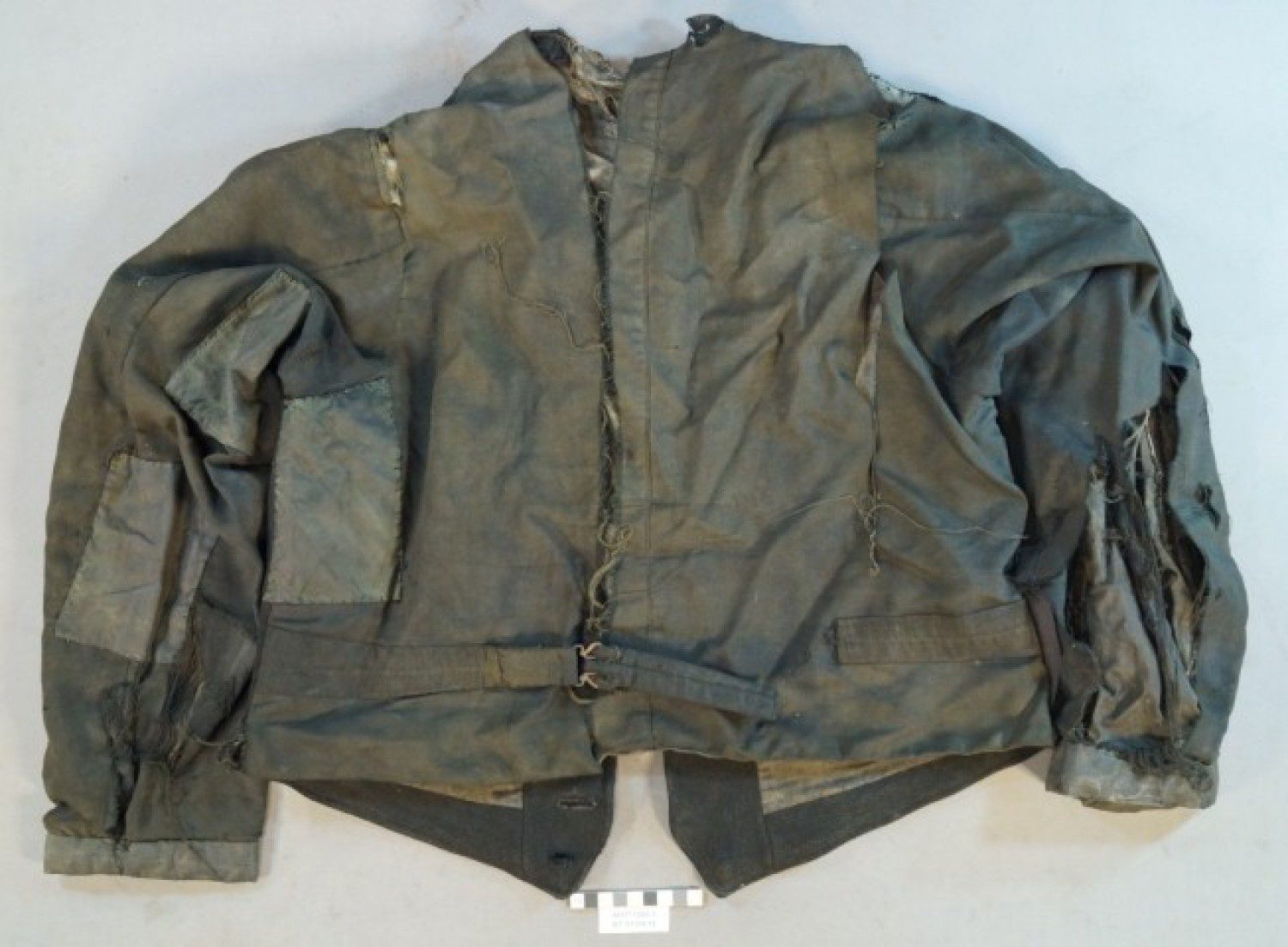
Lamps were made out of old food tins and fuelled with seal blubber, offering ‘a flickering glimmer of light in the dark interior’. Snowshoes were made out of old plywood supply boxes, such as this one that once held Spratt’s dog biscuits, and clothing such as this jacket was repaired with materials and fabrics scavenged from inside the hut – all testaments to remarkable resourcefulness and determination through extreme hardship.

An improvised snowshoe made from plywood boxes by Shackleton's Ross Sea Party membersAntarctic Heritage Trust

An improvised snowshoe made from plywood boxes by Shackleton’s Ross Sea Party members

A makeshift jacket made by the Ross Sea Party membersAntarctic Heritage Trust

A makeshift jacket made by the Ross Sea Party members

https://nzaht.org/wp-content/uploads/2019/02/ross-sea-party-256cf6e983facd2.88916391-600x600.jpg 600 600 Comms https://nzaht.org/wp-content/uploads/2019/03/logo-dark.png Comms2013-05-27 21:43:532019-05-01 07:16:39Ross Sea Party Improvised Gear

Pony Snowshoes

May 22, 2013 - Antarctic Blog
Antarctic Heritage Trust - pony snowshoesScott Polar Research Institute

Pony snowshoes

By Sue Bassett

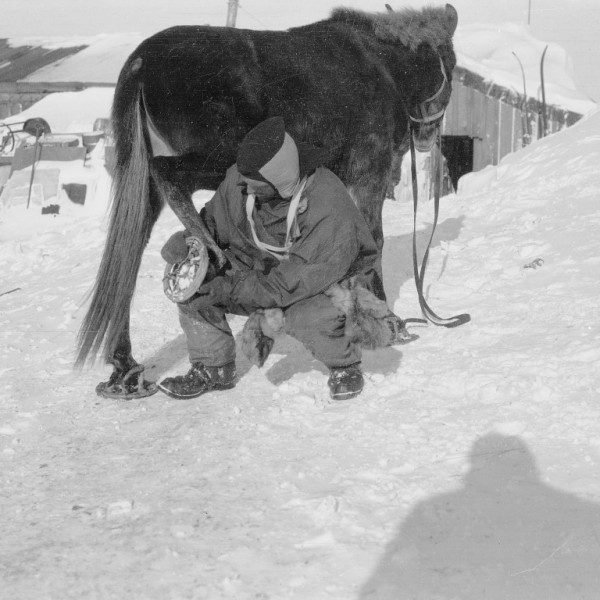
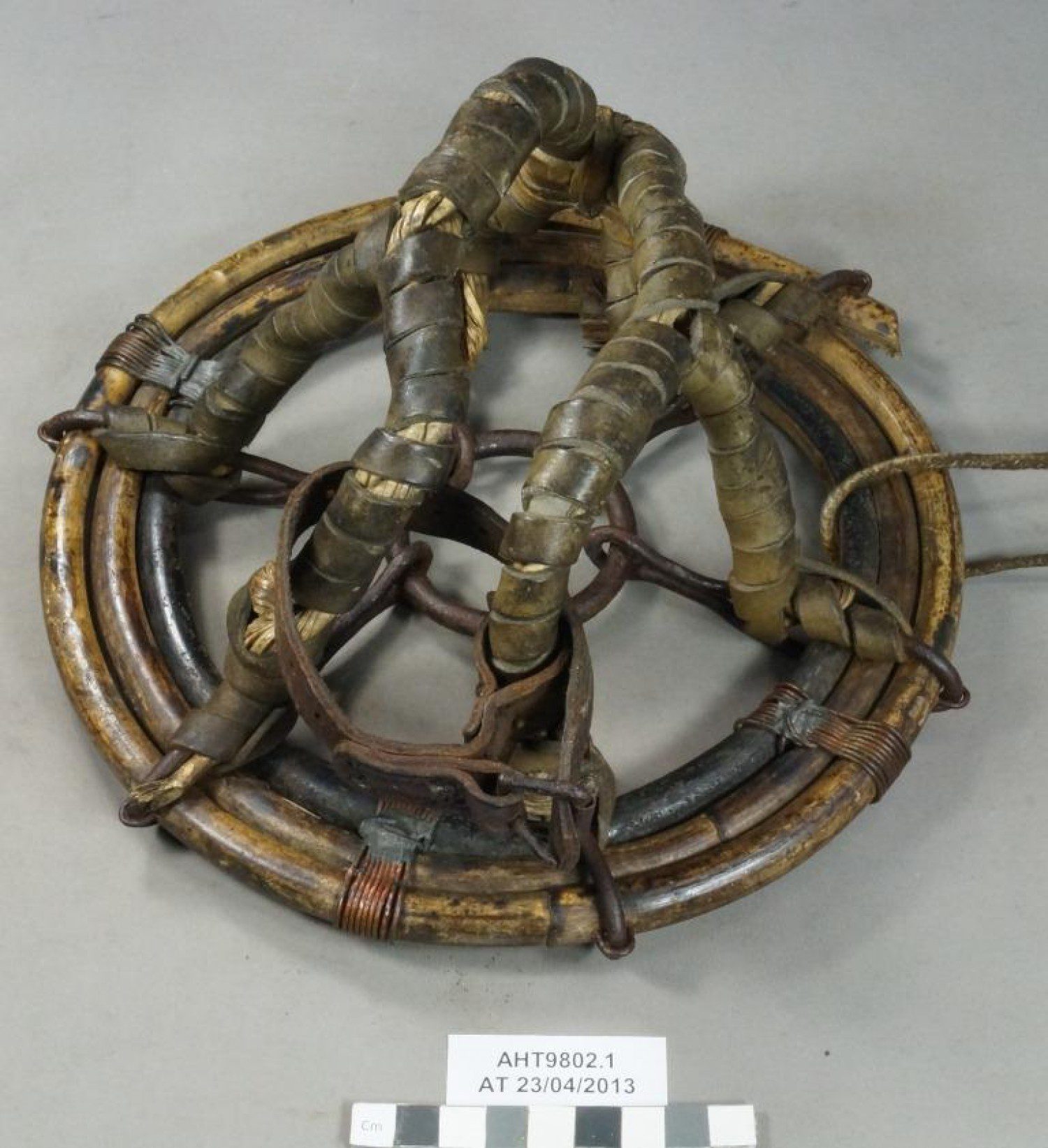
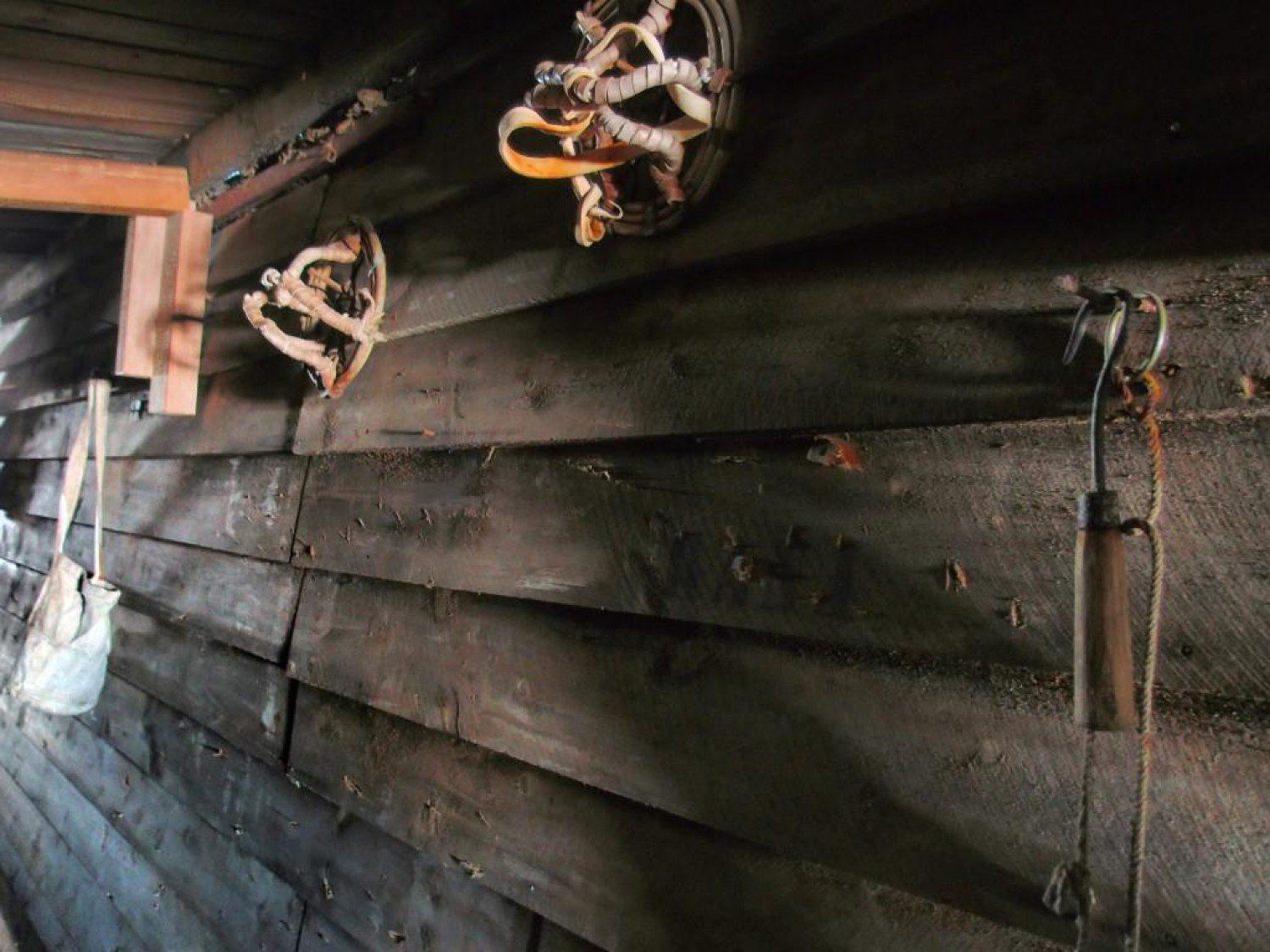
When it comes to working with historical material that is only 100 years old, most things we recognise at least by function, if not from our own lives and times, then perhaps from those of our grandparents. When reading Captain RF Scott’s journals from his last expedition (1910 until his untimely death in 1912), he makes a number of references to the Norwegian snowshoes they took along for their ponies. The ponies hauled the heavy loads as he and his team erected their hut at Cape Evans and laid food and fuel depots southwards towards the Pole. Click here to see a photo of Wilson, Bowers and Cherry-Garrard with their ponies, 1911. When they first trialled a pair of the snowshoes, on a pony they named Weary Willy, Scott wrote: ‘The effect was magical. He strolled around as though walking on hard ground in places where he floundered woefully without them’. Scott offers nothing by way of a description but records that many a discussion was had over the snowshoes’ efficacy and design. Not being a person with much horse or snow experience, I imagined these snowshoes to be quite basic and to look something like a plate or a tennis racquet. My first glimpse of one was during my visit to Scott’s hut where a couple hang on the wall of the stables and others fill some nearby boxes. (A quick search of our project database reveals there are 44 pony snowshoes at the Cape Evans hut.)

Antarctic Heritage Trust - Pony snowshoesAntarctic Heritage Trust

Pony snowshoes


Antarctic Heritage Trust - pony snowshoesAntarctic Heritage Trust

Pony snowshoes

https://nzaht.org/wp-content/uploads/2019/02/pony-snowshoes56cb968e800a26.37381480-600x600.jpg 600 600 Comms https://nzaht.org/wp-content/uploads/2019/03/logo-dark.png Comms2013-05-22 21:48:072019-05-01 07:20:25Pony Snowshoes

Shackleton’s 111-year-old Beer Barrel

January 11, 2019 - Famous Discoveries, Media Releases, News Story, Shackleton's Hut
Read more
https://nzaht.org/wp-content/uploads/2019/03/shackletons-hut-at-c5c366cb31a61e4.69025838-600x600.jpg 600 600 Comms https://nzaht.org/wp-content/uploads/2019/03/logo-dark.png Comms2019-01-11 00:08:092025-04-04 14:58:45Shackleton’s 111-year-old Beer Barrel

Cape Evans Stove

January 12, 2009 - Antarctic Blog

By Sue Bassett

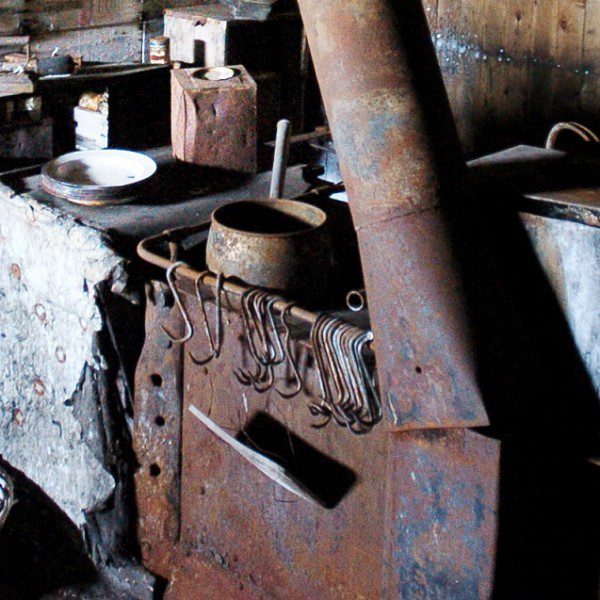
While the Trust’s on-ice conservators move the artefacts from the historic expedition huts to the laboratory at New Zealand’s Scott Base in Antarctica for thawing, documentation and treatment, there are also immovable items that require in situ treatment in the huts.

One such case was that of the cast-iron galley stove at Captain RF Scott’s hut from the British Antarctic ‘Terra Nova’ Expedition 1910–13 at Cape Evans. For the Trust’s metals conservators, it didn’t seem too daunting – mechanically remove corrosion, chemically convert corrosion, apply protective coating to surfaces. Straightforward, right? Well, not quite – this is Antarctica, after all.

Antarctic Heritage Trust - Cape Evans stoveAntarctic Heritage Trust

Antarctic Heritage Trust – Cape Evans stove

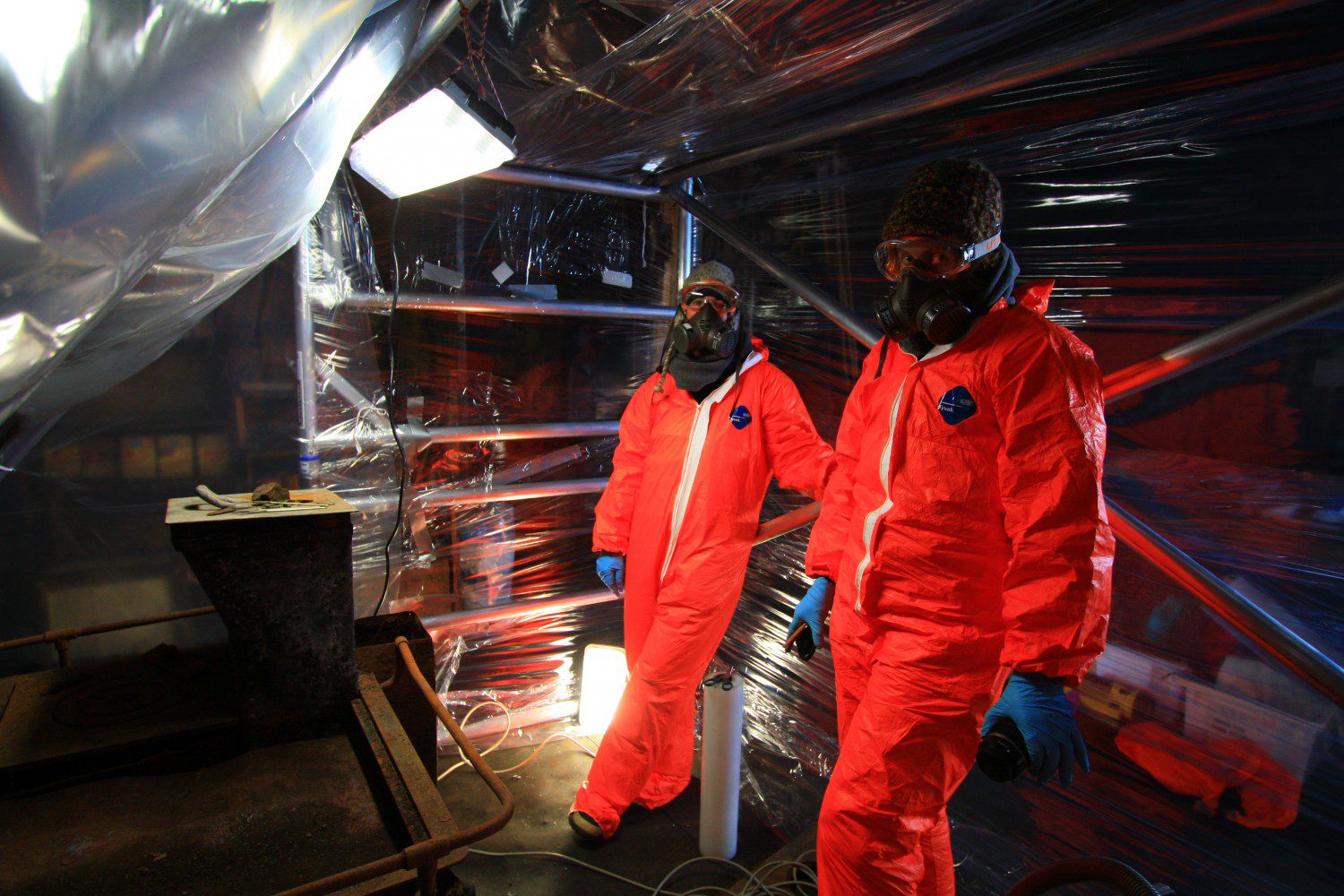
First problem – removing the corrosion was going to create a lot of ‘rust dust’. So a tent of scaffolding and clingwrap film was erected to contain it, with doors of polyethylene sheeting to enable repeated access.

Conservators work with Cape Evans HutAntarctic Heritage Trust

Some large objects, such as the galley stove, have to be treated in situ. Here the conservators work within an enclosure which protects the rest of the hut from corrosion dust, and wear PPE (personal protective equipment) to protect themselves from dust and solvent work.

Second problem – the chemical reactions required to convert and stabilise the corrosion failed to work in the sub-zero temperatures. At first it was thought that deposits of fatty seal blubber on the metal surfaces may be interfering with the reaction, but no amount of scrubbing and degreasing achieved a successful result. And tests back at the lab indicated that it was indeed a temperature issue, combined with extreme dryness that caused rapid evaporation of the solvent in the solution, leaving a deposit of powdery solute on the metal surfaces.

The solution? Heat the metal using hot air from a glycol heater, after encasing the entire stove in blankets to minimise heat loss. And, despite some discomfort for the conservator working under the blankets with blowing 60°C air, it worked a treat and the results were worth the pain.

https://nzaht.org/wp-content/uploads/2019/02/stove56cf71777a0b18.52277840-600x600.jpg 600 600 Comms https://nzaht.org/wp-content/uploads/2019/03/logo-dark.png Comms2009-01-12 21:58:042019-05-01 07:36:11Cape Evans Stove
Page 39 of 39«‹373839

Latest Inspiring Explorers Updates

  • Connections Create Life-changing Experience in South GeorgiaDecember 14, 2023 - 1:43 pm
  • South Georgia Expedition OutreachMay 30, 2024 - 9:48 am
  • A group of young people standing around a memorial statue of an explorer.Icy Fun and Learning at SummitDecember 14, 2023 - 1:43 pm
  • ‘Polheim’ World Premiere AnnouncedJanuary 30, 2024 - 11:21 am
  • Encouraging the Next Generation of Antarctic ConservatorsDecember 14, 2023 - 1:43 pm

Facebook

Stay in touch
  • Facebook
  • Twitter
  • Youtube
  • Vimeo
  • Instagram
  • LinkedIn
About AHT Our People Latest News Contact Us Image Archive Shop
QUICK LINKS
About AHT Our People Latest News Contact Us Shop Conserve Share Encourage Sustain
Conserve Share Encourage Sustain

Make a donation

Donate

Become a member

Join

Antarctic Heritage Trust

Antarctic Heritage Trust
7 Ron Guthrey Road, Christchurch 8053, New Zealand
Private Bag 4745, Christchurch 8140, New Zealand

Antarctic Heritage Trust

Antarctic Heritage Trust
7 Ron Guthrey Road, Christchurch 8053, New Zealand
Private Bag 4745, Christchurch 8140, New Zealand

© Copyright 2024, Antarctic Heritage Trust – Registered Charity: CC24071
Terms and Conditions – Privacy Policy

© Copyright 2024, Antarctic Heritage Trust
Registered Charity: CC24071
Terms and Conditions – Privacy Policy

Scroll to top